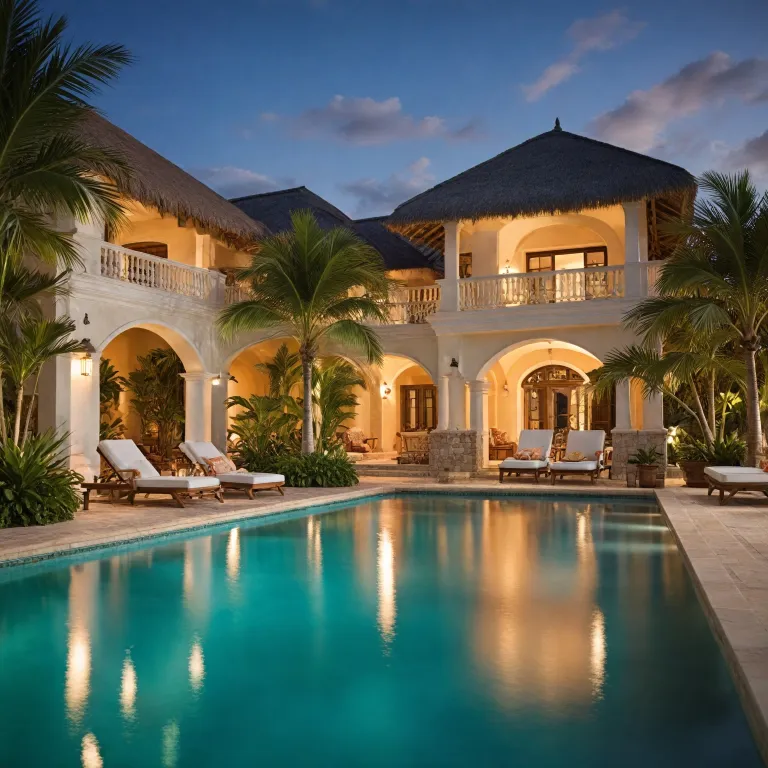
The meaning of Punta Cana and its link to luxury travel
Understanding “punta cana what does it mean” adds depth to any luxury stay. The name Punta Cana translates to “tips of white palms” in Spanish, and this meaning reflects the white cane like tones of the cane palms that once dominated the coastline. When travelers ask what does Punta Cana mean, they are really asking about the soul of a region shaped by palm trees, sea, and visionary development.
The area was once known as Yauya or Punta Borrachos, a remote corner of the eastern Dominican Republic. When entrepreneur Frank Rainieri and attorney Theodore Kheel acquired land in this region, they chose the name Punta Cana to honor the cana palm and the natural beauty of the coastline. Their decision gave the town a new identity, linking the local landscape, the wider Caribbean Sea, and future international tourism.
For visitors booking premium hotels, understanding what does Punta Cana mean helps frame every choice. The expression meaning Punta Cana evokes an image of a punta, or point, lined with palms and washed by the Caribbean. When you read “punta cana what does it mean” on a travel site, it should connect the dominican landscape, the cana village roots, and the modern inclusive resorts that now line the beaches.
Today, the Punta Cana area is part of La Altagracia Province in the Dominican Republic, and it has grown into a major hub for international visitors. The region’s name still reflects the natural environment, from coral reefs to palm trees and white cane like sands. For luxury travelers, the meaning Punta Cana carries is both geographical and cultural, blending local heritage with world class hospitality.
From remote punta to global gateway for premium tourism
To fully answer “punta cana what does it mean” for modern travelers, you need the story of its transformation. In the late twentieth century, this punta was an isolated area with dense palms, limited roads, and only a few local communities. The dominican government and private partners saw that the region’s natural beauty and long beaches could support a new model of Caribbean tourism.
Frank Rainieri and Theodore Kheel led the development of the Punta Cana area with a clear vision. They invested in infrastructure, attracted international partners such as Paris Mediterranean Club and Barceló, and positioned the region within the broader dominican republic tourism strategy. Their work turned a quiet cana punta coastline into a global reference for inclusive resorts and premium beachfront stays.
A decisive step in this evolution was the creation of Punta Cana International Airport, often called simply the international airport by travelers. This cana international hub became the first privately owned international airport in the Western Hemisphere, and today it receives a large percentage of flights to the Dominican Republic. For visitors, the airport meaning is practical and symbolic, turning the once remote punta into an accessible luxury destination.
When guests ask what does Punta Cana mean in a travel planning context, it now includes seamless access, refined resorts, and curated experiences. The airport connects the town to major international cities, while the surrounding area offers coral reefs, palm trees, and white sand beaches. In this sense, does Punta Cana only refer to palms, or also to a region that redefined caribbean tourism through innovation and investment.
Natural beauty, palm landscapes, and the essence of place
The phrase “punta cana what does it mean” cannot be separated from the landscape that inspired it. The original cana palm and cane palms created a distinctive silhouette along the punta, with palm trees leaning over turquoise waters. These natural elements still shape the dominican region’s identity, even as luxury hotels and inclusive resorts have multiplied along the coast.
For many visitors, the meaning Punta Cana carries is first felt through its beaches. Long stretches of fine sand, often compared to white cane in color, frame the Caribbean Sea and invite slow walks at sunrise. Offshore, coral reefs protect the shoreline, create calm swimming areas, and support marine life that appeals to travelers seeking both relaxation and natural beauty.
When you consider what does Punta Cana mean for a premium stay, think beyond the hotel room. The area offers a blend of natural and cultural experiences, from snorkeling above coral reefs to exploring local markets in the nearby town. The wider region of La Altagracia in the Dominican Republic also provides excursions into rural landscapes where the cana palm still grows.
Luxury travelers often choose this caribbean area because it balances privacy with access to authentic dominican experiences. Guided tours can introduce you to cana village communities, traditional crafts, and local gastronomy shaped by the sea. In this way, does Punta Cana become more than a name ; it becomes a living expression of how a coastal region can welcome international visitors while preserving its natural character.
Cultural context, local life, and what Punta Cana means to residents
Understanding “punta cana what does it mean” also involves listening to the people who live and work there. For local residents, the name Punta Cana reflects both pride in the region’s natural beauty and awareness of the changes brought by tourism. The town has grown rapidly, with a population now well above one hundred thousand inhabitants and a strong annual growth rate.
In daily life, the dominican culture remains visible in music, language, and community traditions. Spanish is the official language, and even in luxury hotels, learning basic phrases can enrich interactions with staff and local guides. When visitors ask what does Punta Cana mean to you, many residents mention employment opportunities, improved infrastructure, and the chance to share their heritage with international guests.
The area’s development has also raised questions about sustainability and cultural balance. As inclusive resorts expand along the beaches, there is a growing focus on protecting coral reefs, managing waste, and supporting local businesses in the town. For travelers, the meaning Punta Cana carries should include respect for the environment and for the communities that sustain tourism.
Health and safety are part of this broader context, especially for premium travelers planning longer stays. Tap water is not potable, so bottled water is recommended, and visitors are advised to use insect repellent due to risks such as dengue fever. When you consider “punta cana what does it mean” for your trip, include these practical aspects alongside the romantic image of palms, sea, and sun.
Luxury and premium hotel choices in the Punta Cana region
For travelers researching “punta cana what does it mean” on a luxury hotel booking website, the answer often appears in the range of stays available. The Punta Cana area offers a spectrum of premium and inclusive resorts, many positioned directly on the beaches that gave the region its name. These properties are designed to frame the natural beauty of the Caribbean Sea while providing high service standards.
When evaluating options, consider how each hotel connects you to the meaning Punta Cana represents. Some resorts emphasize wellness, with spa treatments that use local ingredients and views of palm trees and cane palms. Others focus on gastronomy, pairing dominican flavors with international cuisine and offering dining terraces that overlook coral reefs and the open caribbean.
Location within the region also matters for travelers who want to explore beyond the resort. Properties closer to the town and cana village areas make it easier to access cultural experiences, markets, and local restaurants. Hotels nearer to Punta Cana International Airport may appeal to visitors seeking quick transfers, especially after long international flights.
When you read “what does Punta Cana mean” in hotel descriptions, look for details about environmental practices and community engagement. Leading properties in the dominican republic now highlight reef friendly activities, support for local staff training, and partnerships with regional suppliers. In this way, does Punta Cana become a benchmark for how luxury tourism can respect both the area’s ecology and its cultural roots.
Planning your stay: practical meaning of Punta Cana for modern travelers
For many guests, “punta cana what does it mean” becomes a practical question during trip planning. The presence of Punta Cana International Airport simplifies arrivals, with a significant share of flights to the Dominican Republic landing in this hub. This international airport reduces transfer times to most inclusive resorts, allowing visitors to reach the beaches and palm lined punta within a short drive.
Climate is another factor that shapes what does Punta Cana mean for your itinerary. The region has a tropical wet and dry climate, with average temperatures around 26 °C, which suits year round beach stays. Light clothing, sun protection, and awareness of occasional rain showers will help you enjoy the area’s natural beauty without discomfort.
Travelers should also consider health, safety, and local regulations when interpreting the meaning Punta Cana holds as a destination. Prostitution is legal and visible in some tourist zones, so guests are advised to exercise caution and respect local laws. Standard travel precautions, such as safeguarding valuables and using licensed transport from the airport, remain important in this caribbean region.
Finally, reflect on how your choices contribute to the long term future of the Punta Cana area. Selecting hotels that support coral reef conservation, fair employment, and responsible water use helps protect the environment that inspired the name. When you understand “cana mean tips of white palms” and how does Punta Cana embody that image today, you can align your stay with the values that first shaped this remarkable dominican coastline.
Key statistics about Punta Cana and its tourism landscape
- The population of Punta Cana is approximately 138 919 inhabitants, reflecting rapid growth linked to tourism and service industries.
- The annual population growth rate in the Punta Cana region is about 8,17 %, indicating ongoing expansion of the local workforce and housing areas.
- Punta Cana International Airport receives around 64 % of all flights arriving in the Dominican Republic, underlining its role as the primary international gateway.
Essential questions about Punta Cana and their answers
What does “Punta Cana” mean ?
“Punta Cana” translates to “tips of white palms” in Spanish, referring to the region’s white palm trees. This meaning connects directly to the cana palm landscapes that once dominated the punta and still frame many beaches today. For travelers, understanding this meaning adds context to the palm lined coastline, the town’s identity, and the way luxury resorts integrate natural scenery into their design.
When was Punta Cana developed as a tourist destination ?
Development of the Punta Cana area as a tourist destination began in the late twentieth century, when investors recognized the potential of its beaches and natural beauty. Over the following decades, infrastructure such as hotels, roads, and Punta Cana International Airport transformed the region into a major hub. This timeline helps explain why the town now offers a mature mix of inclusive resorts, local services, and cultural experiences for international visitors.
Is Punta Cana safe for tourists ?
Punta Cana is generally considered safe for tourists, especially within established resorts and well frequented areas. Travelers are still advised to follow standard precautions, such as using hotel safes, choosing licensed taxis, and staying aware of their surroundings in busy nightlife zones. By combining these habits with respect for local customs and regulations, visitors can enjoy the region’s beaches, coral reefs, and cultural attractions with confidence.