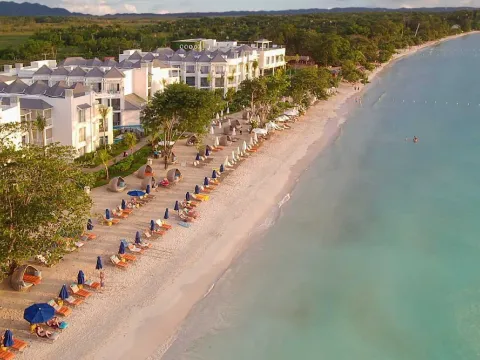
Planning hotels in the Greater Antilles? Compare Dominican Republic, Jamaica, Puerto Rico and Grand Cayman stays, from adults-only resorts to independent city hotels, and learn what to check before you book.
Why “hotel Greater Antilles” is a smart search for discerning travelers
Typing “hotel Greater Antilles” or “hotels in the Greater Antilles” instead of jumping straight to a single beach resort is already a good instinct. It means you are comparing a whole Caribbean arc – from the Dominican Republic to Jamaica, Puerto Rico and Grand Cayman – rather than locking yourself into the first inclusive package in Punta Cana. The reward is choice, nuance and very different atmospheres within a relatively compact region, whether you end up in a boutique city hotel or a large beachfront resort spa.
- Dominican Republic: colonial Santo Domingo, resort zones in Punta Cana and Puerto Plata, and low-rise beach towns like Las Terrenas.
- Jamaica: Negril’s long sands, the coves around Ocho Rios and the hotel strips of Montego Bay and Runaway Bay.
- Puerto Rico: the urban energy of San Juan balanced by quieter coastal enclaves such as Condado and Isla Verde.
- Grand Cayman: polished, international-style luxury along beaches like Seven Mile Beach.
Each destination hosts hundreds of hotels, from discreet adults-only retreats to large inclusive resort spa complexes like Bahia Principe, Iberostar or Sandals. For a first trip, the Dominican Republic usually suits travelers who want a balance of culture and beach, with easy access from North America and Europe. Jamaica works better if music, nightlife and a more relaxed, lived-in island feel matter as much as the sea. Puerto Rico and Grand Cayman tend to attract those who prefer a more urban or polished Caribbean, with strong infrastructure and a familiar rhythm. The key is to decide what you want your nights to feel like – quiet, festive, or plugged into a real city – before you choose the hotel or even the island.
Dominican Republic: from Santo Domingo nights to Punta Cana sands
On a map, the Dominican Republic looks like a simple beach destination. On the ground, it is more layered. Santo Domingo, especially the historic grid around Calle El Conde, Parque Colón and the Malecón, offers a dense, walkable city where you can stay in a refined hotel and still step out to hear bachata in a corner bar. This is where “hotel Greater Antilles” searches become concrete: you can sleep in a restored colonial house, wake to church bells, then drive 30–40 minutes and be on a city beach or heading towards Boca Chica. Representative stays here range from small heritage properties to larger business-style hotels with rooftop pools.
- Examples in Santo Domingo: Hodelpa Nicolás de Ovando (often from around US$180–250 per night in high season), Billini Hotel (roughly US$200–280) and Crowne Plaza Santo Domingo (commonly US$160–220).
- Typical season: December to April is the driest, most popular window, with hotter, more humid weather and a higher chance of storms from June to November.
Punta Cana is the opposite experience. Here, long ribbons of sand and palm trees host large beach resort complexes, many of them inclusive, designed so you barely need to leave the property. If your priority is a seamless, low-effort stay – pool, beach, several restaurants, a resort spa and perhaps an adults-only wing – this is where the Dominican Republic excels. Transfer times from Punta Cana International Airport to most hotel zones are usually 20–40 minutes. Nights are about cocktails under soft lighting rather than wandering unknown streets. It suits couples and families who want predictability and a controlled environment.
- Sample Punta Cana resorts: Barceló Bávaro Palace (often US$260–380 per night in peak months), Secrets Royal Beach Punta Cana (adults-only, usually US$320–450) and Bahia Principe Luxury Ambar (frequently US$260–360).
- Best weather: generally late November to April for lower humidity and calmer seas, with prices peaking around Christmas and Easter.
For a more independent rhythm, look north. Puerto Plata combines Victorian-era architecture with access to quieter stretches of coast, while Las Terrenas on the Samaná peninsula feels almost like a small Mediterranean town transplanted to the Caribbean. Here, hotels are generally smaller, the beach is never far, and you can walk out to a café on a sandy lane rather than a shopping arcade. Typical transfers from Gregorio Luperón International Airport to central Puerto Plata take around 25 minutes, and to Las Terrenas about two hours by road. If you care about a sense of place as much as a perfect beach, these areas often beat Punta Cana.
- Puerto Plata and Samaná stays: Senator Puerto Plata Spa Resort (often US$170–260), BlueBay Villas Doradas (adults-only, roughly US$150–220) and Aligio Aparthotel & Spa in Las Terrenas (commonly US$120–190).
- Climate notes: temperatures are warm year-round, with slightly cooler evenings from December to March and more frequent showers in late summer.
Jamaica, Puerto Rico, Grand Cayman: how they compare to Dominican stays
Once you look beyond the Dominican Republic, the rest of the Greater Antilles offers a different palette. Jamaica is the most characterful neighbour, with hotels strung along Negril’s famous Seven Mile Beach, the coves near Ocho Rios and the busier strips of Montego Bay and Runaway Bay. Expect more reggae in the air, more street food smoke at night, and a slightly rougher, more spontaneous energy than in many Dominican beach enclaves. Transfer times from Montego Bay’s Sangster International Airport to Negril average 75–90 minutes, while Ocho Rios is usually about two hours away. If you want your beach days to come with a strong sense of local culture, Jamaica is compelling.
- Illustrative Jamaica hotels: Riu Palace Tropical Bay in Negril (often US$260–340 per night in winter), Sandals Ochi in Ocho Rios (typically US$320–420) and Holiday Inn Resort Montego Bay (frequently US$180–260).
- When to go: December to April is the classic dry season, with warmer, wetter conditions and potential storms from June to early November.
Puerto Rico, anchored by San Juan, feels more urban. Many travelers choose a hotel in or near Old San Juan to walk the blue cobblestone streets, then split their stay with a few nights in a beach resort area such as Condado or Isla Verde. The advantage here is infrastructure and connectivity: you can move easily between city and coast, and the atmosphere is more metropolitan than in most Dominican or Jamaican resort zones. It suits travelers who like galleries and restaurants as much as they like sand, and who appreciate being able to reach the airport from central San Juan in roughly 15–20 minutes.
- San Juan examples: Hotel El Convento in Old San Juan (often US$260–360 per night in peak season), Caribe Hilton (roughly US$260–340) and La Concha Renaissance in Condado (commonly US$280–380).
- Seasonal pattern: December to April is popular for drier, slightly cooler weather, while summer brings higher humidity and more frequent showers.
Grand Cayman sits at the more polished end of the spectrum. Properties along its main beaches tend to be contemporary, international in style and focused on comfort and service rather than overt local colour. Seven Mile Beach, for example, is lined with mid-range and luxury hotels that prioritise water sports, attentive staff and well-kept grounds. If you are comparing Greater Antilles hotels and you value consistency, clear standards and a calm, orderly environment, Grand Cayman is often the safest bet. The trade-off is that it can feel less culturally immersive than Santo Domingo, San Juan or the coastal towns of Jamaica.
- Grand Cayman stays: The Westin Grand Cayman Seven Mile Beach Resort & Spa (often US$420–620 per night in high season), Kimpton Seafire Resort + Spa (typically US$480–700) and Hampton by Hilton Grand Cayman (frequently US$260–340).
- Best time to visit: roughly December to April for drier conditions and calmer seas, with slightly lower rates in late spring and early summer.
Adults-only, inclusive, or independent: choosing your hotel style
Scrolling through hotels across the Greater Antilles, you will quickly see three main styles. Large inclusive beach resort properties, often in Punta Cana, Montego Bay or around Puerto Plata, are designed for travelers who want to pre-plan almost everything. You check in, choose your restaurants, book the spa and let the days blur into a sequence of pool, beach and evening shows. This works especially well for groups and families who value simplicity over exploration, and for guests who like having entertainment, kids’ clubs and multiple pools within a single gated complex.
- Typical inclusive options: Iberostar Dominicana in Punta Cana, Bahia Principe Grand Jamaica in Runaway Bay and Riu Bachata near Puerto Plata, which often bundle meals, drinks and many activities into nightly rates that can range from about US$180 to US$320 in peak periods.
- Who they suit: families, multi-generational groups and travelers who prefer predictable costs and on-site amenities.
Adults-only hotels are a different promise. These properties, found in areas like Punta Cana, Negril or Runaway Bay, focus on couples and friends traveling without children. Expect quieter pools, later nights, more emphasis on bars and dining, and often a stronger design identity. If you are planning a romantic trip or a celebration with friends, this type of adults hotel usually offers the most coherent atmosphere. The downside is that you are opting out of the family-friendly side of Caribbean life, which some travelers actually enjoy, and you may pay a premium for the more curated environment.
- Adults-only examples: Excellence Punta Cana (often US$320–440 per night in high season), Secrets St. James Montego Bay (typically US$320–430) and Couples Negril (commonly US$320–420).
- Price notes: adults-only resorts in the Greater Antilles usually sit at the upper end of the mid-range or into luxury territory, especially in winter.
Independent, smaller-scale hotels – especially in city centres like Santo Domingo or San Juan, or in coastal towns such as Las Terrenas – appeal to travelers who prefer to build their own days. You might have fewer on-site facilities than in a large bay hotel or resort spa, but you gain direct contact with the surrounding streets, cafés and beaches. For many, this trade-off is worth it. If you like to walk, explore and improvise, an independent hotel in a lived-in neighbourhood will feel more rewarding than a sealed resort compound, and it often makes it easier to support local restaurants and small tour operators.
- Independent picks: Casa Sánchez by The Oxo House in Santo Domingo (often US$80–130 per night), Gallery Inn–style guesthouses in Old San Juan (commonly US$120–190) and small beachfront hotels in Las Terrenas that can start around US$90–150.
- Best for: solo travelers, long stays and guests who prioritise neighbourhood character over resort-style facilities.
Location, location: how micro-neighbourhoods shape your stay
Within each island, the exact location of your hotel matters more than glossy photos suggest. In Santo Domingo, staying near the historic core around Parque Colón means you can walk to restaurants, museums and the seafront Malecón in minutes. A hotel closer to the National Palace area offers a quieter, more residential feel, with fewer tourists on the pavements at night. Both are in the same city, yet the daily rhythm is completely different, and transfer times to Las Américas International Airport vary from about 25 to 40 minutes depending on traffic.
- Zona Colonial pros: walkability, historic architecture, easy access to cafés and nightlife.
- National Palace area pros: calmer streets, more local services, fewer late-night crowds.
- Typical transfers: around 25–30 minutes from central Santo Domingo in light traffic, longer at peak times.
On the Dominican coasts, Punta Cana’s long beaches are lined with self-contained hotels, so you will likely spend most of your time inside the property or on organised excursions. Puerto Plata, by contrast, gives you easier access to local streets and everyday life, especially if you stay near the historic centre rather than in a distant enclave. Las Terrenas is even more porous: many hotels sit just a short walk from the sand, with small roads where motoconchos and children heading to school share space with visitors in flip-flops. In all these places, a difference of a few hundred metres can determine whether you step straight onto the beach or cross a busy road first.
- Punta Cana hotel zones: Bávaro and Arena Gorda are heavily resort-focused, while areas closer to El Cortecito feel slightly more village-like.
- Puerto Plata choices: staying near the Malecón or historic centre increases contact with local life compared with more isolated resort strips.
- Las Terrenas layout: many small hotels sit one or two blocks from the sea, with beach access via sandy lanes rather than private resort gates.
Jamaica shows similar contrasts. A hotel on Negril’s main beach puts you in the middle of a long, social strip where you can stroll from bar to bar at sunset. A property tucked on the cliffs or in a quieter bay near Ocho Rios or Runaway Bay will feel more secluded, with the sea always present but nightlife more contained. When you compare Caribbean hotels by island, look beyond the country name and ask yourself how you want to move – on foot, by taxi, or mostly within the resort gates – and how comfortable you are with local traffic, music and street life just outside the lobby.
- Negril beach strip: ideal for walking between bars and small restaurants, with more music and activity into the evening.
- Ocho Rios and Runaway Bay: better for quieter nights and organised excursions, with more reliance on taxis or shuttles.
- Grand Cayman’s Seven Mile Beach: highly walkable, with sidewalks and a mix of hotels, condos and restaurants along the same coastal road.
What to check before booking a hotel in the Greater Antilles
Before you commit to any hotel in the Greater Antilles, a few checks make a disproportionate difference. First, verify the distance to the beach in real terms. “Beachfront” can mean anything from direct sand access to a short shuttle ride, especially in larger complexes in Punta Cana, Montego Bay or Puerto Plata. If daily sea swims are non-negotiable, you want clarity on this point. The same applies to bay hotel properties where the shoreline may be rocky rather than sandy, or where the nearest swimmable cove is a 10–15 minute walk away.
- Confirm: whether your room category is actually oceanfront, ocean view or simply in a large garden section set back from the shore.
- Ask: if loungers and umbrellas on the beach are included or charged separately, as this can affect your daily budget.
Second, look carefully at the hotel’s immediate surroundings. In Santo Domingo or San Juan, confirm whether you are in a historic core, a business district or a more residential zone. In coastal towns like Las Terrenas or Negril, check if the hotel opens directly onto a walkable area with restaurants and bars, or if you will rely on taxis at night. This is not about safety alone; it is about how spontaneous your evenings can be and whether you can step out for a quick drink or snack without arranging transport every time.
- Neighbourhood checklist: daytime cafés, evening options within a short walk, lighting on nearby streets and availability of taxis or ride services.
- Transfer times: typical airport-to-hotel journeys in the Greater Antilles range from 20–40 minutes in Punta Cana and Puerto Plata to 75–120 minutes for some Jamaican coastal towns.
Finally, match the property’s concept to your travel style. If you are booking an inclusive resort spa stay, make sure the on-site restaurants, pools and activities align with how you actually like to spend your days. If you are leaning towards a smaller independent hotel in the Dominican Republic or elsewhere in the Greater Antilles, confirm the basics that matter to you – from room layout to access to the sea or city centre. A few minutes of careful reading now will shape every night of your trip, and can be the difference between a stay that feels generic and one that feels perfectly tailored.
- For resort stays: check dress codes, restaurant reservation policies and whether premium drinks or à la carte dining incur extra charges.
- For independent hotels: verify air conditioning, Wi‑Fi reliability and whether reception is staffed 24 hours, especially if you arrive late.
Note: sample nightly rates, seasons and transfer times in this guide are indicative only, based on typical high-season patterns and recent publicly available information at the time of writing. Always confirm current prices, travel times and conditions directly with your chosen hotel or local transport provider.
Who a “hotel Greater Antilles” stay suits best
Not every traveler will use the Greater Antilles in the same way. Couples often gravitate towards adults-only hotels in Punta Cana, Negril or along quieter stretches of coast, where the focus is on shared time rather than family facilities. If you are planning a honeymoon or a milestone celebration, this can be the most coherent choice, especially when combined with a short city stay in Santo Domingo or San Juan for contrast. The mix of urban nights and beach days works remarkably well and keeps the trip from feeling like a single long resort weekend.
- Couples’ combinations: two or three nights in a historic city hotel, followed by five to seven nights in an adults-only beach resort, is a common pattern for first-time visitors to the Greater Antilles.
- Budget outline: many pairs allocate a higher nightly spend to the resort portion and choose a mid-range city hotel to balance the overall cost.
Families tend to prefer larger inclusive beach resort properties in the Dominican Republic or Jamaica, where pools, kids’ areas and easy dining remove friction from the holiday. A hotel in Puerto Plata or Montego Bay, for example, can offer a good balance between on-site comfort and access to excursions. The key is to choose a resort where the scale feels manageable rather than overwhelming, especially if you are traveling with younger children, and to check whether family rooms, kids’ clubs and shaded pool areas match your needs.
- Family-friendly examples: Ocean Blue & Sand in Punta Cana, Sunscape Puerto Plata and Holiday Inn Resort Montego Bay, which often feature kids’ clubs, shallow pools and buffet dining.
- Typical family costs: in peak season, a family room in a mid-range all-inclusive can run from roughly US$260 to US$420 per night, depending on the island and exact dates.
Independent travelers, including solo guests and small groups of friends, often get more from staying in city centres or smaller coastal towns. A few nights in Santo Domingo’s historic core, followed by time in Las Terrenas or another low-rise beach town, gives you a sense of the Dominican Republic beyond the postcard. The same logic applies across the Greater Antilles: combine at least one urban or village stay with your beach time, and your memories will extend far beyond the hotel grounds. A simple way to plan is to pair one city base with one resort or seaside village, rather than trying to sample every island on a single trip.
- Suggested pairings: Santo Domingo plus Las Terrenas, San Juan plus Isla Verde, or Montego Bay plus Negril for a mix of city and coast.
- Trip length: many travelers find that 7–10 days is enough to experience two contrasting bases within the Greater Antilles without feeling rushed.
Is the Greater Antilles a good choice for a first Caribbean trip?
Yes, the Greater Antilles is an excellent choice for a first Caribbean trip because it offers a wide range of experiences within a relatively compact region. You can combine a historic city like Santo Domingo or San Juan with a beach resort stay in Punta Cana, Puerto Plata, Negril or Montego Bay, adjusting the balance between culture and relaxation. The variety of hotel styles – from inclusive resorts and adults-only properties to smaller independent hotels – makes it easy to match your stay to your travel style, whether you prefer a polished resort spa or a characterful guesthouse.
How do Dominican Republic beach areas compare to Jamaica’s coasts?
Dominican Republic beach areas such as Punta Cana and Puerto Plata tend to focus on long, continuous stretches of sand with many inclusive resorts and resort spa complexes. Jamaica’s coasts, especially around Negril, Ocho Rios and Runaway Bay, feel more fragmented and characterful, with coves, cliffs and smaller bays. If you prefer a seamless resort experience with everything on site, Dominican areas often work better, while Jamaica suits travelers who value a stronger sense of local culture alongside their beach time and do not mind slightly longer transfer times from the main airports.
What type of traveler should choose an adults-only hotel?
Adults-only hotels in the Greater Antilles are best for couples and groups of friends who want a quieter, more focused atmosphere without children around the pool or in restaurants. These properties, common in Punta Cana, Negril and similar areas, usually emphasise dining, bars and relaxation rather than family activities. If you are planning a romantic stay, a celebration trip or simply prefer late evenings and calm mornings, an adults-only hotel is often the most coherent option, especially when combined with a short city break before or after the beach.
When is it better to book a city hotel instead of a beach resort?
Booking a city hotel in places like Santo Domingo or San Juan makes sense if you value culture, food and nightlife as much as beach time. A city base lets you walk to museums, restaurants and local bars, then add a shorter stay in a beach resort for pure relaxation. This split approach works particularly well for travelers who dislike spending an entire trip inside one property and want to experience the everyday life of the Dominican Republic or other Greater Antilles islands, from morning markets to evening plazas.
What should I verify before confirming a hotel in the Greater Antilles?
Before confirming any hotel in the Greater Antilles, verify the real distance to the beach, the character of the immediate neighbourhood and whether the hotel’s concept matches your travel style. Check if “beachfront” means direct sand access or a shuttle, whether you can walk to restaurants and bars or will rely on taxis at night, and if the facilities – from pools to dining options – align with how you like to spend your days. These simple checks help ensure the stay feels as you imagined once you arrive and that your chosen hotel in the Greater Antilles genuinely fits the way you like to travel.