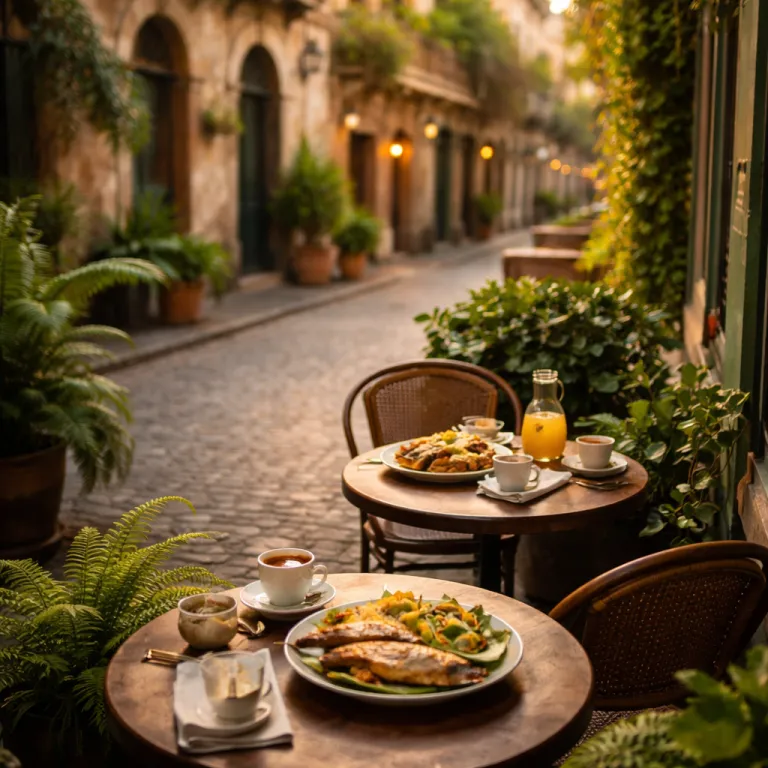
Why santo domingo restaurants belong on every luxury itinerary
Santo Domingo is where the Dominican capital’s appetite meets serious style. In the historic heart of the city, Santo Domingo restaurants turn centuries-old stone into stages for contemporary Dominican cuisine and polished service. Couples staying in a refined hotel in the Colonial Zone can walk from candlelit restaurant to lively bars in minutes, tasting how the Dominican Republic eats, drinks and celebrates.
Forget anonymous resort buffets; here, each restaurant in Santo Domingo’s old streets has a point of view, from deeply traditional cooking to daring fusion. Many of the best restaurants balance Dominican cuisine with Mediterranean, Asian and wider Latin American influences, so you can eat Santo Domingo classics like sancocho beside ceviche, duck confit risotto or delicate fried fish. This mix of traditional Dominican dishes and global techniques is what makes the island best for travelers who want both comfort and surprise on the same plate.
For luxury travelers, Santo Domingo restaurants are not just about food but about context and character. A dining room in a restored townhouse on Calle Las Damas feels different from a cavern restaurant like El Meson de la Cava, yet both express the same proud Dominican spirit. When you plan where to eat, think in layers; combine a lunch in a working-class comedor, a tasting menu by a chef who has appeared on MasterChef Dominican Republic and a late-night stop in restaurant bars where merengue spills into the street.
Day one morning in the colonial zone: coffee, colmados and quiet streets
Start your first morning in the Colonial Zone before the sun climbs too high. Step out from your hotel and walk towards Calle Las Damas, the oldest paved street in the Americas, where Santo Domingo restaurants nestle inside colonial facades and the city still feels half asleep. On the way, pause at a local colmado for a short, strong coffee and watch how the day begins for Dominican residents.
This is not the swim-up bar scene; this is where the merengue starts when the light softens and the first beer bottles clink against the maraca rhythm. In the morning, though, you get a different mood, with delivery trucks, cooks prepping traditional Dominican dishes and the smell of fried dough drifting from a tiny kitchen window. Take a bit of time to notice how Dominican cuisine is built from simple ingredients, then elevated later in the day by chefs in the best restaurants around the Colonial Zone.
For a more polished breakfast, leave the old stone streets briefly and head by taxi to Elysee in Piantini, where a French-trained pastry chef serves refined pastries and light dishes. This bakery-restaurant, located near Avenida Abraham Lincoln, opens from early morning through late afternoon and offers a calm counterpoint to the Colonial Zone, yet still feels connected to Santo Domingo’s wider food culture. If you are planning a broader journey through refined resort dining, read this elegant guide to Punta Cana’s most sophisticated tables at refined resort dining in Punta Cana before you return to the old city’s cobblestones.
Day one: from working class kitchens to santo domingo restaurants for date night
By midday, the Colonial Zone has warmed up and so has your appetite. This is the right moment to eat comforting Dominican food at a working-class kitchen, where culinary traditions are still cooked in heavy pots and served without ceremony. Look for a modest comedor with a handwritten menu listing sancocho, mofongo and other traditional dishes, then order a plate and sit among office workers and taxi drivers.
Here you taste traditional Dominican flavors at their most direct; plantains fried until crisp, stewed meats, rice and beans that define everyday Dominican food. “Mofongo, a mashed plantain dish, is widely popular.” That single sentence, echoed by local tourism data, explains why so many Santo Domingo restaurants keep it on the menu in both humble and elevated forms.
For dinner, shift gears and dress up for one of the city’s best restaurants outside the Colonial Zone, where taxis are quick and affordable. Ajualä, often associated with chef Saverio Stassi and located in the Piantini district, is a benchmark for Santo Domingo restaurants, known for ceviche and duck confit risotto served as part of thoughtful tasting menus that typically run from around 60 to 100 USD per person before wine. Alternatively, La Cassina on Avenida Gustavo Mejía Ricart offers modern Mediterranean cuisine Dominican diners consider among the island best, with mains usually starting near 25 USD, so reserve at least a few days ahead, especially in May when couples and business travelers compete for prime tables.
Day two: cacao, markets and seafood near the colonial zone
Your second morning is ideal for tasting the deeper notes of the Dominican Republic through cacao and mamajuana. Ask your hotel concierge to recommend a genuinely small-batch cacao producer or tasting room within easy reach of the Colonial Zone, then book a slot rather than just dropping in. You will learn how local beans move from farm to bar, and how traditional Dominican drinks like mamajuana weave into everyday life and special occasions.
Afterwards, head towards Mercado Modelo and the surrounding streets, where Santo Domingo restaurants and stalls focus on seafood and quick plates. This is a different rhythm from polished restaurant bars in the Colonial Zone; here, you might sit on a plastic chair, order fried fish with lime and watch the market’s choreography. The food is simple but fresh, and it shows another side of Dominican cuisine that balances the more elaborate dishes you tasted at Ajualä or La Cassina.
In the afternoon, return to the Colonial Zone for a slower walk, stopping for a bit of shade in a café or quiet restaurant. Some couples like to explore best corners of the neighborhood by following their appetite, moving from one intimate dining room to the next for small plates and glasses of wine. If you want more ideas for character-rich stays that pair well with serious food, browse this guide to unique luxury stays in the Dominican Republic and start sketching your next island best escape.
Fine dining, reservations and safety: practical notes for santo domingo restaurants
Even in a city with more than 500 restaurants, the most coveted Santo Domingo restaurants book out quickly. For Ajualä, La Cassina, Lila Modern Cuisine or El Meson de la Cava, reserve several days ahead in May and even earlier around holidays. Online platforms and hotel concierges are your best allies, since innovation in the local scene has made digital reservations and reviews standard for every serious dining room in the capital.
Dress codes lean towards smart casual in most fine dining spots, with men in long trousers and closed shoes and women in elegant but relaxed outfits. Tipping follows a clear rule; “Yes, a 10% tip is customary in restaurants.” Many bills already include a service charge, yet adding a bit extra in cash for attentive service is appreciated, especially in restaurant bars where staff remember regulars.
Walking between Santo Domingo restaurants in the Colonial Zone is part of the charm, as most places sit within a compact radius of a few hundred metres. Stick to well-lit streets like Calle El Conde and Calle Las Damas after dark, and let your hotel call a taxi if you plan to visit restaurants or bars beyond the zone. With these simple habits, couples can focus on the food, the wine and the slow unfolding of Dominican evenings, rather than on logistics or safety concerns.
FAQ about santo domingo restaurants and colonial zone dining
Are santo domingo restaurants suitable for vegetarian travelers ?
Many Santo Domingo restaurants now include vegetarian and vegan options, especially in higher-end places like Lila Modern Cuisine or La Cassina. Menus often feature vegetable-based dishes, salads and sides built around local produce. Always mention your preferences when reserving, so the restaurant can suggest the best fit.
What traditional dominican dishes should couples try first ?
Start with mofongo, sancocho and fried fish, which appear on many menus from Mercado Modelo stalls to refined dining rooms. These dishes express core flavors of cuisine Dominican cooks rely on daily. Pair them with rice and beans, tostones and a local beer or rum cocktail for a complete experience.
How much does a typical meal cost in santo domingo restaurants ?
In working-class kitchens or simple restaurants near the Colonial Zone, a generous plate can cost around 15 USD per person. Fine dining restaurants in Santo Domingo, especially those considered among the best restaurants in the Dominican Republic, will be higher, particularly with wine pairings. Luxury travelers usually find the value strong compared with similar quality in North American or European capitals.
Is it necessary to book santo domingo restaurants in advance ?
For casual lunches, you can often walk into a restaurant without a reservation, especially outside weekends. For Ajualä, La Cassina, El Meson de la Cava, Sophia’s Bar and Grill or other high-demand spots, advance bookings are strongly recommended. Using your hotel concierge or online platforms helps secure preferred times.
Which areas are best for couples who want to walk between restaurants and bars ?
The Colonial Zone is ideal for couples who want to stroll between Santo Domingo restaurants, wine bars and cafés without relying on taxis. Streets like Calle Las Damas and nearby lanes concentrate many of the city’s most atmospheric venues. For destinations farther away, such as Adrian Tropical or Porter House Grill Restaurant, taxis remain the most comfortable option.