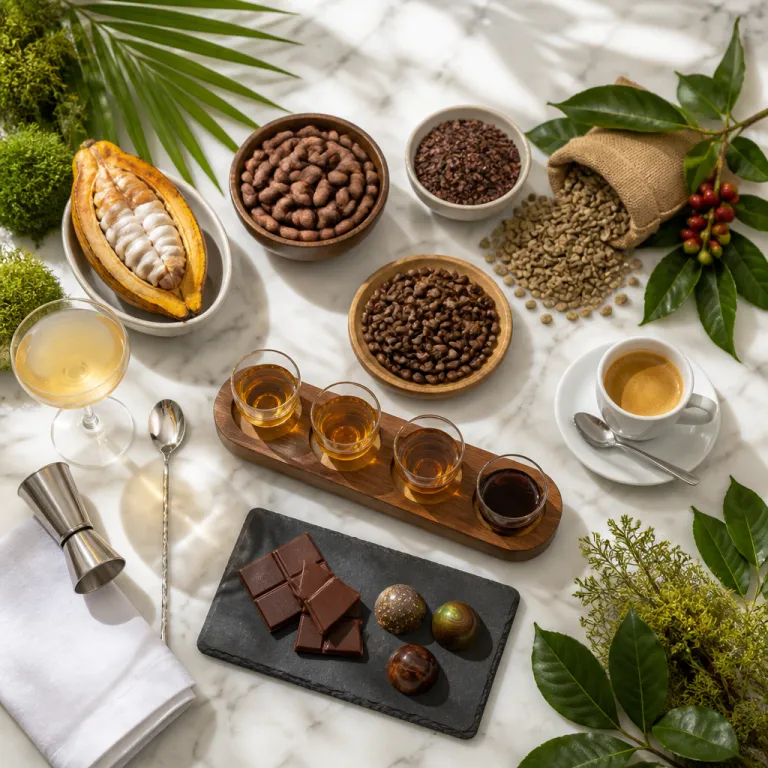
Why a Dominican coffee cacao experience belongs at the center of your trip
The most rewarding luxury stays in the Dominican Republic now orbit around a serious dominican coffee cacao experience rather than treating it as a rainy day activity. A growing circle of high end properties in the dominican republic quietly partners with working coffee plantation estates and cacao farms so guests move from polished hotel bar to fragrant drying patios in a single curated arc. If you care about where your coffee, cocoa and chocolate actually come from, this shift changes how you will plan your next stay.
On the north coast near Puerto Plata, coastal resorts arrange private tours inland where arabica coffee beans and fine flavor cacao share the same valleys. Your guide will walk you through rows of cacao trees, then up to shaded coffee cocoa terraces where cherries and pods are still sticky from the morning harvest. Back at the hotel, that same dominican coffee appears as a neat espresso, a cocoa coffee martini or paired with a single origin chocolate bar at the lobby lounge.
In the Cibao valley around San Francisco de Macorís, the country’s cacao capital, luxury lodges now design full day tours that trace the traditional chocolate route del cacao. You will learn how smallholder families ferment cacao beans in wooden boxes, then sun dry them before they leave for a chocolate bar factory or a hotel pastry kitchen in Santo Domingo. This is where a dominican coffee cacao experience stops being a marketing phrase and becomes a textured immersion in rural culture and everyday work.
From Punta Cana to Santo Domingo: where estates and hotels work in tandem
Along the east coast, Punta Cana has long been shorthand for cana Dominican resort life, yet a new wave of properties is steering guests inland for a more grounded dominican coffee cacao experience. High end hotels in Punta Cana now bundle private cacao and coffee tours with airport transfers, so you move from the runway to a shaded plantation rather than straight to a swim up bar. For solo travelers, these curated tours offer the safety of vetted guides while keeping the experience intimate and flexible.
One popular route links Punta Cana with the interior via the historic Sendero del Cacao, a well established chocolate route del cacao that many hotels quietly recommend. On this sendero del trail, you will learn how cocoa beans are roasted, ground and transformed into both rustic coffee chocolate drinks and refined chocolate bar tastings. Back at your resort in Punta Cana, bartenders translate that same cacao into cocoa coffee cocktails and coffee cocoa infusions that feel far more meaningful once you have walked the fields.
In Santo Domingo, design forward hotels in the colonial zone use the city as a launchpad for day tours to nearby cacao and coffee plantation estates. You can spend the morning in the colonial zone, then head out with a private guide toward the hills where sugar cane, cacao and coffee grow side by side. If you are planning a refined Caribbean escape built around these experiences, study how flexible rate offers and promo codes work on specialist platforms such as using an Excellence Resorts promo code for a refined Caribbean escape, then layer estate visits into that framework.
North coast and Cibao valley: cacao strongholds with serious hotel potential
The north of the dominican republic is where cacao has shaped culture, land use and export identity for generations. Around San Francisco de Macorís, often shortened locally to San Francisco, estates welcome small groups from nearby luxury lodges who want a dominican coffee cacao experience that feels unhurried. Here, you walk between cacao trees while your guide explains how the region’s rainfall and soils influence the beans that eventually become a chocolate bar in a hotel minibar.
Close to Puerto Plata, coastal hotels are increasingly pairing ocean facing suites with inland cacao and coffee tours that highlight the full agricultural mosaic. A single day might take you from a sugar cane field to a cacao fermentation shed, then up to a hillside coffee plantation where cocoa coffee pairings are served under a tin roof. When you return to your hotel bar in Puerto Plata, the same dominican coffee and cacao appear in tasting flights that echo what you saw on the farms.
Further inland, the Hermanas Mirabal province offers a quieter, more contemplative dominican coffee cacao experience for travelers who prefer depth over spectacle. Small eco focused properties here arrange private tours to mixed farms where coffee, cacao and fruit trees share the same slopes, and you will learn how farmers manage shade for both crops. Linking a stay in Hermanas Mirabal with nights on the coast near Puerto Plata creates a satisfying arc from misty highlands to sea level, with coffee chocolate and cocoa coffee tastings marking each transition.
Santo Domingo’s colonial zone and beyond: where history meets the tasting glass
Staying in Santo Domingo’s colonial zone gives you a front row seat to the republic’s layered history and its evolving dominican coffee cacao experience. Many premium hotels here now host evening tastings where local experts pour single origin dominican coffee alongside small batch chocolate, explaining how beans from San Francisco de Macorís differ from those near Puerto Plata. These sessions often pair coffee cocoa drinks with traditional sweets, turning the hotel lounge into a quiet classroom for flavor and culture.
From the colonial zone, you can join curated tours that head toward the interior, visiting both a coffee plantation and a cacao farm in one long day. A good guide will time the journey so you see beans being fermented, sugar cane being pressed and coffee cherries being pulped, rather than staged demonstrations set up only for visitors. Back in Santo Domingo, hotel bartenders translate those impressions into cocoa coffee negronis, coffee chocolate old fashioneds and chilled chocolate bar pairings that feel anchored in place.
Solo travelers often use Santo Domingo as a hub, then branch out to cana Dominican resorts or quieter coastal enclaves once they have oriented themselves. If your itinerary includes both the capital and a private charter along the south coast, consider weaving in a cacao themed stop between city and sea, much like travelers who turn a La Romana stay into an expedition by booking a Bayahibe private charter snorkeling itinerary. The same logic applies inland ; pairing a colonial zone base with targeted coffee cocoa and chocolate route del cacao excursions lets you keep your luggage light while your experiences run deep.
Designing your own estate to hotel bar itinerary
Building a dominican coffee cacao experience into your hotel choices starts with geography and pace rather than with a checklist of tours. One elegant approach is to begin in Santo Domingo, spend two or three nights in the colonial zone, then move north toward Hermanas Mirabal or San Francisco de Macorís before ending on the coast near Puerto Plata or Punta Cana. This arc lets you taste dominican coffee where it is roasted, sip cocoa coffee where cacao is fermented and then enjoy polished coffee chocolate cocktails back at sea level.
When comparing hotels, look for properties that name specific partners such as a coffee plantation, a cacao estate or a sugar cane mill rather than vague references to “local farms”. Serious hotels will offer small group or private tours with clear timings, explain what you will learn on site and show how those beans reappear in their own menus. Ask whether the bar team works directly with those producers for coffee cocoa infusions, chocolate bar pairings or limited edition cocoa coffee drinks that change with the harvest.
This kind of itinerary suits travelers who prefer culture and context over spectacle, who want to understand how the republic’s landscapes shape what ends up in their cup. You might spend one morning walking the sendero del cacao trail, another afternoon cupping dominican coffee with a roaster, then an evening at your hotel bar comparing coffee cocoa and cocoa coffee cocktails. Over a week, the dominican coffee cacao experience becomes the thread that ties together Santo Domingo, Punta Cana, cana Dominican resorts and the quieter highland valleys into one coherent journey.
FAQ
What is a realistic itinerary for a Dominican coffee cacao experience?
A balanced itinerary starts with two or three nights in Santo Domingo’s colonial zone, where you can join day tours to nearby cacao and coffee farms. From there, continue to the Cibao valley around San Francisco de Macorís or Hermanas Mirabal for deeper estate visits, then finish with three or four nights on the coast near Puerto Plata or Punta Cana where hotels integrate those beans into refined bar programs.
How do I know if a hotel’s coffee and cacao tours are authentic?
Authentic tours usually name specific estates, explain whether they are working farms and describe concrete activities such as harvesting, fermenting or roasting rather than generic “demonstrations”. Look for small group or private options, clear timings and evidence that the hotel uses the same beans in its bar and restaurant, which shows a real partnership rather than a one off excursion.
Can I visit both coffee plantations and cacao farms in one trip?
Yes, the geography of the dominican republic makes it straightforward to combine both in a single journey. Many travelers pair highland coffee plantation visits in the central region with cacao focused tours in the Cibao valley, then add a coastal stay in Puerto Plata or Punta Cana where hotels showcase those beans in cocktails and desserts.
Is a Dominican coffee cacao experience suitable for solo travelers?
Solo travelers are well served, especially when booking through luxury hotels that arrange vetted guides and transport for estate visits. Small group or private tours offer safety and structure while leaving space for conversation with producers, and city bases like Santo Domingo’s colonial zone provide walkable neighborhoods with plenty of cafés and bars to continue tasting on your own.
Do I need to book estate tours in advance?
Advance booking is strongly recommended, particularly for private tours or during peak travel periods when hotel concierges reserve limited slots. Contact your hotel before arrival, ask which coffee and cacao partners they work with and secure at least one estate visit in each region you plan to stay in so your schedule remains relaxed but confirmed.