Honest guide to hotel Cabarete: where to stay on Cabarete Beach or Kite Beach, what rooms, service and amenities to expect, and how it compares to Punta Cana and Las Terrenas.
Why hotel Cabarete is worth considering
Trade-winds hit your face the moment you step onto Cabarete Beach. Kites arc over the ocean, boards skim the chop, and the whole bay feels alive from sunrise to late night. If you are weighing whether a hotel in Cabarete is the right choice, start with this: it is the Dominican Republic’s most dynamic small beach town, not a sealed-off resort bubble.
The area stretches along the north coast in Puerto Plata Province, roughly 20–25 minutes (about 20 km) west of Gregorio Luperón International Airport in Puerto Plata, with hotels strung between the main Cabarete Beach and the more focused Kite Beach. Guests choose it for movement rather than stillness: kite sessions before breakfast, a swim in the hotel swimming pool at noon, dinner with bare feet in the sand. Compared with Punta Cana or the big complexes near Santo Domingo, Cabarete resort life feels more human scale, with low-rise properties and easy access to local cafés and colmados.
This destination suits travelers who want a good balance between comfort and character. You can book a full service hotel facing the ocean, with a spa and a quiet private beach area, yet still walk out to a merengue bar on Calle Principal in five minutes. If you prefer boutique residences with kitchens and more privacy, you will also find them located Cabarete along the bay. In short, hotel Cabarete is a strong option if you want the ocean close, the atmosphere informal, and the experience anchored in a real town.
Understanding Cabarete’s different beach areas
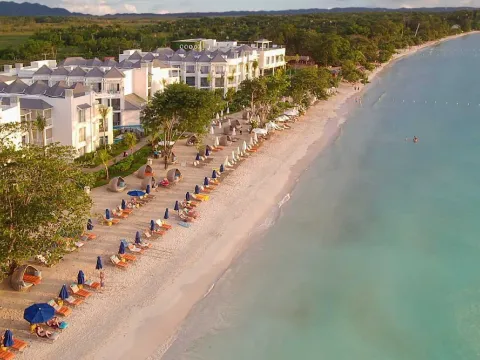
Cabarete is not one single strip of sand. The main Cabarete Beach curves for several kilometres, with hotels, small resorts and restaurants opening directly onto the beach area. This is where you stay if you want to step from your room to the ocean in under a minute, then wander to dinner along the shore without ever touching the road. The mood here is social, with music drifting from beach bars and kites often dotting the horizon.
A few minutes west by moto-taxi or on foot, Kite Beach concentrates the action. The wind is stronger, the waves more defined, and the shore lined with kite schools and low-key hotels that cater to riders. If your day revolves around the kite, staying here makes sense: you can check the conditions from your balcony, rig your gear on the sand, and be on the water in minutes. Non-kiters, however, may find the constant activity and gear on the beach less relaxing than the broader Cabarete beach area.
Further east and west of town, the coastline becomes quieter, with more private stretches where some Cabarete resort properties occupy larger plots. These hotels often offer a more secluded beach area, sometimes with a sense of a private beach even if the shoreline remains public in law. Choose this location if you value calm, landscaped grounds and a slower rhythm, and do not mind taking a short taxi ride back into Cabarete Dominicans’ everyday life for dinner or nightlife.
Types of stays: from classic resort to intimate residences
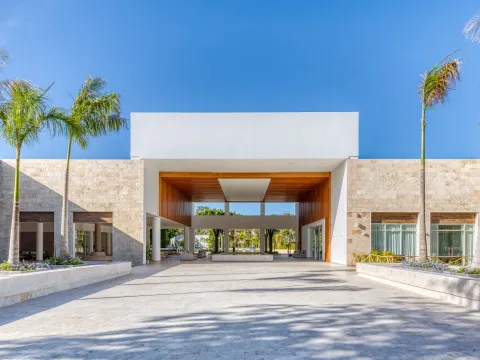
Choice in Cabarete runs wider than many expect. Traditional resort properties cluster near the main bay, offering multiple pools, on-site dining and a clear, self-contained experience. These suit guests who want everything at hand: breakfast buffets, a spa, a gym, perhaps a kids’ club, and a beach area with loungers already lined up. The trade-off is that you may feel less of the town’s texture if you rarely step outside the gates.
In parallel, a growing number of smaller hotels and boutique residences line the shore and side streets. Here, you might find a handful of suites around a single swimming pool, or apartments with kitchens and living rooms that work well for longer stays. The atmosphere is more residential, with staff often recognising you by day two and a quieter pool deck. For couples or remote-working guests, this can be a good compromise between privacy and access to Cabarete beach life.
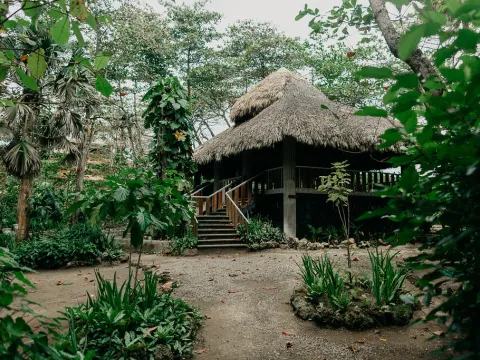
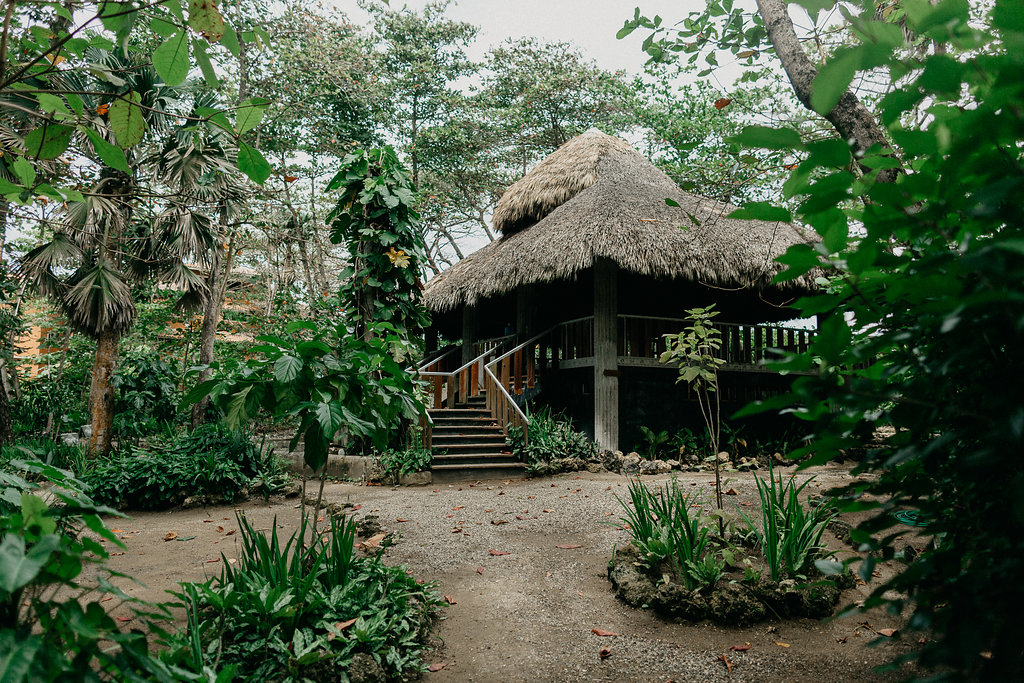
There is also a niche of eco-minded properties in the wider area, often set slightly back from the busiest stretch of sand. Expect more natural materials, garden paths instead of paved courtyards, and a closer connection to the surrounding landscape. These places tend to attract travelers who prioritise calm over constant entertainment. When you compare options, decide first whether you want the energy of a classic Cabarete resort or the slower pace of a smaller hotel with fewer rooms and more space per guest.
What to expect from rooms, service and amenities
Rooms in Cabarete hotels tend to lean toward light, airy spaces rather than heavy formality. Many properties orient their best rooms facing the ocean, with balconies that catch the trade winds and the sound of the waves. If waking up to the sea is a priority, check carefully whether your category is truly oceanfront or simply “ocean view” from a distance. Ground-floor units often open directly to a garden or pool, which can be convenient for families but less private.
Service here reflects the north coast’s relaxed character. Staff are generally warm and informal, often switching between Spanish and English with ease. In smaller hotels, the équipe may be compact but attentive, remembering your breakfast preferences or your kite lesson schedule. Larger resorts offer more structured full service, with reception, housekeeping, spa therapists and restaurant teams operating in clear shifts, though the experience can feel less personalised.
Amenities vary widely, so verify the essentials before booking. Some hotels focus on a strong swimming pool scene and landscaped grounds, others on wellness with a dedicated spa and yoga pavilion, and many on water sports with storage for boards and kites. If you plan to work remotely or stream content, check in advance how connectivity is handled, as standards differ from property to property. For those who care about a quieter stay, ask about proximity to beach bars or live music venues, especially along the central strip of Cabarete Beach.
Location, access and how Cabarete compares to other Dominican hubs
Cabarete sits on the north coast, roughly midway between the more urban Puerto Plata and the quieter stretches leading toward Río San Juan. From Santo Domingo, the drive across the island takes several hours, crossing the central mountains before dropping to the Atlantic. Compared with staying in the capital, where hotels cluster around the Malecón and the Zona Colonial, a hotel in Cabarete trades museums and historic plazas for direct ocean access and a softer climate.
Against Punta Cana, the contrast is sharper. Punta Cana specialises in large, master-planned resorts where guests often remain inside the complex for the entire stay. Cabarete, by design, is more porous: hotels open onto the street or the sand, and you will likely walk past local colmados, surf shops and small eateries every day. If you want a controlled environment with little need to explore, Punta Cana may suit you better. If you prefer to feel part of a small town, Cabarete is the stronger choice.
On the north coast itself, Cabarete sits between different moods. Las Terrenas on the Samaná peninsula offers a more spread-out village feel, with palm-fringed beaches and French-influenced cafés, while Cabarete leans into sports and social energy. When choosing your location, think in terms of daily rhythm: in Cabarete, you will hear the ocean and, at times, the music from beach bars on Calle Principal; in more remote areas, nights fall quieter but you give up the convenience of walking between hotels, restaurants and the main beach in minutes.
Who Cabarete suits best – and who might prefer elsewhere
Active travelers find Cabarete almost purpose-built. The combination of steady wind, warm ocean and a long bay makes it one of the Caribbean’s reference points for kite and wind sports. Staying near Kite Beach lets you structure your day around the wind window, with sessions in the morning, a break by the hotel pool at midday, and a sunset ride before dinner. Even if you never touch a kite, watching the colourful canopies dance over the water from a lounger is part of the local theatre.
Couples who enjoy a social backdrop but still want some privacy do well in smaller hotels or boutique residences slightly set back from the busiest bars. Here, you can have a glass of rum on your terrace, hear the ocean more than the speakers, then stroll out to dinner along the sand. Families often appreciate properties with a defined swimming pool area and easy, shallow access to the sea, though parents of very young children should be aware that the Atlantic side can bring more chop than the south coast.
Travelers seeking absolute quiet, or those who dislike any nightlife spillover, may find Cabarete’s central strip too lively, especially on weekends and holidays. In that case, look toward properties on the fringes of town, where the beach feels almost private and the only sound at night is the surf. If your ideal Dominican Republic stay is a fully insulated luxury bubble with little local contact, a larger integrated resort near Punta Cana or in another region might align better with your expectations than a hotel Cabarete stay.
How to choose and what to check before booking
Start with the map, not the marketing. Decide whether you want to be directly on Cabarete Beach, on Kite Beach, or in a quieter stretch just outside town. Being facing the ocean is a pleasure, but a second-row hotel can offer better privacy and often a calmer atmosphere, with only a short walk to the sand. Check distances in real terms: a property “steps from the beach” can mean anything from 30 metres to several hundred.
Next, match the property style to your travel profile. If you value structure, multiple dining options and a clear resort framework, focus on larger Cabarete resort properties with full service offerings and extensive facilities. If you prefer a more intimate feel, look at smaller hotels or boutique-style residences, where you might trade a vast lobby for a more personal welcome and a quieter pool deck. In both cases, pay attention to how many rooms share the same swimming pool and beach area, as this shapes the sense of space.
Finally, read recent information carefully and look beyond any single review score. You want to understand patterns: comments about the quality of the staff, the upkeep of rooms, the state of the beach in front of the hotel, and the general atmosphere at night. For kite-focused guests, confirm how equipment storage works and how close you are to the main launch zones. For those comparing Cabarete with Santo Domingo, Las Terrenas or Punta Cana, be honest about what you want most from this trip – culture, calm, or constant ocean time – and let that guide your booking choice.
Is Cabarete a good place to stay in the Dominican Republic?
Cabarete is an excellent place to stay if you want a blend of ocean-focused activity and small-town Caribbean life. The area offers a wide range of hotels and resorts along Cabarete Beach and Kite Beach, from full service properties to intimate residences, all within easy reach of restaurants and bars. Compared with larger resort zones, it feels more authentic and walkable, with direct access to the ocean and a strong water sports culture.
What is the difference between Cabarete Beach and Kite Beach?
Cabarete Beach is the main bay, lined with hotels, restaurants and bars, and offers a broad mix of swimming, casual water sports and nightlife. Kite Beach, a short distance away, is more specialised, with stronger wind and a shoreline focused on kiteboarding schools and riders. Staying on Cabarete Beach suits guests who want variety and an easy stroll to dining, while Kite Beach is better for those whose days revolve around the kite and the wind.
What should I check before booking a hotel in Cabarete?
Before booking, check the exact location of the hotel in relation to Cabarete Beach, Kite Beach and the town centre, as this will shape your daily rhythm. Verify room type and whether it truly faces the ocean or simply offers a partial view, and confirm key amenities such as pool layout, spa availability and on-site dining. It is also wise to review recent guest feedback to understand service quality, noise levels and the condition of the beach area in front of the property.
Is Cabarete suitable for families?
Cabarete can work very well for families who enjoy an active environment and do not mind a lively backdrop. Many hotels offer pools, easy access to the beach and spacious rooms or residences that suit parents and children. Families seeking very quiet evenings or extremely calm water may prefer properties slightly outside the centre or consider other Dominican areas with more sheltered bays.
How does Cabarete compare to Punta Cana and Las Terrenas?
Cabarete offers a more compact, sports-driven atmosphere than Punta Cana, with smaller hotels and fewer large-scale resorts, and guests typically move in and out of town on foot. Punta Cana excels at fully integrated resort experiences with extensive facilities but less everyday local interaction. Compared with Las Terrenas, which spreads along multiple beaches with a softer, village-like feel, Cabarete is more concentrated and energetic, particularly around its main bay and Kite Beach.