Planning where to stay in Santo Domingo? Discover what makes the Colonial Zone one of the best areas for hotels, from historic boutique houses and luxury stays to quiet courtyards, rooftop terraces, and practical booking tips.
Why the Colonial Zone is one of the best places to stay in Santo Domingo
Stone streets under your feet, church bells from the Catedral Primada, and the faint thrum of bachata from a nearby colmado; the Colonial Zone is not a resort bubble, it is the historic heart of Santo Domingo. Staying here means sleeping inside a UNESCO-listed grid of 16th-century streets rather than commuting in from a distant beachfront. For travelers who care more about atmosphere, architecture, and Dominican culture than about a swim-up bar, this is the right area.
The district is compact. From Calle Las Damas down to the Malecón, you can cross most of the neighborhood in 15 to 20 minutes on foot, which makes it easy to explore different hotels Santo Domingo offers in a single afternoon before you book. Many properties occupy restored colonial houses with thick stone walls, interior patios, and high ceilings that keep rooms naturally cool. You feel the age of the city in the details: worn stair treads, original wooden beams, a courtyard mango tree older than most modern hotels.
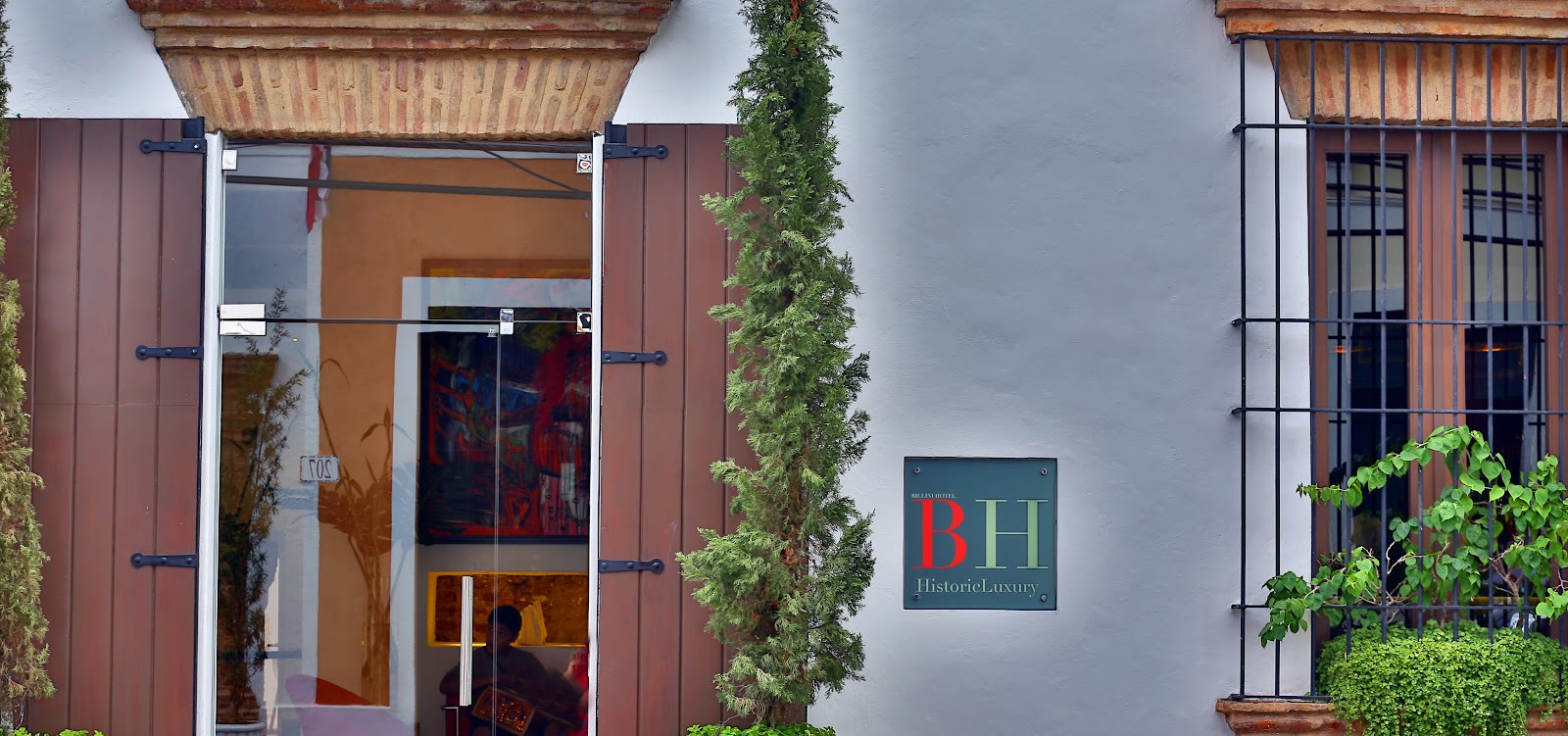
This is not the best choice if you want an all-inclusive Dominican hotel experience with endless pool activities. It is, however, ideal if you want to walk out of your room and be on Calle El Conde in three minutes, or sip a late-night rum in a quiet patio while the city hums beyond the walls. In other words, stay Santo Domingo here when you want character, not a generic tower. As a quick guide, luxury travelers often look at Casas del XVI (various restored houses around Calle Padre Billini), Hodelpa Nicolás de Ovando (Calle Las Damas), and Billini Hotel (Calle Padre Billini), mid-range guests gravitate toward Luca Hotel (Calle 19 de Marzo), and budget-conscious visitors consider Hostal Nomadas or small guesthouses near Parque Duarte.
Types of hotels and rooms you can expect in the Colonial Zone
Behind many heavy wooden doors in the Colonial Zone, you will find intimate hotels carved out of former family homes. Most have fewer rooms than a typical resort, which changes the feel of your stay: staff recognize you, courtyards stay calm, and the pace is slower. Expect a mix of standard rooms, larger suites, and occasionally a full colonial house rented as a single unit for groups or families.
Rooms tend to favor character over uniformity. You might have original stone walls in one, painted cement tiles in another, or a small balcony with a view over a quiet section of Calle Sánchez. Some properties offer rooms that open directly onto an interior patio with a plunge pool, while others reserve their best rooms for upper floors with city views toward the Río Ozama or the tiled roofs near Plaza de España. When you book, it is worth asking which category actually has the view you imagine.
Compared with large chain hotels Santo Domingo has outside the center, Colonial Zone properties often have fewer room types but more individuality. You may find a compact room with a king bed and no view in the same house as a high-ceilinged suite with a private terrace. Decide whether you care more about space, light, or outdoor access: in this area, those trade-offs matter more than in a standardized high-rise. As a rough benchmark, simple doubles in guesthouses can start around US$50–70 per night, while boutique hotels with pools and patios often range from about US$120 to US$250 depending on season and room category, based on recent listings on major booking platforms.
Location nuances inside the Colonial Zone: streets, noise, and atmosphere
Calle Las Damas, one of the oldest streets in the Americas, offers a very different stay from a room near Parque Duarte or the edges of Avenida Mella. On Las Damas and the streets around Plaza de España, the atmosphere is stately, with stone façades, wide plazas, and more formal dining. Nights are generally quieter, especially midweek, which suits travelers who want to sleep early after long days exploring the city.
Move closer to Calle El Conde and the feel shifts. This pedestrian artery is lined with cafés, shops, and hostal-style properties above street level. It is lively, sometimes noisy, and perfect if you like to step out of your hotel and be in the middle of everyday Dominican life. Around Calle Padre Billini and the smaller cross streets, you find a mix of discreet hotels and renovated casas del siglo XVI, where the colonial architecture is softer and more residential.
At the southern edge, near the Malecón, some hotels enjoy wider views toward the sea and easier access to the waterfront promenade, but you will walk a little farther to reach the densest cluster of restaurants and galleries. No part of the Colonial Zone is truly far from another; still, if you are sensitive to nightlife noise, avoid rooms directly facing busy corners or bars. Ask for interior courtyard rooms when you book, especially if you are staying over a weekend. Taxis and ride-hailing apps can usually reach hotel doors within 5 to 10 minutes from central Santo Domingo, and airport transfers to the Colonial Zone typically take 30 to 40 minutes depending on traffic.
Historic character versus contemporary comfort: choosing your style of stay
Thick stone walls, inner courtyards, and creaking staircases give many Colonial Zone hotels their charm. They also mean that not every property will feel like a newly built city tower. Some travelers love the sense of staying in a 16th-century casa, with uneven floors and heavy doors; others prefer a more contemporary Dominican aesthetic with clean lines and modern materials. Deciding where you fall on that spectrum will narrow your shortlist quickly.
Historic houses often deliver the most atmospheric stays. You might have breakfast under an orange tree, cross a tiled patio to reach your room, or watch the light change on a centuries-old stone wall. The trade-off can be fewer elevators, more stairs, and layouts that feel like a maze. Modern conversions, by contrast, tend to offer clearer circulation, more standardized rooms, and sometimes better sound insulation, but less of that lived-in colonial soul.
Some hotels manage a careful balance, preserving original façades and courtyards while creating contemporary interiors in the rooms themselves. Here you might find minimalist furniture, crisp linens, and a neutral palette set against a single exposed stone wall. If you value design and comfort equally, these hybrid properties are often the best places to stay Santo Domingo in the Colonial Zone, giving you history without sacrificing sleep quality. When comparing options, read recent guest reviews for comments on water pressure, Wi‑Fi reliability, and air-conditioning, as these practical details can vary more in older buildings than in modern towers.
Views, courtyards, and shared spaces: how you will actually experience the hotel
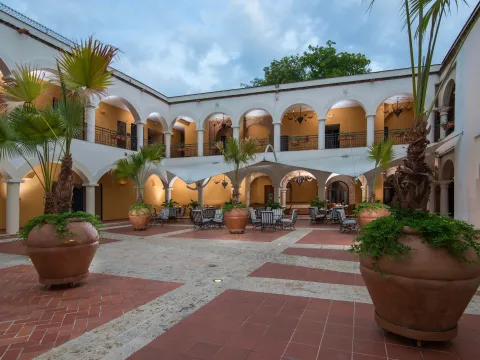
In the Colonial Zone, the most memorable part of a hotel is often not the room but the spaces between rooms. Central courtyards, rooftop terraces, and shaded galleries shape your daily rhythm. A small pool in a hidden patio can feel more luxurious than a large but exposed deck, especially in the afternoon heat when the stone walls hold the shade. When comparing hotels, look closely at photos of these shared spaces; they define your experience as much as any room category.
Rooftop terraces are particularly prized. From an upper level on Calle Padre Billini or near the Ozama riverfront, you may catch sunset views over the tiled roofs and church towers, with the city softening into evening. Some terraces are intimate, with just a few tables and a bar; others feel more like open-air living rooms where guests linger with a drink before dinner. If you are the type who spends mornings reading outside or working from a quiet corner, prioritize a property with generous outdoor areas.
Interior patios, by contrast, offer privacy and calm. They are usually framed by arcades, with potted palms, a small fountain, or a plunge pool at the center. Rooms that open directly onto these spaces feel connected to the house, almost like private apartments within a larger home. For travelers who value tranquility over panoramic views, these inward-facing layouts are often the smarter choice than a street-facing room with a partial city view. When you reserve, ask whether breakfast is served in the courtyard or on the roof, and whether non-guests can access these areas, as this affects how peaceful they feel during peak hours.
Practical tips before you book a hotel in the Colonial Zone
Walking distance defines convenience here. Check how far your chosen hotel is from the places you care about most; for example, the stroll from Calle Sánchez to Plaza de España is roughly 600 to 800 metres, while reaching the Malecón from the northern edge of the Colonial Zone can take 15 minutes under the sun. If you plan to explore museums, restaurants, and galleries on foot, staying closer to the central grid between Las Mercedes and Padre Billini will reduce back-and-forth.
Room allocation matters more than in a uniform tower. When you look at rooms to book, pay attention to whether they face the street, a courtyard, or an interior light well. Street-facing rooms can offer more of a city feel but also more noise, especially on weekends when Santo Domingo’s nightlife peaks. Courtyard rooms are usually quieter and cooler, with thicker walls and less direct sun, which can be a relief in the Dominican Republic’s humid months.
Finally, think about how you like to structure your days. If you expect to be out from morning to late evening, a smaller, characterful house with simple rooms may be enough. If you plan to spend long stretches at the hotel, perhaps working or resting between excursions, invest in a property with generous common areas, a pool, and outdoor seating. In the Colonial Zone, the right match is less about abstract star ratings and more about how the building’s layout and atmosphere align with your own travel rhythm. Booking directly with the hotel can sometimes give you clearer room descriptions, while major booking platforms make it easier to compare recent photos, cancellation policies, and guest ratings side by side.
Is the Colonial Zone in Santo Domingo a good area to stay?
Yes, the Colonial Zone is one of the best areas to stay in Santo Domingo if you value history, walkability, and local atmosphere. You sleep inside the oldest part of the city, with museums, plazas, and restaurants all within a short walk. The area suits travelers who prefer characterful houses and intimate hotels over large resort complexes, and who want to experience everyday Dominican life just outside their door.
What should I check before booking a hotel in the Colonial Zone?
Before you book, verify the hotel’s exact location within the Colonial Zone, the orientation of the room you are considering, and how much outdoor or shared space the property offers. Check whether your room faces a busy street or a quiet courtyard, and estimate walking distances to key spots like Plaza de España, Calle El Conde, and the Malecón. These details will shape noise levels, light, and how convenient your stay feels day to day.
Who is a Colonial Zone hotel best suited for?
Hotels in the Colonial Zone are best suited for travelers who prioritize culture, architecture, and a sense of place over resort-style amenities. Couples, solo travelers, and small groups who enjoy exploring on foot tend to appreciate this area most. It is less ideal for visitors seeking an all-inclusive beach holiday, but excellent for those who want to understand Santo Domingo as a living city in the Dominican Republic.
Are there luxury options in the Colonial Zone of Santo Domingo?
There are several high-end properties in the Colonial Zone that occupy restored historic buildings and offer refined service, elegant rooms, and carefully designed courtyards or terraces. These hotels often feature spacious suites, distinctive architecture, and a strong sense of privacy despite being in the middle of the city. They appeal to travelers looking for a premium experience rooted in the colonial fabric of Santo Domingo rather than in a modern beachfront resort.
How many hotels are there in the Colonial Zone?
The Colonial Zone of Santo Domingo offers roughly three dozen hotels and guesthouses, according to recent tallies on major accommodation platforms, ranging from intimate houses to more established properties in historic buildings. This relatively dense selection within a compact area makes it easy to compare different styles and locations on foot before you decide where to stay. It also means you can choose very precisely between quieter corners and livelier streets, depending on your preferences.