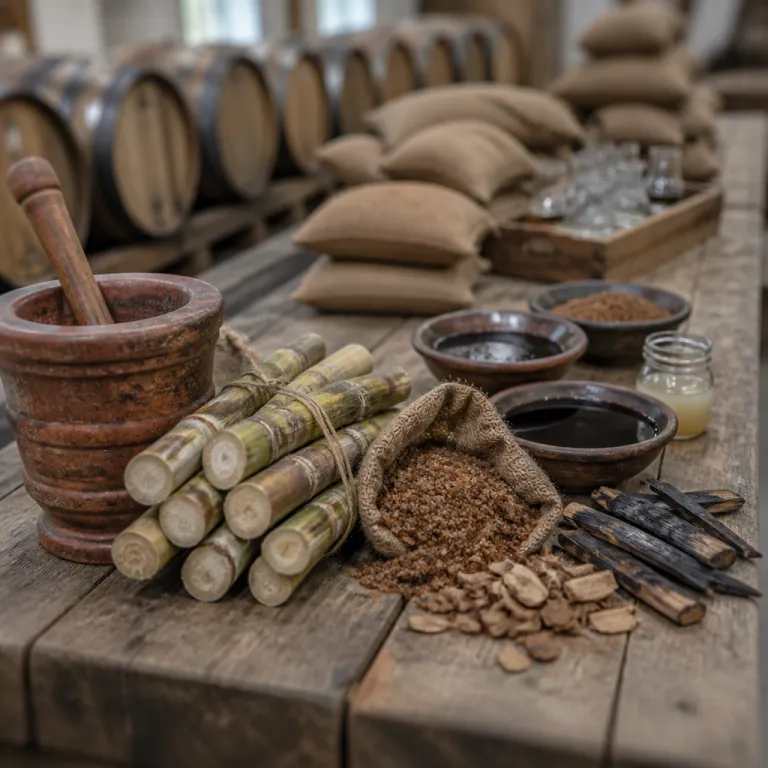
Why a rum trail belongs in your Dominican beachfront escape
Rum shapes how you travel in the Dominican Republic, even before you land. When you touch down and feel that first Caribbean breeze, the scent of sugarcane and sea salt quietly frames every luxury stay along the coast. For couples choosing a premium beachfront resort, weaving a rum trail into the itinerary turns a simple holiday into a narrative that links distillery floors, hotel bars, and the most characterful tourist areas in the country.
Think of the island as a living cellar where ageing warehouses and tasting rooms sit within easy reach of the sand. The north coast around Puerto Plata, the capital Santo Domingo, and the eastern stretch near Punta Cana each host a different chapter of this story, and the right hotel booking strategy lets you move between them without losing that sense of ease. When you plan to travel in the Dominican Republic with intention, you stop treating rum as a welcome drink and start treating it as a lens on local culture, agriculture, and hospitality.
Many visitors from the United States or Canada still book a single all inclusive stay in Punta Cana and rarely leave the resort. A rum focused route invites you to stay in at least two regions of the Dominican Republic, balancing time in refined beachfront resorts with nights in the historic heart of Santo Domingo or the breezy hills above Puerto Plata. This approach keeps you in well known tourist areas with strong local authorities presence, while still feeling like you have stepped beyond the usual Dominican Republic travel script.
Santo Domingo and Ron Barceló: where history meets your first pour
Your week long Dominican rum itinerary starts in Santo Domingo, where cobblestone streets and colonial facades set a slower rhythm. Base yourself in a luxury hotel in or near the Zona Colonial, so you can walk to dinner, read the city’s layered history in its plazas, and still return to a rooftop bar that treats rum with the same respect as wine. From here, you can arrange a private transfer east to San Pedro de Macorís for a pre booked visit at Ron Barceló, one of the country’s most decorated producers according to repeated medals at international competitions such as the San Francisco World Spirits Competition and Concours Mondial de Bruxelles.
Ron Barceló’s small group tours, often capped at around ten guests, are ideal for couples who want intimacy and depth rather than a crowded tourist experience. On site, guided walks through fermentation rooms and barrel warehouses explain why Dominican rum tends to be lighter and smoother than many Jamaican or Cuban styles, a distinction you will feel clearly when you taste the Imperial line, including Imperial Onyx and Porto Cask expressions. One guide summed it up simply: “Our climate and American oak give you vanilla, dried fruit, and toasted coconut, not just raw sweetness,” a profile you will recognise later in your hotel bar in Punta Cana or Puerto Plata.
Back in Santo Domingo, ask your concierge or a trusted local guide for tailored travel advice on rum forward restaurants and hotel bars that highlight Dominican labels by the glass. Many high end properties now offer curated flights that compare Ron Barceló with other Dominican producers, giving you a structured way to read your palate before you head to the coast. For a broader sense of the country’s landscapes beyond the capital, bookmark an elegant guide to nature escapes and the best places to see in the Dominican Republic, then start plotting how rum, cacao, and coffee can anchor your next stay.
Puerto Plata, Casa Brugal and Bermúdez: the north coast’s ageing rooms
From Santo Domingo, a short domestic flight or a half day drive brings you to Puerto Plata, where the Atlantic light feels sharper and the mountains lean closer to the sea. By road, the journey usually takes around three and a half to four hours for roughly 210 kilometres, with private transfers commonly starting near US$220–260 per car each way. This is the heartland of large scale Dominican rum production, and it is where your journey shifts from theory to the tangible aroma of ageing warehouses. Check into a premium beachfront resort or a hillside retreat overlooking the bay, then carve out at least one full day for distillery visits.
Casa Brugal, one of the country’s largest producers, runs structured production tours that walk you through fermentation, distillation, and ageing in a way that even non experts can follow. Premium sessions typically last between 90 minutes and two hours, a range also mentioned in official visitor information from major rum houses, and end with guided tastings that highlight how a lighter Dominican style can still carry depth, especially in older expressions reserved for the local market. Nearby, the historic Bermúdez Distillery in Santiago, reachable as a day trip from Puerto Plata, adds another layer with its status as one of the longest established rum houses in the Caribbean, tracing its roots to the late nineteenth century according to company archives.
When planning this leg, book tours in advance and follow instructions from both the distilleries and your hotel concierge, as entry requirements and schedules can shift with the season. Official guidance for visitors typically emphasises booking ahead, checking distillery schedules, arranging transportation, staying hydrated, and respecting local customs, which aligns neatly with how luxury properties already manage guest logistics. Between tastings, return to your resort’s pool or spa, where a well trained bar team should be able to mix a rum forward cocktail that reflects what you have just tasted, perhaps a dry Old Fashioned with orange peel and nutty cacao notes instead of a generic sugary blend.
Punta Cana, Oliver & Oliver and beachfront rum programs
By the time you reach Punta Cana, you will have a clear sense of which Dominican rum styles speak to you. Driving from Puerto Plata takes around five and a half to six hours for roughly 430 kilometres via Santiago and the interior highways, while a domestic flight via Santo Domingo shortens the journey but adds airport time. This is where your itinerary shifts from distillery floors to polished hotel bars, especially if you choose a resort in Cap Cana or along the more refined stretches of coastline. Oliver & Oliver, based near Punta Cana, specialises in premium blends that often appear in high end tasting menus and private hotel collections.
Look for properties that treat rum as a signature rather than an afterthought, with dedicated tasting rooms, cigar lounges, or pairing dinners that feature labels such as Cubaney Centenario, Unhiq XO, or Opthimus. Some of the best beachfront resorts now offer guided flights hosted by in house rum sommeliers, who can explain why a lighter Dominican profile works beautifully in long drinks, while older cask strength expressions shine in slow sipping rituals. One sommelier might describe a favourite pour as “all roasted banana, baking spice, and a hint of tobacco,” giving you language to match what you are smelling. For a deeper dive into how to match your hotel choice with this level of detail, study a focused guide to Punta Cana beachfront elegance before you book.
Cap Cana in particular rewards couples who want a quieter, more controlled environment without losing access to the wider Punta Cana restaurant and nightlife scene. When you travel in the Dominican Republic as a pair, this balance matters, especially if you are planning late evening tastings and want to minimise any risk linked to transport or unfamiliar areas. Ask your concierge for travel advice on which tourist areas are best for rum focused evenings, and always follow instructions from local authorities on safe routes back to your resort.
Cacao, coffee and Saona Island: extending the flavour map
Rum rarely stands alone in the Dominican Republic, and the most rewarding itineraries connect it with cacao and coffee. Many estates near Puerto Plata and in the interior offer combined tours where you can walk through cacao groves in the morning, visit a small coffee operation after lunch, and end the day with a rum tasting that ties the flavours together. For couples who travel with a culinary focus, this creates a multi day thread that feels both indulgent and grounded in local agriculture.
Premium aged rums such as Cubaney Centenario, Unhiq XO, and Opthimus show particularly well when paired with single origin Dominican chocolate or local cheeses. Expect notes of dark caramel, toasted nuts, and dried fig to echo the cocoa and dairy, especially in rums finished in sherry or port casks. Some luxury resorts now invite producers on site for special evenings, turning the hotel bar into a temporary tasting room where you can read subtle differences between regions without leaving your chaise longue. Ask your concierge whether any such events coincide with your visit, or whether a private in suite pairing can be arranged for a more intimate experience.
On the south east coast, a day trip to Saona Island from the Punta Cana or Bayahibe corridor offers a different angle on the same story. While Saona Island is better known for its beaches than for distilleries, a well curated picnic with local rum, fresh seafood, and Dominican coffee can be one of the best ways to appreciate the country’s flavours in a single afternoon. Boat rides from Bayahibe usually take around 45 minutes to an hour depending on sea conditions, and many organised excursions include lunch and drinks. Coordinate with your resort to ensure that boat operators respect entry and exit rules for the protected park areas and that any alcohol service is handled responsibly, especially during hurricane season when conditions can change quickly.
Practical travel advice, safety and timing for a rum focused stay
Planning a rum centred journey across the Dominican Republic means thinking carefully about timing, logistics, and health. The best time for most couples to visit for distillery tours and beachfront stays usually falls outside the peak of hurricane season, when seas are calmer and road conditions more predictable. Work with your hotel’s concierge team to sequence Santo Domingo, Puerto Plata, and Punta Cana in a way that minimises backtracking and keeps transfers under half a day wherever possible.
Entry requirements for visitors from the United States or Canada are straightforward for short tourist stays, but you should always read the latest travel updates from your government before you enter Dominican territory. Official advisories often mention that yellow fever vaccination certificates are required only if you are arriving from specific high risk regions, so check whether this applies to your route and follow instructions from both your airline and local authorities. Once in country, keep your passport details handy for any distillery or hotel check in that requires identity verification, as entry and exit records are taken seriously.
As with any destination that blends nightlife, alcohol, and busy tourist areas, it is wise to stay alert to personal safety, especially late at night. Choose reputable transport arranged through your hotel, avoid isolated beaches after dark, and be mindful of drink safety to reduce the risk of theft or sexual assault. When you travel with a partner, agree on simple rules such as sticking together in crowded bars in Santo Domingo or Punta Cana, and lean on your concierge for tailored travel advice on which areas to visit and which to skip.
Key figures on Dominican rum tourism and production
- Brugal in Puerto Plata operates at a major industrial scale, with extensive ageing warehouses that underpin its role as a leading producer in the Dominican Republic and a central stop on any serious rum trail, as highlighted in company production reports and tourism materials.
- Ron Bermúdez traces its origins back to the nineteenth century, making it one of the longer standing rum houses in the Caribbean and a valuable historical counterpoint to newer producers on your itinerary, a fact repeated in brand histories and regional rum guides.
- Ron Barceló has received numerous international awards for its rums, a level of recognition that explains why its Imperial range often anchors premium tastings in luxury hotel bars across the country, with medals documented in competition results and press releases.
- Premium distillery tours typically last between 90 minutes and two hours, which makes it realistic to combine a morning visit with an afternoon by the pool when you plan your daily schedule from Santo Domingo or Puerto Plata, according to sample itineraries from tour operators.
- Most guided tours require visitors to be at least 18 years old for tastings, so couples travelling with older teenagers should plan separate activities for underage guests while adults explore the distillery floors, in line with Dominican alcohol regulations.
Frequently asked questions about the Dominican rum trail
Do I need to book distillery tours in advance for my trip ?
Yes, you should book ahead, especially for Bermúdez and Ron Barceló, which often operate by appointment and limit group sizes for premium tastings. Advance reservations also help your hotel coordinate private transfers and ensure that English language guides are available. During peak tourist seasons, same day slots in popular tourist areas such as Puerto Plata can be difficult to secure.
Are rum tours suitable for travellers who are not rum experts ?
Distillery visits in the Dominican Republic are designed for curious travellers rather than only connoisseurs, and guides explain each step in clear, accessible language. You will learn how Dominican rum differs from Jamaican or Cuban styles, with tastings that highlight lighter, smoother profiles ideal for cocktails. Many hotels then echo these lessons in their bar programs, so you can keep exploring at your own pace.
How should I structure a one week rum focused itinerary ?
A balanced plan for seven nights might start with two nights in Santo Domingo for Ron Barceló and the historic centre, followed by three nights in Puerto Plata for Casa Brugal and nearby cacao or coffee estates. Finish with two nights in Punta Cana or Cap Cana, where Oliver & Oliver expressions and curated hotel bar tastings close the loop between distillery floor and beachfront resort. This pacing keeps most transfers under half a day and leaves at least one unscheduled afternoon for the beach or spa.
Is it safe to combine rum tastings with driving between regions ?
You should never drive yourself after tastings, and the safest option is to arrange private drivers through your hotel or trusted local operators. Many luxury properties in Santo Domingo, Puerto Plata, and Punta Cana can bundle transport with distillery visits, so you can enjoy the experience without worrying about road conditions or legal risk. This approach also lets you relax fully at the hotel bar later, knowing your movements are already planned.
Can I buy premium Dominican rums directly at the distilleries ?
Most major distilleries offer on site shops where you can purchase bottles that may be harder to find in regular tourist areas or duty free outlets. Limited releases and older expressions are often priced competitively, making them attractive souvenirs for travellers from the United States or Canada. Check airline rules and duty free allowances before you enter Dominican airports for your return flight, so you can plan purchases without surprises.