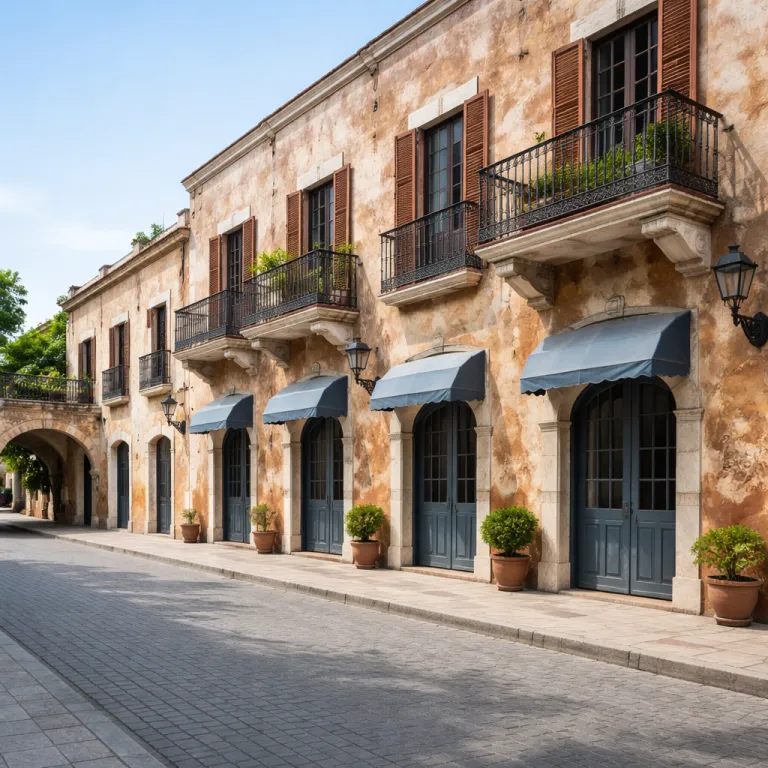
Where to stay in the Dominican Republic when Santo Domingo is more than a layover
Most travelers asking where to stay in the Dominican Republic start with Punta Cana and its long arc of sand. Yet the capital, Santo Domingo, and especially the Zona Colonial, quietly shapes how you feel about the whole country. One carefully chosen heritage hotel can turn a transit stop into the most memorable stay of your trip.
The Dominican Republic is a compact country of about 48,671 km², but its capital feels like a full world. Within a few streets you move from the first cathedral in the Americas to a contemporary Marriott hotel tower facing the Malecón. Choosing the right hotel in this city means deciding how close you want to sleep to that layered history and to the Caribbean Sea.
When people search online for where to stay in the Dominican Republic, they often see only airport hotels and generic chains. Those options work for a late arrival, but they miss the Zona Colonial’s stone courtyards and candlelit cloisters. For a premium family, the best hotels in this part of the Dominican Republic offer both character and reliable comfort for children.
The Zona Colonial sits on the west bank of the Ozama River, a short drive from Santo Domingo airport. In normal traffic, the transfer from Las Américas International Airport (SDQ) to the historic center takes about 25–35 minutes by taxi, with official airport cabs typically charging in the range of US$25–35 per car. Calle Las Damas, the first paved street in the Americas, runs parallel to the water and anchors many of the area’s most atmospheric addresses. From here you can walk to Plaza España, the cathedral, and the city’s most interesting restaurants in less than 10 minutes.
Many visitors still treat Santo Domingo as a quick stop before heading to a resort in Punta Cana or to the natural beauty of Samaná. That is a missed opportunity, because one night in the right hotel in the old city reframes the rest of your travel. You suddenly see every beach and every resort as part of a much older Dominican story.
Recent tourism reports from the Dominican Republic’s Ministry of Tourism indicate that well over one million visitors pass through the Zona Colonial each year, yet most never stay overnight (Dominican Ministry of Tourism, 2023 data). They come on a day trip from a resort in Punta Cana or from a hotel in Boca Chica, then return to the pool before dark. Staying in the city lets you feel how the streets change once the cruise buses leave.
Three heritage hotels in Santo Domingo that justify a dedicated night
When deciding where to stay in the Dominican Republic for a first or last night, start with three heritage properties inside the Zona Colonial. Each sits within walking distance of Calle El Conde and Plaza España, yet each offers a different mood. All three work for premium families who want character without sacrificing sleep quality or safety.
The first type of heritage hotel in Santo Domingo is the restored convent or mansion wrapped around a central courtyard. These properties usually offer thick stone walls, high ceilings, and rooms that stay naturally cool even in the heat. Families appreciate the way children can move between pool, patio, and room without ever crossing a city street.
Hodelpa Nicolás de Ovando sits directly on Calle Las Damas in several linked colonial houses, some dating back to the 16th century. With around 100 rooms and suites, it is large enough to offer facilities yet small enough to feel intimate. Rooms look onto cloistered courtyards or the Ozama River, and the central pool gives children a clear focal point between walks. For premium families, the combination of history, river views, and reliable service makes this one of the most atmospheric yet practical bases in the old city.
Billini Hotel, Historic Luxury occupies a former convent near the cathedral and offers a more design-forward take on colonial architecture. Expect sleek rooms, a rooftop pool with city views, and a compact footprint that keeps everything close for younger travelers. With roughly 20–30 rooms, it feels more like a boutique residence than a large resort. This property suits families who like contemporary style and attentive staff but still want to step out the door and be in the heart of the Zona Colonial within minutes.
A second category is the colonial-era townhouse that has been converted into a small, design-forward hotel. Here you trade grand cloisters for intimate lounges, rooftop plunge pools, and attentive service that remembers your preferences. For many travelers asking where to stay in the Dominican Republic, this balance between history and contemporary comfort feels like the best option in the capital.
Casas del XVI takes this townhouse model further by spreading suites across several restored homes, each with its own courtyard. Some houses can be reserved almost as private villas, giving families extra privacy while still enjoying hotel-level housekeeping and concierge support. With a limited number of suites, stays here often feel highly personalized. The result feels like staying in a discreet urban residence rather than a conventional hotel, which appeals to travelers who value space and a sense of discovery.
The third option is a modern Marriott hotel or similar international brand just outside the Zona Colonial, often along the Malecón. These hotels offer larger room inventories, executive lounges, and predictable amenities that some families prefer. You lose a little of the old stone romance, but you gain easy parking, bigger pools, and sometimes a connected hotel casino.
When comparing these heritage stays, ask what each does best for your family. Some excel at quiet courtyards and refined dining, while others lean into rooftop bars and city views. If you plan to continue to a resort in Punta Cana, a calm night before early travel can matter more than a dramatic lobby.
To understand how your Santo Domingo night fits into a wider itinerary, study a detailed Punta Cana hotel locations map before you book flights. This helps you see how far your chosen hotel Punta Cana address sits from the airport and from the Zona Colonial. It also clarifies whether you should stay in the capital on arrival, on departure, or both.
- Hodelpa Nicolás de Ovando
Pros: Directly on Calle Las Damas, river views, sizable pool, strong sense of history.
Cons: Some rooms can feel darker due to thick walls; popular location means higher demand in peak season. - Billini Hotel, Historic Luxury
Pros: Stylish design, rooftop pool, short walk to the cathedral, intimate scale.
Cons: Limited room count, rooftop areas can feel lively at night for very light sleepers. - Casas del XVI
Pros: Villa-style privacy, personalized service, separate courtyards ideal for families.
Cons: Higher price point, layout spread across several houses may not suit guests who prefer a single building.
Walking Calle Las Damas and Plaza España from your Santo Domingo base
Once you have chosen where to stay in the Dominican Republic within the Zona Colonial, the streets themselves become part of your hotel experience. Calle Las Damas feels different at night than in the morning, and your timing shapes how you remember the city. Families who plan their walks with intention often feel more comfortable and see more of the area’s natural beauty.
After dark, Calle Las Damas is about atmosphere rather than sightseeing. The stone façades glow under warm lighting, and the sound of merengue drifts from nearby patios and from the occasional hotel casino lounge. This is when a heritage hotel on or near the street feels like a private balcony over the history of the Dominican Republic.
In the morning, shift your walk toward Plaza España and the waterfront. Children can run across the open square while adults take in the view of the Ozama River and the Alcázar de Colón. From here, you understand why so many travelers say this is one of the most beautiful corners of any Caribbean city.
Many visitors ask whether Santo Domingo is safe for tourists, and the official answer is clear. The national guidance states that “Yes, with standard precautions.” That means you treat the city like any other capital in the country, staying on lit streets at night and using registered taxis when moving beyond the historic core.
Families who stay in a well located hotel inside the Zona Colonial rarely need a car. You can walk to restaurants, museums, and the waterfront, then return to your room in minutes if children tire. This is one reason why the best hotels in this area remain in high demand even as new resorts open in Punta Cana and Cap Cana.
If you plan to combine your Santo Domingo stay with a villa or resort elsewhere, it helps to understand the geography of the Dominican Republic. A dedicated guide to elegant villas in the Dominican Republic can clarify how far Samaná, Puerto Plata, and Casa de Campo sit from the capital. With that context, you can decide whether to book your heritage night at the start of your travel, at the end, or both.
How Santo Domingo reframes beach resorts from Punta Cana to Samaná
Spending a night in Santo Domingo before heading to the coast changes how you see every resort. Once you have walked Calle Las Damas and watched the light shift over Plaza España, the beaches of Punta Cana feel less like isolated postcards. They become part of a larger Dominican narrative that stretches from the first cathedral to the latest infinity pool.
Many travelers still ask what is the best area to stay in the Dominican Republic, and official guidance often points to Punta Cana for luxury resorts and beaches. That answer is not wrong, but it is incomplete for premium families who care about culture as much as sun loungers. For them, the best hotels are often a combination of one heritage stay in Santo Domingo and several nights at a carefully chosen resort on the coast.
On the eastern tip, Punta Cana and Cap Cana offer long, beautiful beaches and a dense concentration of high-end resorts. Here you find properties like Tortuga Bay at Punta Cana Resort and Club, where villas open directly onto the sand and service runs at a polished, international level. Families who have already grounded themselves in the capital’s history tend to appreciate these comforts without feeling trapped in a resort bubble.
Farther east and slightly south, the area often called Cana Dominican in search queries usually refers to the broader Punta Cana region. This stretch of coast is ideal for travelers who want to stay in the Dominican Republic in a practical sense, with easy airport access and a wide choice of room categories. A detailed map of hotel Punta Cana addresses helps you avoid being too far from the sections of beach that match your style.
To the north, the Samaná peninsula offers a different kind of natural beauty, with jungle-clad hills dropping into small coves and quieter beaches. From January to March, this region becomes one of the world’s most important whale watching areas, drawing visitors who care more about marine life than swim-up bars. Combining a Santo Domingo heritage night with a Samaná eco resort gives families a balanced view of the country.
On the north coast, Puerto Plata and nearby towns like Cabarete offer yet another angle on where to stay in the Dominican Republic. Here, the mix of historical sites, adventure sports, and family-friendly beaches suits travelers who want activity as well as rest. A night in the capital before or after this leg helps children connect the colonial forts of Puerto Plata with the earlier history they saw in Santo Domingo.
Beyond Punta Cana: coastal stays that pair well with a Santo Domingo night
Once you have anchored your itinerary with a night in Santo Domingo, the question of where to stay in the Dominican Republic along the coast becomes more nuanced. You are no longer choosing only between one resort and another, but between different ways of experiencing the country. Each region offers its own blend of natural beauty, culture, and family-friendly infrastructure.
On the south coast, Boca Chica sits closest to the capital and the main airport. The lagoon here offers calm, shallow water that works well for younger children, and some hotels provide day passes for families who want a simple beach break after a city stay. For a premium family, this area can function as a soft landing before a longer transfer to Punta Cana or Samaná.
Farther east, the integrated community of Casa de Campo near La Romana offers a different scale of resort living. Here, villas and hotel rooms share space with golf courses, a marina, and the re-created Mediterranean-style village of Altos de Chavón. Families who have spent time in Santo Domingo’s Zona Colonial often enjoy tracing the contrast between the authentic stone streets of the capital and the theatrical architecture of Altos de Chavón.
Within Casa de Campo, properties like the bay hotel style accommodations near the marina give direct access to boats and water sports. This can be especially appealing for families planning private excursions along the coast or to nearby islands. When you have already walked the historic bay area of Santo Domingo, these modern marinas feel like a contemporary echo of the country’s maritime past.
On the north coast, Puerto Plata and Cabarete combine beaches with adventure activities such as kite surfing and canyoning. Official guidance notes that Puerto Plata offers beaches, historical sites, and adventure sports, which makes it a strong candidate for families who dislike staying in one resort all week. A heritage night in Santo Domingo before heading north helps frame the colonial forts and cable car views within a broader Dominican Republic story.
Throughout these regions, you will find both independent properties and international brands like Marriott hotel options in key cities. The best hotels for premium families tend to be those that communicate clearly, maintain strong safety standards, and respect the local environment. When you evaluate where to stay in the Dominican Republic, look beyond the pool photos to how each property connects you to the surrounding community.
New luxury pockets near the Zona Colonial and how to use them
Not every premium traveler wants to sleep inside the thick stone walls of the Zona Colonial. Some prefer to stay in the Dominican Republic in a more contemporary sense, choosing modern towers just beyond the historic grid. These adjacent neighborhoods are where service quality is rising fastest, and they can work well for families who value space and amenities.
Areas along the Malecón and in central Santo Domingo offer larger hotels with full-service facilities. Here you might find a Marriott hotel with a rooftop pool, a connected hotel casino, and multiple dining options under one roof. For families arriving late at night or leaving early, this can be the best compromise between comfort and access to the old city.
From these modern districts, a short taxi ride brings you into the Zona Colonial for daytime exploration. You can walk Calle Las Damas, visit the cathedral, and linger over lunch in a shaded courtyard before returning to your contemporary base. This pattern suits travelers who like the idea of history but sleep better in newer construction with soundproofing and blackout curtains.
When planning such a split, it helps to understand the practical layout of Santo Domingo. A detailed guide to how postal code details shape luxury hotel planning in the capital, such as the one available on this Santo Domingo postal code resource, can clarify which districts align with your priorities. You will see quickly where the densest clusters of best hotels sit and how they relate to main arteries and the waterfront.
These newer neighborhoods also make it easier to connect a city stay with onward travel to other parts of the Dominican Republic. Road links from central Santo Domingo to Punta Cana, Samaná, and Puerto Plata are straightforward, and private transfers can pick you up directly from your hotel lobby. For premium families, this reduces friction and keeps the focus on the experience rather than the logistics.
As you weigh where to stay in the Dominican Republic, remember that no single district or resort can represent the entire country. A thoughtful combination of one heritage night in the Zona Colonial and several nights in a coastal resort or villa often delivers the richest sense of place. That layered approach is what turns a simple beach holiday into a deeper relationship with the republic.
Practical itinerary ideas that link Santo Domingo, Samaná, and the north coast
For premium families, the most satisfying answer to where to stay in the Dominican Republic usually involves at least two regions. One night in Santo Domingo’s Zona Colonial, followed by several nights in a coastal area like Samaná or Puerto Plata, creates a rhythm that balances culture and rest. The key is to sequence the stays so that transfers feel manageable and children remain engaged.
A classic itinerary starts with a heritage hotel in Santo Domingo on arrival. You land, clear formalities, and within an hour you are walking Calle Las Damas under the evening lights. The next morning, after a slow breakfast in a stone courtyard, you transfer by road to a resort in Punta Cana or Cap Cana for several days of beach time.
Another option is to pair Santo Domingo with the Samaná peninsula, especially for families interested in whale watching between January and March. You spend your first night in the capital, then drive or take a domestic flight to Samaná, where smaller resorts and villas sit close to some of the most beautiful beaches in the country. Children who have seen the old city often ask sharper questions about the coastal villages and the way people live along the peninsula.
For a more active trip, consider linking Santo Domingo with Puerto Plata and Cabarete on the north coast. After your heritage stay in the capital, you travel north to a bay hotel style property near the water, where you can mix beach time with excursions to historical sites and adventure sports. This combination works well for older children and teenagers who want more than pool days.
Throughout these itineraries, the question of where to stay in the Dominican Republic is less about chasing a single best resort and more about matching each leg to your family’s energy. Some nights call for the quiet of a courtyard in Santo Domingo, while others suit the full-service ease of a large resort in Punta Cana. The most successful trips respect that variety rather than forcing one style of stay across the entire Dominican Republic.
Whatever route you choose, remember that the country’s compact size makes multi-stop itineraries realistic. Distances between Santo Domingo, Punta Cana, Samaná, and Puerto Plata are short enough that you can change scenery without losing a full day to travel. That flexibility is one of the reasons the Dominican Republic remains a favorite among families who return year after year, refining their answer to where to stay in the Dominican Republic each time.
Key figures for planning where to stay in the Dominican Republic
- The Dominican Republic covers about 48,671 km², which makes it large enough to offer varied regions yet compact enough for multi-stop itineraries within a single trip (REST Countries API, accessed 2024).
- The population of the Dominican Republic is around 10.8 million people, concentrated mainly in Santo Domingo and other major cities, which explains why service levels and hotel variety are highest in and around the capital (REST Countries API, accessed 2024).
- Recent statistics from the Dominican National Institute of Statistics indicate that more than one million tourists visit the Zona Colonial of Santo Domingo annually, a figure that highlights the area’s importance yet also shows how many travelers still treat it as a day trip rather than an overnight stay (Dominican National Institute of Statistics, 2022 report).
- Official guidance notes that Punta Cana is popular for luxury resorts and beaches, which aligns with search behavior showing that many travelers begin their where to stay in the Dominican Republic research with this region before adding Santo Domingo or Samaná (Dominican Ministry of Tourism reports, 2023).
- Whale watching season in Samaná typically runs from January to March, a three-month window that strongly influences when nature-focused travelers choose to visit the north east of the country (regional tourism board information, 2023).
FAQ about where to stay Dominican for premium family trips
What is the best area to stay in the Dominican Republic for a first visit ?
For a first visit, many premium families split their time between Santo Domingo and Punta Cana. Official guidance states that “Punta Cana is popular for luxury resorts and beaches.” Combining a heritage hotel in the Zona Colonial with a resort on the eastern beaches gives you both culture and relaxation.
Is Santo Domingo safe for tourists who stay overnight in the Zona Colonial ?
Safety levels in Santo Domingo are comparable to many large Latin American cities. Official advice answers the question “Is Santo Domingo safe for tourists ?” with “Yes, with standard precautions.” Staying in a well reviewed hotel in or near the Zona Colonial, using registered taxis, and avoiding poorly lit streets at night are usually sufficient measures.
How many nights should I spend in Santo Domingo before heading to a resort ?
One or two nights in Santo Domingo works well for most families. A single night lets you walk Calle Las Damas, visit the cathedral, and enjoy one dinner in the old city before moving on to a beach resort. Two nights give you time for museums and a slower pace without significantly reducing your days on the coast.
How can I combine Santo Domingo with Samaná for whale watching ?
The most efficient plan is to fly into Santo Domingo, spend one night in a heritage hotel, then travel by road or domestic flight to Samaná the next day. From January to March, many properties in the peninsula offer excursions focused on whale watching, which you can book through your hotel. Returning to Santo Domingo for a final night before departure simplifies airport logistics.
Are Puerto Plata and Cabarete suitable for families compared with Punta Cana ?
Yes, Puerto Plata and Cabarete are suitable for families and offer a different mix of activities. Official information notes that Puerto Plata provides beaches, historical sites, and adventure sports, which can appeal to older children and teenagers. Punta Cana remains stronger for large-scale resorts and beautiful beaches, while the north coast excels at variety and a slightly more independent feel.