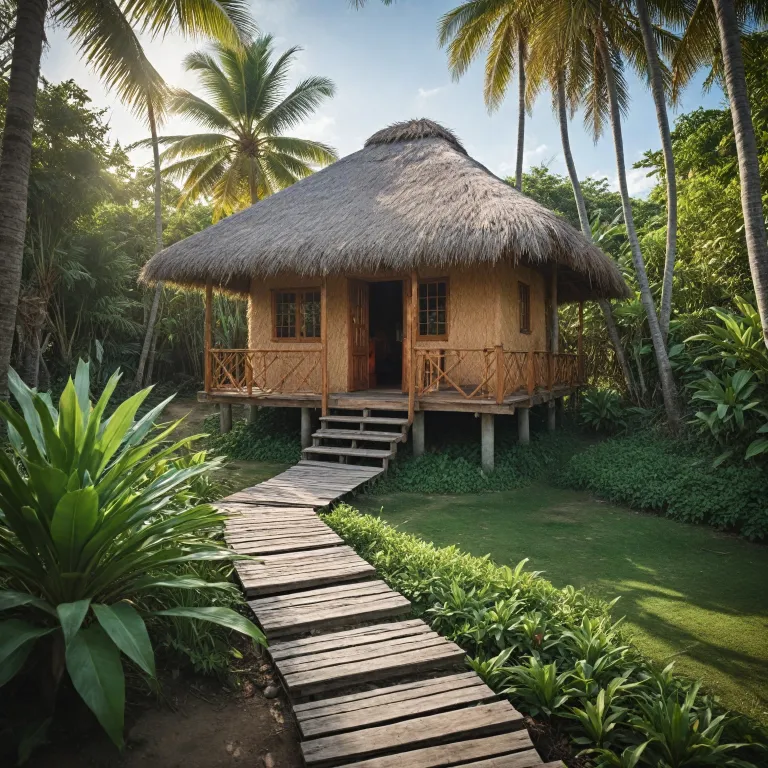
Eco inspired elegance: how Casitas de Caña meets Dominican luxury
Casitas de Caña began as a sustainable construction company in Lima, yet its philosophy speaks directly to refined travel in the Dominican Republic. For travellers comparing a villa or a casa in Casa de Campo or Casa Cana, the idea of an elegant retreat built with renewable materials is increasingly compelling. High end guests now expect a suite with a generous shower and a king size bed, but they also look for a story of responsibility behind every wall.
In Peru, Casitas de Caña has shown how sugar cane can shape modular homes that reduce emissions while remaining stylish and comfortable. That same mindset translates naturally to a Caribbean escape in the Dominican Republic, where a pool facing bedroom and a quiet campo landscape can coexist with low impact design. When you evaluate rates for a bedroom king or a family suite, it becomes relevant to ask how the casa was built, how the bathroom and toilet conserve water, and how air conditioning is balanced with natural ventilation and a ceiling fan.
The company’s work with solar panels, rainwater systems, and ecological materials offers a blueprint for future luxury stays. “La caña de azúcar es un material renovable, ligero y con buenas propiedades aislantes, lo que la hace ideal para la construcción ecológica.” In practice, that means a villa or several casas can remain cool, quiet, and energy efficient through the night, even when guests return late from a beach club dinner or a round on a nearby golf course.
Designing a casitas de caña style stay in the Dominican Republic
When you search for casitas de caña inspired accommodation in the Dominican Republic, focus on how architecture interacts with the tropical climate. A thoughtfully planned villa or casa should orient each bedroom toward natural breezes, using cane, wood, and stone to keep the suite cool before air conditioning is even needed. This approach reduces energy use while keeping guests comfortable after a long shower or a swim in the pool.
Look for properties that echo Casitas de Caña principles, such as modular layouts and shaded terraces that extend the bedroom into the garden. In a refined campo resort near Casa de Campo or Casa Cana, this might mean a bedroom king opening directly to a veranda, with a ceiling fan above the bed and cross ventilation that limits reliance on mechanical cooling. The bathroom should feature water saving fittings, a well ventilated toilet, and a hair dryer positioned safely away from humidity, all while maintaining a premium feel.
Wellness focused travellers can pair this design ethos with a dedicated spa experience at one of the region’s leading luxury spa resorts in the Dominican Republic. There, a suite often combines a private pool, a serene campo view, and a bathroom that feels like a sanctuary rather than a purely functional space. “Sí, con el tratamiento adecuado, las viviendas de caña de azúcar pueden ser tan duraderas como las construidas con materiales tradicionales.” This reassurance matters when you choose a casa for an extended stay, a special christmas year gathering, or several nights of remote work by the Caribbean sea.
From Lima to La Romana: sustainability lessons for Caribbean villas
Casitas de Caña operates from Lima, yet its sustainable methods offer clear guidance for villa owners and travellers in La Romana and beyond. In both destinations, guests want a comfortable casa with a spacious bedroom, a reliable shower, and a king size bed, but they also value low impact living. By applying bioconstruction techniques, a Caribbean property can echo the same efficiency that Casitas de Caña achieves in Peru.
For travellers comparing booking options in Casa de Campo or another campo resort, it helps to understand how materials influence comfort. Cane based structures can insulate a bedroom king more effectively, allowing the ceiling fan and air conditioning to work together rather than compete. This balance keeps the bathroom and toilet pleasantly cool, even when several guests share the suite after a hot afternoon on the golf course or at Minitas Beach.
Those seeking refined quiet may prefer adults only environments, such as the premium retreats highlighted in this guide to adults only premium hotels in the Dominican Republic. In such settings, a villa or casa can integrate cane, stone, and timber to create a tranquil campo atmosphere that feels both exclusive and grounded. “Puedes contactar directamente a la empresa a través de su sitio web o correo electrónico para obtener información sobre disponibilidad y procesos de adquisición.” That same direct, transparent communication should guide your hotel booking, from clarifying the night minimum to confirming whether rates include access to facilities like the equestrian center or shooting center.
Understanding rates, night minimums, and value at Casa de Campo
Luxury travellers evaluating casitas de caña style stays in Casa de Campo or Casa Cana should look beyond the headline price per night. Published rates are often labelled as rates subject to change, especially around peak periods such as christmas year holidays or major golf tournaments. A villa with a private pool, multiple bedroom king suites, and direct access to a golf course will naturally command a higher price than a smaller casa set further inland.
When you review booking conditions, pay attention to the night minimum, which can vary between two and seven nights depending on season. A longer stay often unlocks more favourable rates, particularly if you are travelling with several guests who will share the casa and its facilities. Clarify whether the quoted price includes daily housekeeping, access to Minitas Beach, and use of resort amenities like the equestrian center, shooting center, or beach club.
It is also wise to compare the value of a villa against a high end hotel within the same campo resort. A private casa may offer a full kitchen, a generous bathroom with separate shower and toilet, and a bedroom that opens directly to the garden, while a hotel suite might include enhanced restaurant access and spa privileges. For a deeper sense of what premium all inclusive stays can provide, consult this overview of refined indulgence at Dominican Republic all inclusive premium hotels. In both cases, consider how the design reflects Casitas de Caña values, from energy efficient air conditioning to thoughtful use of cane and other renewable materials.
Experiencing campo life: golf, culture, and Caribbean landscapes
Staying in a casitas de caña inspired villa within Casa de Campo or a similar campo resort places you at the heart of Dominican leisure culture. Golf is a central attraction, with legendary Pete Dye courses drawing players who appreciate both challenging layouts and sweeping Caribbean views. After a day on the fairways, returning to a cool bedroom king with a powerful shower, quiet ceiling fan, and efficient air conditioning feels especially rewarding.
Beyond golf, the region offers a rich mix of activities that complement a sustainable stay. Guests can ride at the equestrian center, try clay shooting at the shooting center, or spend an unhurried afternoon at Minitas Beach before dining at a waterfront restaurant. In the evening, a stroll through Altos Chavón reveals cobbled lanes, art galleries, and an amphitheatre, all framed by views over the Río Chavón and the surrounding campo.
Families and groups often appreciate how a villa or casa allows them to share common spaces while still enjoying private bedrooms and bathrooms. A well designed casa can feature multiple suites, each with its own toilet, shower, and hair dryer, ensuring comfort even when several guests stay through the night. While playful phrases like dog golf or teeth dog sometimes appear in casual conversations about resort life, the real focus remains on thoughtful design, fair rates subject to clear policies, and a booking process that respects both the environment and the expectations of discerning travellers.
Practical tips for booking a casitas de caña inspired stay
When planning a casitas de caña style holiday in the Dominican Republic, start by defining your priorities in terms of space, amenities, and sustainability. Decide whether you prefer a standalone villa with its own pool and garden, or a casa within a larger campo resort that offers easier access to a beach club, restaurant options, and shared facilities. Consider how many guests will join you, how many bedroom king suites you require, and whether each bathroom needs a separate shower and toilet.
Next, examine how closely each property aligns with the principles championed by Casitas de Caña in Peru. Look for references to renewable materials, efficient air conditioning supported by a ceiling fan, and water saving fixtures in every bathroom. Ask whether the casa or villa uses solar energy, how waste is managed, and whether the design takes advantage of natural breezes, especially if you plan to stay through the hotter months or over the busy christmas year period.
Finally, scrutinise the fine print around price, night minimum, and what the rates actually include. Confirm whether access to the golf course, equestrian center, shooting center, and Minitas Beach is bundled or charged separately, and whether housekeeping is daily or limited. If you travel with pets, clarify any rules that might affect a playful dog on the terrace, even if light hearted expressions like teeth dog or dog golf are more humorous than official. By combining careful booking research with an appreciation for sustainable design, you can enjoy a refined Caribbean escape that honours both the land and the legacy of Casitas de Caña.
Key sustainability statistics related to Casitas de Caña
- Estimated reduction of CO₂ emissions per cane based home constructed : 30 % compared with conventional housing.
- Average cost of an ecological cane home built by Casitas de Caña : 15 000 USD, positioned as an accessible option for many families.
- Average construction time for a standard Casitas de Caña dwelling : approximately 3 months from groundworks to handover.
Essential questions about Casitas de Caña and sustainable stays
What advantages does sugar cane offer as a construction material for hospitality projects ?
Sugar cane is a renewable, lightweight material with strong insulating properties, which helps keep interiors cool in warm climates like the Dominican Republic. When used in villas or casas, it can reduce reliance on air conditioning while maintaining comfort for guests. This makes it particularly attractive for eco conscious campo resorts that want to align luxury with lower environmental impact.
Are homes and villas built with sugar cane durable enough for long term use ?
With proper treatment and construction techniques, cane based structures can be as durable as those built with more traditional materials. Casitas de Caña has demonstrated this resilience in Peru, where its homes withstand varied weather while remaining comfortable and efficient. The same principles can be applied to Caribbean villas, ensuring that a bedroom, bathroom, and shared spaces remain robust for many seasons of guest stays.
How can travellers engage with the Casitas de Caña philosophy when booking accommodation ?
Travellers can ask property managers about the materials and energy systems used in their villa or casa, favouring those that incorporate renewable resources and efficient design. They may also choose to visit communities built by Casitas de Caña in Peru, or support Dominican properties that adopt similar methods. By prioritising such stays in their booking decisions, guests encourage more resorts to blend luxury with genuine sustainability.