The new face of sustainable luxury in the Dominican Republic
On the northeast coast of the Dominican Republic, sustainable luxury is no longer a niche promise but the new competitive edge. As the country adds thousands of rooms, every high-end coastal project is forced to show how romance, comfort and conservation can coexist. For couples planning a stay in the Dominican Republic, the question is simple yet sharp: which resort will actually protect the coastline you came to admire.
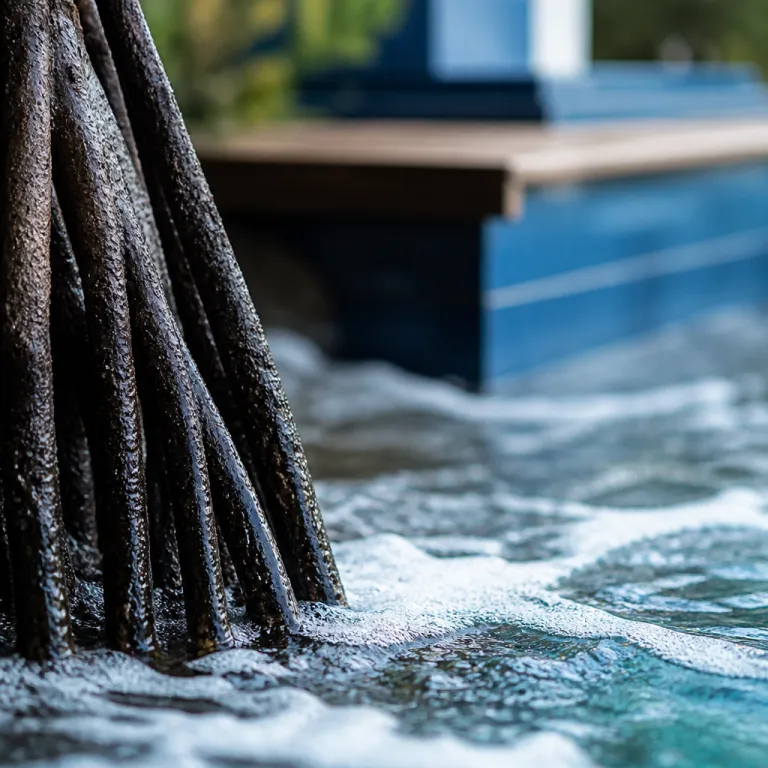
The tension is clearest where mangroves meet mega projects, because these trees are the living seawalls of the Caribbean. In a typical resort, development pushes right to the sand, but the most ambitious hotels now treat mangroves as core infrastructure rather than expendable scenery. That shift is reshaping the image of luxury tourism, especially in corridors like Miches and the Samaná Peninsula where natural beauty still feels largely intact.
Across the country, eco tourism has grown strongly, and about a third of hotels report some level of sustainable practice according to the Ministry of Tourism. Yet a “green” or “eco-chic” claim can mean anything from towel reuse to full scale habitat protection, so travelers need sharper questions. When you book, ask how the resort will manage water, energy and waste, and how many hectares of natural vegetation remain untouched within the property.
Certification programs add another layer of complexity for guests who want reassurance. Labels such as Green Key or EarthCheck can signal serious audits, but they can also be used as marketing shortcuts when development pressure is intense. A credible coastal eco-luxury project treats certification as a baseline, then goes further with transparent data, on-site conservation teams and clear reporting about coastal buffers.
For couples used to classic Caribbean all inclusives, this new generation of resort offers a different experience. You still get the infinity pool and the polished service, but you also walk raised boardwalks through mangroves, kayak over seagrass and hear about coral reef restoration instead of just sunset cocktails. If you want a deeper briefing on how luxury booking platforms are filtering these properties, the guide to sustainable luxury hotel booking websites in the Dominican Republic is a useful next read.
Moon Palace’s vertical model and the mangrove buffer
Moon Palace is better known for its Mexican flagship, yet its conservation playbook is shaping how developers think about a premium resort on a mangrove-backed shoreline. The group reports operating a nature reserve of roughly 315 hectares at its Cancún complex, where a coastal mangrove belt of several hundred metres and more than 228,000 square metres of natural vegetation have been preserved despite thousands of rooms, according to internal environmental documents shared with prospective partners. That experience is now a reference point for planners in the Dominican Republic who are weighing how tall towers and tight footprints can protect fragile shorelines.
The logic is straightforward: build up, not out, and let the mangroves breathe. An 18 story vertical design concentrates rooms in twin towers, so the resort will occupy less ground and leave a wider green buffer between buildings and the sea. Elevated wooden walkways cross wetlands in open air, allowing water to flow naturally under the structures while guests move from lobby to beach without trampling roots.
In practice, this model treats mangroves as a living national-park-style barrier rather than a swamp to drain. The trees filter runoff before it reaches coral reefs, soften storm surges and create nurseries for fish that later populate nearby reefs and seagrass beds. For couples, the result is a more natural experience: you kayak through shaded channels at sunrise, then return to a high rise suite with full resort comforts.
Moon Palace’s conservation team uses biodiesel powered machinery and sand sifting technology to maintain beaches without stripping away the ecosystem. They also work with agencies such as Mexico’s National Commission of Natural Protected Areas (CONANP) to refine restoration methods and monitor wildlife in their Cancún reserve. As one internal explainer puts it without embellishment, “What is Moon Palace's nature reserve? A 315-hectare area for conserving mangroves and wildlife.”
For travelers comparing large beachfront hotels, the lesson is clear. When a Dominican resort claims to protect wetlands, ask how many metres of mangroves remain untouched, and whether any boardwalks or piers are raised to maintain natural water flow. Serious properties will share maps, explain how consent for development was obtained and show how their design reduces pressure on the coastline.
Miches and Playa Esmeralda: low density promises on an empty coast
Drive east from Punta Cana and the road thins, the billboards fade and the Miches corridor begins to feel like a different republic. Here, the conversation is not about retrofitting old complexes but about how to build almost from scratch. Playa Esmeralda, where Zemi Miches sits, is still largely free of mass tourism, which makes every new resort decision carry extra weight.
Zemi Miches positions itself as a low density development on a coastline of dunes, mangroves and tropical trees. With around 500 rooms planned along a long, pale arc of sand, according to early developer briefs, the resort will test whether generous spacing, open air circulation and careful lighting can keep the night sky dark and the turtle nests undisturbed. The design leans on natural materials and soft landscaping, aiming to blend the buildings into the dunes rather than dominate the horizon.
This stretch of the Dominican Republic is also where Four Seasons Tropicalia and Club Med have staked claims, turning Miches into a live case study in cumulative impact. One carefully planned eco resort might manage its footprint well, but three or four properties in sequence can still overload aquifers, wetlands and coral reefs if infrastructure is not coordinated. Couples booking here should ask how each resort participates in shared wastewater treatment, mangrove monitoring and reef friendly boating rules.
Certification programs such as Green Key or EarthCheck can help, but they do not automatically solve the development puzzle. They evaluate energy use, water management and community engagement, yet they rarely account for what happens when several certified resorts cluster on one bay. For a more grounded look at small scale alternatives that keep density low, the profile of Casitas de Caña and similar sustainable Caribbean stays offers a useful counterpoint.
In Miches, the real test will be whether resorts leave continuous mangrove corridors instead of isolated pockets. A truly responsible coastal development here links its green zones with neighbouring properties, so wildlife can move and water can drain during storms. When you plan a stay in the Dominican Republic along this coast, look for master plans that show connected wetlands, not just pretty marketing images of palm lined pools.
Samaná, national parks and the eco alternative to mega projects
While Miches experiments with carefully spaced towers, the Samaná Peninsula offers a different template for a nature-focused luxury stay. Here, the drama comes from steep hills, dense forest and a coastline punctuated by national park boundaries rather than endless hotel strips. Couples who prefer intimacy over spectacle often gravitate to Samaná for its mix of eco lodges, small resorts and wild excursions.
Los Haitises National Park, facing Samaná Bay, is the region’s ecological anchor with its limestone islets, caves and mangroves. Locals sometimes refer to it as Haitises National, and boat trips weave through narrow channels where trees lean over the water and birds nest above. From January to March, humpback whales arrive in the bay, turning every whale watching outing into a reminder that this is still a living, breathing marine corridor.
Nearby, Cayo Levantado and the beaches west of Samaná town host a handful of hotels that try to balance comfort with restraint. Many properties use open air lounges, natural ventilation and low rise design to reduce energy demand, while some channel part of their revenue into coral reef restoration or trail maintenance near the Limón Waterfall. For couples, the mangrove and estuary experience here often means trading a vast spa complex for a quiet plunge pool under trees and a guided kayak through shaded waterways.
Southwest in Barahona, small scale eco properties push the idea further, with rainwater capture, solar power and strict limits on new construction. These are not mega resorts, but they set a benchmark for what Dominican eco tourism can look like when density stays low and local communities lead development decisions. If you want your stay in the Dominican Republic to support that model, ask how many rooms the property has, how it manages waste and whether it partners with local guides for national park excursions.
Across Samaná and Barahona, the strongest message is that a high-end nature retreat does not always require a massive footprint. You can still enjoy refined dining, attentive service and curated excursions while sleeping in a property that feels more like a coastal retreat than a cruise ship on land. The trade off is fewer on site restaurants and a shorter spa menu, but a far richer connection to natural beauty.
How to read “sustainable” claims when you book
For many couples, the hardest part of planning an eco-conscious Dominican escape is decoding the language on booking pages. Words like eco, natural and responsible tourism appear everywhere, yet they rarely explain what happens behind the scenes. A sharper reading of these claims will help you choose properties that genuinely protect the coast rather than just talk about it.
Start with the basics: ask for numbers, not adjectives. How many hectares of mangroves remain untouched on site, and how wide is the buffer between the last room and the high tide line. Does the resort publish data on water use, energy sources and waste treatment, or does it rely on vague references to green initiatives and community projects.
Next, look at design choices that shape your daily experience. Are walkways raised above wetlands to protect roots, and are rooms oriented to catch breezes so air conditioning can be reduced. A serious coastal eco resort will also limit night lighting near the beach, both to protect turtles and to keep the stars visible from your balcony.
Certification can be a useful filter, but it should not be the only one. Green Key, EarthCheck and similar programs assess criteria such as energy efficiency, staff training and community engagement, yet they do not always capture the full impact of large scale development on mangroves and coral reefs. When in doubt, email the property with specific questions and see how detailed the answers are, because transparency is often the best indicator of real commitment.
Finally, remember that your choices on site matter as much as the booking itself. Choose reef safe sunscreen, respect boardwalks through wetlands, and support local guides for trips to places like Los Haitises or the Limón Waterfall instead of anonymous mass tours. If you want more guidance on which properties justify premium rates in peak months, the analysis of peak season bookings and standout Dominican properties offers a useful benchmark.
Digital journeys, cookies and consent in sustainable booking
Sustainability in the Dominican Republic now extends beyond the beach and into the way you book your stay. A truly responsible travel experience starts on the website, where transparent data practices matter as much as transparent water. When you see banners asking for consent to cookies, you are looking at the digital side of responsible tourism.
Most serious booking platforms explain why they use cookies and how long they keep your data. Functional cookie settings help the site remember your language and dates, while analytics cookies track which pages you visit so teams can refine content about eco practices, national park access and whale watching seasons. The key is that you should be able to give or withdraw consent to cookies easily, without losing access to essential information about resorts.
On a well designed platform, the image of sustainability is backed by clear explanations of how hotels are vetted. You might see filters for eco certifications, mangrove protection, coral reef programs or partnerships with local guides in Samaná Bay and Los Haitises. When a listing describes itself as a nature-positive coastal property, it should link to concrete actions such as reduced plastic use, greywater treatment and support for humpback whale research between January and March.
For couples, this level of detail turns a simple search into a curated experience. You can compare how different resorts handle development near trees and wetlands, whether they offer open air lounges instead of fully sealed, air conditioned halls, and how they balance privacy with access to natural beauty. Over time, the data generated by these choices will push more hotels to raise their standards, because bookings tend to flow toward properties that back their promises with evidence.
In the end, the same principle applies online and on the shoreline. Whether you are managing consent cookies on a booking page or walking a raised boardwalk through mangroves, you are choosing how much impact your stay in the Dominican Republic will have. The more you ask, compare and question, the more likely it is that the next generation of resorts will treat conservation as their core design brief, not an optional extra.
FAQ
What makes a mangrove focused resort more sustainable than a typical beach hotel
A mangrove focused property preserves a living buffer between buildings and the sea, which protects shorelines from erosion and storm surges. These resorts usually raise walkways, limit dredging and manage runoff so that wetlands and nearby coral reefs remain healthy. For guests, that means a quieter, more natural experience and a coastline that is more likely to look the same on future visits.
How can I verify that a resort’s sustainability claims are real
Ask for specific data on energy use, water treatment and the size of protected areas on site. Serious properties will share maps of mangrove zones, explain wastewater systems and reference independent certifications such as Green Key or EarthCheck. If the answers stay vague or purely promotional, it is a sign to consider another option.
Why are Miches and Samaná often highlighted for eco conscious stays
Miches and the Samaná Peninsula still have large stretches of coastline without dense development, which makes conservation easier to integrate from the start. In Miches, new resorts are experimenting with low density layouts and wide green buffers, while Samaná benefits from the presence of Los Haitises National Park and protected whale breeding grounds. Both regions offer strong opportunities for guided nature experiences alongside premium accommodation.
When is the best time to see humpback whales near the Dominican Republic
Humpback whales gather in Samaná Bay during the first months of the year, with the most reliable sightings typically between January and March. Licensed operators run small boat trips that follow strict distance rules to avoid disturbing the animals. Choosing a responsible operator ensures both a memorable outing and minimal impact on the whales’ breeding behaviour.
What should couples ask before booking a so called eco resort
Couples should ask how many rooms the property has, how it manages waste and whether it supports local conservation or community projects. It is also worth checking if the resort limits construction near dunes and mangroves, and whether it offers low impact activities such as kayaking, guided hikes or reef friendly snorkeling. Clear, detailed answers usually indicate a stronger commitment than generic green marketing language.
Sources
Ministry of Tourism of the Dominican Republic; Green Key Global; National Commission of Natural Protected Areas (CONANP, Mexico).