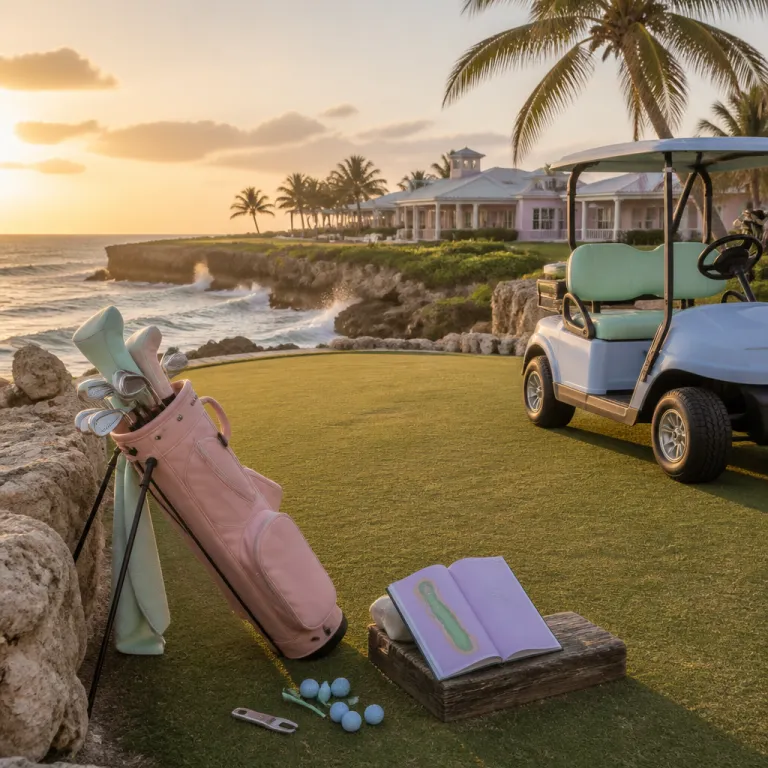
Why the Dominican Republic is the Caribbean’s most complete golf playground
The Dominican Republic has quietly built the most complete golf ecosystem in the Caribbean. For a traveler choosing among luxury golf resorts in the Dominican Republic, the question is no longer whether to play golf, but how many courses you can realistically fit into a five night stay. The island’s best golf experiences pair world class design with white sand beaches, serious resort club service and direct access to the Caribbean Sea.
From La Romana to Punta Cana, the republic offers a chain of coastal enclaves where golf courses shape the rhythm of the day. Teeth of the Dog at Casa de Campo, Corales Golf Course at Puntacana Resort and Club, and Punta Espada at Cap Cana are not just individual golf course highlights, they anchor entire resort ecosystems built for golfers who travel with families, partners or clients. This is where a single golf round becomes the spine of a wider itinerary that folds in beach club lunches, spa time and discreet business conversations over rum at sunset.
What sets the Dominican golf resort scene apart is density and variety within short driving distances. You can wake up on the Caribbean coast in Casa de Campo, play Teeth of the Dog in the morning, then add Dye Fore in the afternoon without leaving the same resort, while your non golfing partner alternates between the beach and the marina. The same logic applies in Punta Cana, where La Cana Golf Course, Corales Golf and nearby Bavaro layouts create a cluster of courses that justify a dedicated luxury golf stay rather than a casual day trip from a generic all inclusive.
Teeth of the Dog and Casa de Campo: where a course becomes a full resort strategy
Teeth of the Dog at Casa de Campo is the course that changed the island’s golf narrative. Designed by Pete Dye and opened in the early seventies, it threads seven unforgettable holes along the Caribbean Sea, with waves crashing just beyond the white sand and coral rock that frame the fairways. It is consistently ranked as the best golf layout in the Caribbean by publications such as Golf Digest and Golf Magazine, with Golf Digest including it in its 2023 “World’s 100 Greatest Golf Courses” list, and green fees that hover around premium levels (often in the mid to high US$300s for resort guests as of 2024) reflect that status while still feeling justified when you see the first oceanfront par three.[1][2]
Building a three to five day stay around Casa de Campo means thinking in terms of courses, not just a single round. Teeth of the Dog is the headline, but the Dye Fore layout, also by the Dye design family, adds dramatic cliff top holes above the Chavón River, while the inland Links course offers a gentler walking day for mixed ability groups. This trio allows serious golfers to rotate between different golf courses, while the wider Casa de Campo resort club infrastructure, from the marina to the equestrian center, keeps non golfers engaged without ever feeling like an afterthought.
The resort’s caddie culture is another reason to treat this as a base rather than a one off visit. Local caddies know every bounce on Teeth of the Dog, every wind shift on Dye Fore and every subtle break on the inland greens, which matters when you are chasing your personal best golf score on a once in a lifetime trip. Off the course, Casa de Campo’s beach club and waterfront restaurants turn each afternoon into a relaxed Caribbean ritual, and if you want to contrast polished resort life with wilder shores, you can always plan a later escape to the unscripted south west using a stay along the Dominican south west coast where luxury meets the wild Caribbean as a counterpoint.
Corales, La Cana and the Punta Cana corridor: building a golf first itinerary
The Punta Cana corridor has become shorthand for mass tourism, but for golfers it is a precision instrument. Corales Golf Course at Puntacana Resort and Club, a Tom Fazio design stretching over about 7,670 yards from the back tees according to the official 2024 scorecard, stages a PGA Tour event and carves six holes along ocean cliffs that feel more like a private amphitheater than a resort track.[3][4] When you stay inside Puntacana Resort, you trade shuttle buses for golf cart commutes, early tee times and the ability to walk from your suite to the first tee in minutes.
La Cana Golf Course, designed by P. B. Dye, sits within the same Puntacana Resort footprint and offers three distinct nines, several of them brushing the Caribbean Sea with generous fairways and forgiving greens. For many travelers, La Cana golf layouts provide the ideal warm up before tackling the more exacting Corales Golf routing, especially if you are arriving from a winter climate and need a day to recalibrate your swing. Together, Corales and La Cana form the core of a Dominican Republic golf vacation that can easily stretch to four days when you add spa time, a beach club afternoon and a dinner circuit through the village restaurants.
Beyond the gates, the wider Punta Cana and Bavaro area adds more golf courses to the mix, from inland resort club designs to semi private golf club options that welcome visiting players. This is where smart use of Punta Cana golf packages matters, because bundled green fees and transfers between Punta Cana courses can significantly streamline logistics for a small group. As a planning benchmark, allow around 20 to 30 minutes by road between most Punta Cana and Cap Cana courses, and expect peak season green fees at the headline layouts to sit in the high three figure range (often US$250–US$400 per round in 2024), with lower rates at secondary courses when booked through resort or tour operator packages.
Punta Espada, Cap Cana and the art of the oceanfront golf stay
Cap Cana, just south of the main Punta Cana strip, is where the island leans fully into the oceanfront fantasy. Punta Espada, a Jack Nicklaus signature course, wraps eight holes directly along the Caribbean Sea, with fairways that seem to pour into the surf and greens perched above rocky coves.[5] It is frequently cited among the world’s best resort courses by rankings such as Golfweek’s 2023 “Best Courses You Can Play” lists, and for good reason, because every tee box feels like a cinematic frame.[6]
Staying in Cap Cana means structuring your days around Punta Espada’s tee sheet and the rhythm of the tides. Morning rounds catch softer light and calmer winds, while late afternoon golf can be spectacular but more demanding as breezes pick up along the Punta headlands, which is why many regulars alternate between early starts and twilight nine hole walks. Off the course, the marina, the beach club scene and a growing padel and pickleball infrastructure create a social fabric that appeals to business leisure travelers who want more than just another pool bar.
Cap Cana also works well as a pivot point for exploring other Dominican golf resorts without changing hotels every night. You can schedule a day at Corales Golf or La Cana Golf Course via private transfer, then return to your Cap Cana base for dinner and meetings. For those who like to compare Caribbean destinations, Punta Espada’s ocean exposure and conditioning stand comfortably alongside the likes of Sandy Lane in Barbados or Royal Isabela in Puerto Rico, while the density of nearby courses gives the Dominican Republic a clear edge for travelers who want multiple championship level rounds in a single week.
Beyond the headliners: La Romana, Bavaro and emerging eco golf
While Teeth of the Dog, Corales and Punta Espada dominate the conversation, the supporting cast is what makes the Dominican Republic such a strong golf destination. In La Romana, the broader Casa de Campo complex offers not only Dye Fore and the Links, but also easy access to the town’s marina and regional airports, which simplifies multi stop itineraries that combine golf with meetings in Santo Domingo. Bavaro, closer to the main Punta Cana hotel strip, layers in more accessible golf courses that suit mixed ability groups and corporate outings.
On the north coast, Playa Grande Golf Course, originally laid out by Robert Trent Jones Sr., delivers ten holes with ocean views and a more secluded, almost cinematic setting.[7] Here, the focus is less on a busy resort club atmosphere and more on pairing a single dramatic golf course with a quiet, high touch stay, which appeals to executives who want to unplug after a week of negotiations in the capital. Looking ahead, the Greg Norman Eco Signature Course at Moon Palace signals a shift toward layouts that integrate more deliberately with local ecosystems, using sustainable maintenance methods and routing that respects coastal vegetation.[8]
These emerging and secondary courses matter when you are planning a Dominican Republic golf circuit that lasts longer than a long weekend. They allow you to alternate between the intensity of Teeth of the Dog or Corales Golf and gentler days where the emphasis is on scenery, walking and long lunches by the Caribbean Sea. If you are curious about layering in cultural texture, consider starting or ending your trip with a night in the capital’s heritage quarter, using our guide to where to stay in Zona Colonial as a roadmap for heritage properties that contrast beautifully with the resort enclaves.
Logistics, caddies and how to actually book the right stay
Planning a golf focused trip to the Dominican Republic starts with timing. The dry season, broadly from December to April, offers optimal conditions, which means firmer fairways, more predictable winds and fewer interruptions from passing showers during your key golf course rounds. For a luxury golf resort itinerary, that translates into more reliable tee times and better value from higher green fees at Teeth of the Dog, Corales Golf and Punta Espada.
Booking strategy matters as much as swing mechanics. Affiliated resorts such as Casa de Campo and Puntacana Resort and Club offer golf packages that bundle accommodation, guaranteed tee times, cart use and sometimes caddie fees, which can simplify budgeting for a small group or corporate retreat. The official guidance from resort booking teams is clear on this point; “Book tee times in advance”, “Stay at affiliated resorts for package deals”, “Visit during dry season for optimal conditions” — and in practice, that means confirming your preferred courses before locking in flights and aiming to reserve prime morning slots several weeks ahead during peak months.
Caddie culture is a defining part of the experience at the top Dominican layouts. At Teeth of the Dog and Dye Fore, veteran caddies read the wind off the Caribbean Sea, advise on club selection into the ocean holes and keep pace of play smooth even for mixed ability foursomes. At Corales Golf and La Cana Golf Course, local caddies help visiting players navigate the subtleties of trade winds that shift between morning and afternoon, which can be the difference between a career round and a frustrating day when you are chasing your best golf on a tight schedule.
Beyond golf: padel, pickleball and how the DR compares to regional rivals
For business leisure travelers, a luxury golf resort stay in the Dominican Republic rarely revolves around golf alone. The same resorts that anchor the island’s best golf courses are now investing heavily in padel courts, pickleball facilities and upgraded fitness centers, recognizing that executives increasingly travel with rackets and running shoes alongside their clubs. At Puntacana Resort, Casa de Campo and Cap Cana, it is now common to see guests splitting their days between a morning golf course round and late afternoon padel matches under lights.
Compared with regional rivals, the Dominican Republic’s proposition is unusually complete. Jamaica offers the historic Tryall Club and a handful of scenic resort layouts, Puerto Rico brings dramatic clifftop golf at Royal Isabela and Barbados has the prestige of Sandy Lane, but none match the Dominican combination of Teeth of the Dog, Corales Golf, Punta Espada and the supporting cast of La Cana, Dye Fore and Playa Grande within one country.[9][10] For a traveler who wants to play three or four world class courses in a single week without long inter island flights, the republic simply makes more logistical and financial sense.
Off the course, the island’s hospitality culture adds a layer that pure scorecard comparisons miss. You can finish a round at Teeth of the Dog, shift to a barefoot lunch at the beach club, then head into La Romana or Santo Domingo for a colmado side view of merengue culture that reminds you this is still the Caribbean, not a sealed resort bubble. That blend of serious golf, evolving sports infrastructure and real Dominican life is what turns a good golf trip into a stay you actually remember when the scorecards are long forgotten.
Key figures for Dominican Republic golf travel
- Teeth of the Dog at Casa de Campo is ranked number one in the Caribbean by outlets such as Golf Digest’s 2023 “World’s 100 Greatest Golf Courses”, underlining why many travelers build entire stays around this single course rather than treating it as a day trip target (source; Golf Digest rankings, Casa de Campo official rankings).[1][2]
- Corales Golf Course at Puntacana Resort and Club measures approximately 7,670 yards from the back tees on the 2024 scorecard, which makes it one of the longest and most demanding resort layouts in the region for low handicap players (source; official course scorecard and yardage pages).[3][4]
- Corales has hosted a PGA Tour event since it joined the schedule as the Corales Puntacana Championship in 2018, reinforcing the Dominican Republic’s status as a serious tournament destination rather than a purely leisure focused market (source; PGA Tour schedule and event history).[4]
- Teeth of the Dog features seven holes directly along the Caribbean Sea, while Punta Espada offers eight oceanfront holes, giving the Dominican Republic more true seaside golf than most competing Caribbean islands combined (source; course architectural records and official course descriptions).[2][5][6]
- Green fees at the top Dominican layouts typically sit in the high three figure range, often around US$250–US$450 in peak 2024 season, but golf packages that combine accommodation and multiple rounds can reduce per round costs significantly for stays of three nights or longer (source; resort booking data and published package examples).[2][3][5]
FAQ about golf focused luxury stays in the Dominican Republic
What is the best time to play golf in the Dominican Republic ?
The dry season offers optimal conditions, with lower rainfall, more consistent trade winds and firmer fairways that benefit both high and low handicap players. During this period, courses such as Teeth of the Dog, Corales Golf and Punta Espada can maintain peak conditioning from tee to green. Travelers planning a luxury golf resort stay in the Dominican Republic should target these months for the most reliable playing experience.
Are there golf packages available at Dominican luxury resorts ?
Yes, affiliated resorts including Casa de Campo and Puntacana Resort and Club offer structured golf packages. These typically bundle accommodation, guaranteed tee times on signature courses like Teeth of the Dog, La Cana and Corales Golf, plus carts and sometimes caddie services. For business leisure travelers, such packages simplify budgeting and ensure access to high demand tee slots during peak periods.
Do Dominican courses host professional tournaments ?
Several leading Dominican layouts host professional and elite amateur events. Corales Golf Course at Puntacana Resort and Club is a regular PGA Tour venue, which means visiting golfers can play the same routing used by tour professionals. Teeth of the Dog and other Casa de Campo courses also stage regional tournaments and corporate events, reinforcing the island’s reputation as a serious golf destination.
Which courses justify building a three to five day trip around golf ?
Teeth of the Dog at Casa de Campo, Corales Golf Course at Puntacana Resort and Club and Punta Espada at Cap Cana are the primary anchors for a multi day golf itinerary. Each offers multiple oceanfront holes, strong caddie programs and integrated resort club facilities that keep non golfers engaged. Adding Dye Fore, La Cana Golf Course and Playa Grande creates a circuit that can easily fill a week without repeating the same experience.
How does Dominican golf compare with Jamaica, Puerto Rico and Barbados ?
Jamaica’s Tryall Club, Puerto Rico’s Royal Isabela and Barbados’s Sandy Lane each offer standout courses, but they are more isolated within their respective islands. The Dominican Republic combines several world ranked layouts, including Teeth of the Dog, Corales Golf and Punta Espada, within relatively short transfers. For travelers who want multiple championship level rounds in one trip, the Dominican portfolio is generally more efficient and varied.