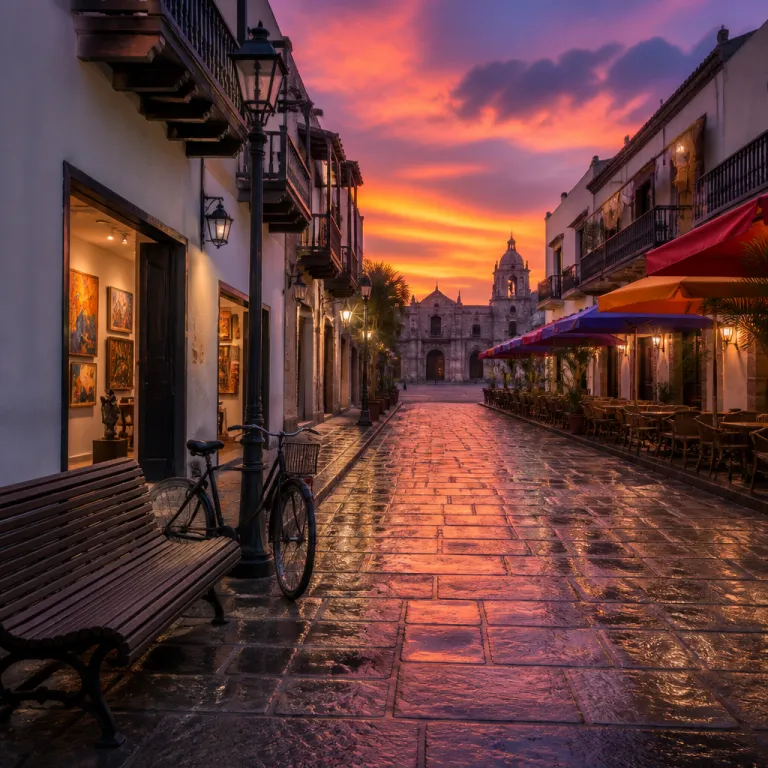
Why santo domingo cultural events july belong in every luxury itinerary
Most travelers land in the Dominican Republic and head straight to the sand. Yet the cultural events and July festivals in Santo Domingo quietly turn the capital into the country’s most layered stage for music, art and food. Spend one or two nights here and the festival scene can completely reframe your idea of a Caribbean break.
July in Santo Domingo means a month-long sequence of celebrations that showcase Dominican culture with real community energy. The Ministry of Tourism and local partners coordinate events that range from farm-to-table food fairs to the annual Festival de Merengue y Ritmos Caribeños along the Malecón, typically held in late July or early August and confirmed each spring on official calendars. These gatherings are designed to engage residents as much as visitors, showing the Dominican Republic’s history and culture in motion rather than as a static backdrop to a pool bar.
For luxury travelers used to Punta Cana or Puerto Plata resorts, the capital offers a different rhythm. You trade the hard rock soundtrack of mega properties for live music that spills from colmados and plazas, where dance traditions like merengue and bachata still act as social glue. The result is a colorful celebration of Dominican identity that feels both family friendly and sophisticated enough to anchor a premium stay.
Planning around Santo Domingo events in July requires a little strategy. Temperatures climb, so you build your days around air-conditioned museums, late lunches and shaded walks through the Zona Colonial. Nights belong to live music, food stalls, chilled drinks and the kind of friendly street life that makes even solo travelers feel part of the community.
From merengue festival nights to air conditioned galleries
The backbone of Santo Domingo’s July cultural calendar is the Festival de Merengue y Ritmos Caribeños on the seafront Malecón. Officially described as a multi-day event celebrating Dominican music and dance, it usually runs for about a week in late July or early August and turns the waterfront into a landmark party zone with stages, food vendors and families out late. Many performances are free, though premium viewing areas and VIP lounges suit travelers who prefer curated comfort.
Beyond the merengue celebrations, the calendar layers in smaller Dominican festivals that reward a more curious eye. Farm-to-city food fairs highlight regional dishes and drinks, while art exhibitions pop up in repurposed mansions and contemporary spaces across Santo Domingo. The Ministry of Tourism works with local artists and cultural organizations so that annual events feel rooted in community rather than staged for cameras from the United States or other visitor markets.
Daytime is for air-conditioned culture. The Museo de las Casas Reales and the Alcázar de Colón give a sharp reading of Dominican history, while the Museo de Arte Moderno and smaller galleries in the Gazcue district focus on top Dominican contemporary art. These spaces are ideal July refuges, pairing serious exhibitions with cafés where you can linger over coffee or light food between shows.
As the sun drops, the city shifts from galleries to live music. Skip the most obvious tourist stages and look for venues where jazz, bolero and acoustic sets share the bill with merengue and bachata, often with no cover or a modest, almost free entry. One local musician summed it up neatly: “In July, every night feels like a small festival somewhere in the city,” and you will hear everything from a tight jazz quartet to full bands that turn a quiet bar into a dance floor by midnight.
Zona Colonial evenings, rum bars and hotels that earn the detour
Zona Colonial is where Santo Domingo’s July cultural events feel most concentrated for the luxury traveler. Start with a slow walk along Calle Las Damas at dusk, when the stone facades cool and the city’s history feels almost cinematic. From there, you can pivot between rooftop restaurants, intimate rum bars and plazas where live music drifts in from nearby venues.
Billini Hotel, in the heart of the historic district, anchors one of the neighborhood’s most atmospheric rooftops, pairing refined Dominican food with views over tiled roofs and church towers. Casas del XVI offers a more private, residential take on luxury, ideal for guests who want a quiet base between festivals and late-night dance sessions. Hodelpa Nicolás de Ovando, set in a restored colonial residence on Calle Las Damas near the Ozama River, places you directly on the riverfront, close to both art spaces and the main arteries of the carnival-style street life that erupts during big festival weekends.
These properties understand that travelers drawn to Santo Domingo’s July events want more than a room. Concierges track which festivals are genuinely local, which jazz or small jazz-festival-style sets are worth a taxi, and where to find family friendly programming if you are traveling with children. They can also advise on when streets fill for a colorful celebration and when a quieter rum tasting or art opening might better suit your evening.
Nights often end in rum-focused bars that balance serious spirits lists with a friendly, unpretentious mood. You might start with a tasting flight that traces the history of Dominican rum, then slide into a corner where a trio plays live music so close you feel the percussion. It is a very different energy from a hard rock stage, yet just as charged, and it is exactly why a capital city night belongs in any Dominican Republic itinerary.
Linking santo domingo cultural events july with the coast
Many travelers still frame their Dominican Republic plans around Punta Cana or Puerto Plata, then treat Santo Domingo as an afterthought. That is a missed opportunity, because the city’s July festivals pair beautifully with a beach stay when you plan transfers with intention. Think of the capital as your cultural prologue or finale, not a rushed stopover between flights.
From Punta Cana, private transfers or scheduled services bring you to Santo Domingo in roughly two and a half to three hours, depending on traffic, while Puerto Plata sits further but connects via domestic flights and overland routes that usually take around five to six hours by road. A smart itinerary might start with two nights in the capital for festivals, art exhibitions and serious food, then move to the coast once you have absorbed the country’s culture and history. If you are weighing which shoreline suits you, this comparison of luxury stays in Punta Cana versus Puerto Plata offers a clear view of how each region complements a culture-heavy city break : Punta Cana vs Puerto Plata for luxury stays in the Dominican Republic.
Families often ask whether Santo Domingo cultural events in July are genuinely family friendly. The answer is yes, especially during daytime Dominican festivals that highlight food, community projects and art, though late-night concerts can be intense for younger children. Look for programming flagged as family friendly by organizers, and remember that many events are free or low cost, which makes it easy to sample several without committing your whole evening.
For travelers who have already done the coast, the capital becomes the main act. You might time your stay around a merengue festival weekend, then add side trips to emerging creative corridors on the north coast where small galleries and community projects echo the energy of Santo Domingo. Either way, the city’s July cultural events turn a standard beach holiday into a layered journey through Dominican culture, music, food and the kind of street-level hospitality that keeps you coming back.
FAQ
Are santo domingo cultural events july suitable for families ?
Yes, many Santo Domingo events in July are designed to be family friendly and attract local families as well as visitors. Daytime festivals often focus on food, community projects and art, with plenty of open space for children. Evening concerts can be louder and more crowded, so parents may prefer earlier shows or seated venues, and many families with younger kids head back to their hotel by around 10 p.m.
Do I need to buy tickets in advance for July festivals ?
Some Santo Domingo cultural events in July are free and open access, especially outdoor concerts and street fairs along the Malecón and in the Zona Colonial. Others, particularly seated performances or special exhibitions, may require advance tickets that can sell out quickly. It is wise to check official event pages or ask your hotel concierge to secure reservations before you arrive, especially for weekend shows.
What is the Merengue Festival in Santo Domingo ?
The Merengue Festival in Santo Domingo, officially known as the Festival de Merengue y Ritmos Caribeños, is a major cultural event that celebrates Dominican music and dance along the city’s seafront. It typically runs for several days with live music, food stalls and large crowds of locals and visitors. The atmosphere is festive but relaxed, and many performances are accessible without high ticket prices, with main stages usually set up near central stretches of the Malecón.
How should I dress for cultural events in July ?
July in Santo Domingo is hot and humid, so light breathable fabrics are essential for outdoor festivals. For museums, galleries and upscale restaurants, smart casual clothing works well, with a light layer for strong air conditioning. Comfortable shoes are important, because you will likely walk between venues and stand during concerts, and a small handheld fan or hat can make long evenings outdoors more comfortable.
Is it worth staying overnight in Santo Domingo just for the cultural scene ?
Staying at least one night in Santo Domingo is highly worthwhile if you care about culture, history and food. An overnight stay lets you experience the city’s July cultural events after dark, when live music, rooftop dining and street life are at their most atmospheric. It also gives you time to enjoy museums and galleries at a relaxed pace before or after evening performances, instead of rushing back to a coastal resort the same day.
Suggested trusted sources for further information : Dominican Republic Ministry of Tourism ; Oficina de Patrimonio Cultural de Santo Domingo ; official websites of major Santo Domingo museums.