Why Puerto Plata museums prove culture in the Dominican Republic goes north
Puerto Plata museums show that culture in the Dominican Republic is not confined to the capital. Along this Atlantic stretch of the Caribbean coast, colonial history, amber geology and contemporary art sit within a few kilometres of each other, shaping a dense cultural corridor for the independent traveler. For a solo guest booking a luxury stay, this means you can move from fortress walls to gallery openings in a single day without sacrificing comfort or calm.
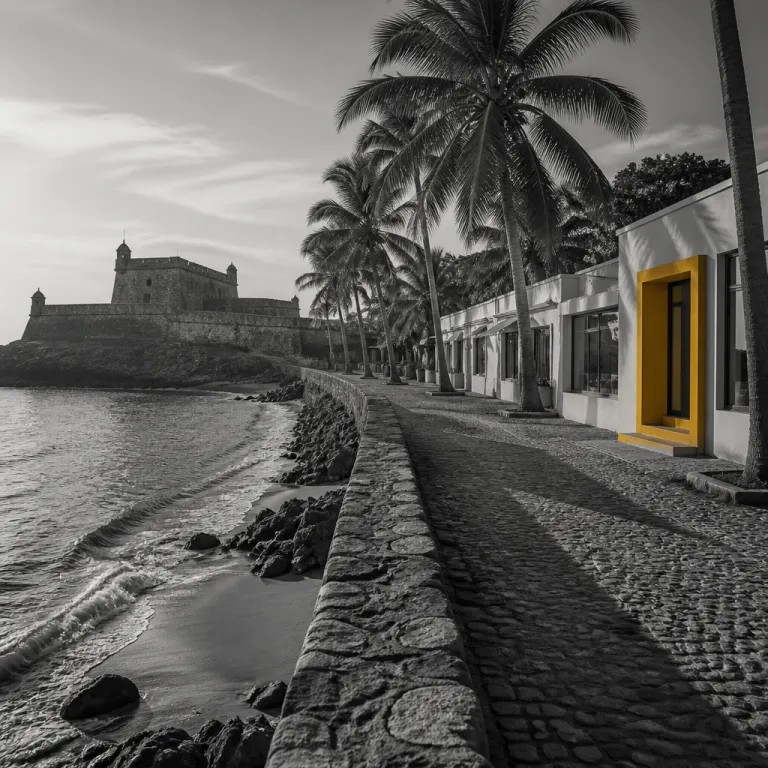
The city of Puerto Plata itself anchors this narrative, with the stone mass of Fortaleza San Felipe guarding the port and the pastel Victorian houses lining the Malecón. Here, the phrase “puerto plata museums culture dominican republic” becomes tangible, as small museum spaces, restored mansions and the ocean facing promenade connect the Spanish colonial past with present day Dominican life. Luxury hotels in the wider Puerto Plata Dominican region increasingly curate private guides and chauffeured car transfers, so you can focus on the stories rather than the logistics.
Staying on the Amber Coast also keeps you close to the beach while you explore museums, which is rare in the Caribbean where culture often hides inland. You might wake in a suite near Playa Dorada, step out for an early swim, then head into town for a morning at an amber museum before the cruise port crowds arrive. By late afternoon, when the light softens over the ocean, you can be in Cabarete, trading fortress cannons for canvases and planning your next ocean adventure over a quiet dinner.
Day one in Puerto Plata: fort, amber and a cable car to Isabel de Torres
Start your first day early at Fortaleza San Felipe, the compact stone fort that once guarded the plata puerto against pirates and rival empires. This felipe fortress, also known as fortaleza San Felipe, frames the broader story of the Dominican Republic as a Caribbean crossroads, with its cannons facing the ocean and its cells recalling the harsher side of colonial rule. Walking the ramparts takes less than an hour, but allow more time to read the displays and to place Puerto Plata museums within the longer arc of dominican republic history.
From the fort, follow the Malecón on foot or by short car ride into the historic centre, where the Museo de Ámbar Dominicano and Amber Gallery Puerto Plata sit within easy reach. Here you understand why the region is called the Amber Coast, as museum guides explain that “What is Dominican amber? Fossilized tree resin found in the Dominican Republic.” and that the age of Dominican amber reaches around fifteen million years. The amber museum experience is intimate rather than grand, yet the specimens — including rare blue amber and insects suspended in honey coloured resin — rival collections in far larger institutions.
After lunch near the port, shift perspective entirely by taking the cable car up Monte Isabel de Torres, rising from sea level to more than 700 metres in under ten minutes. This cable car ride is not just a scenic diversion ; it links the ocean and the mountains, showing how geography shaped both trade and defence in puerto plata. From the summit, with the Atlantic on one side and the green interior of the dominican republic on the other, you can trace your morning route from fort to museum and plan which museums Puerto Plata you will visit the next day.
Day two: museum trail, waterfalls and the art energy of Cabarete
Reserve your second day for a slower cultural loop that combines museums, soft adventure and the creative pulse of Cabarete. Begin again in puerto plata, revisiting the amber museum if you want a guided tour or continuing to smaller spaces such as the Amber Gallery Puerto Plata, where Larimar stones and Taíno artifacts sit beside contemporary jewellery. This is where the phrase attractions Puerto Plata becomes real, as you move between curated rooms and the street life outside, with the cruise port sending a gentle flow of day visitors through the centre.
By late morning, many solo travelers choose to raise the activity level slightly with a half day trip to the waterfalls of Damajagua, located inland from the main highway. These waterfalls Damajagua are a chain of natural pools and cascades, and while they are primarily an outdoor excursion, they also tell a story about how water shaped settlement patterns in the dominican republic. If you prefer to stay coastal, you can instead remain near Playa Dorada or another beach, balancing time between water sports and a second pass through museums Puerto Plata to absorb details you missed.
As the afternoon cools, head east by car to Cabarete, the laid back beach town that has evolved beyond its reputation for water sports into a small cultural hub. The Cabarete Art Gallery and several neighbouring spaces show how contemporary dominican artists interpret the same ocean, port and mountain landscapes you have seen, but through paint, sculpture and photography. Before returning to your hotel, walk the sand at playa Cabarete, watch kitesurfers carve the bay and feel how this ocean adventure energy feeds the art on the walls.
Choosing the right luxury base for a culture focused Amber Coast stay
For a culture led itinerary along the Amber Coast, your choice of hotel matters as much as your choice of museum. Many high end properties near Playa Dorada and along the Puerto Plata coastline now position themselves as gateways to puerto plata museums culture dominican republic, offering private drivers, timed entries and bilingual guides. If you prefer a more urban rhythm, a refined guesthouse or heritage style property in central Puerto Plata keeps you within walking distance of the amber museum, the Malecón and the cruise port.
Solo travelers often split their stay between the north coast and the capital, using a night in Santo Domingo to explore the Zona Colonial before heading to the beach. If that appeals, consider one of the heritage hotels highlighted in this guide to where to stay in Zona Colonial for a first night, then continue north to a quieter resort near playa Dorada or Cabarete. This two centre approach lets you compare the UNESCO listed museums of the capital with the more intimate puerto plata museums, deepening your sense of how the dominican republic presents its past.
When browsing options on a curated platform such as My Dominican Stay, look for properties that mention partnerships with local museums, guides or galleries. Some hotels on the Amber Coast now design packages that combine a cable car ascent to Isabel de Torres, a private tour of Fortaleza San Felipe and a gallery evening in Cabarete, often with transfers included. For a broader view of which addresses align with this cultural focus, consult the platform’s curated list of the best hotels in the Dominican Republic by traveler profile and filter for properties on the north coast.
Practical tips for navigating Puerto Plata culture as a solo traveler
Moving between puerto, plata and Cabarete is straightforward for an independent traveler, especially if your hotel arranges a private car. Distances are short — Puerto Plata to Cabarete is roughly 40 kilometres — so you can comfortably combine museums, a beach session and a sunset drink in one day. Taxis and hotel drivers are the most comfortable options, though experienced visitors sometimes rent a car to control their own schedule.
Within Puerto Plata itself, most key sites sit within a compact radius, making walking a pleasant way to connect the fort, the amber museum and the waterfront. The confluencia museum mentioned in some local guides is less a single institution than a sense of how history, geology and daily life converge in this port city, and you feel that confluence most clearly on foot. Wear comfortable shoes, carry small bills in Dominican pesos for entrance fees and keep an eye on opening hours, which can vary slightly between museums Puerto Plata and smaller galleries.
For those balancing culture with the ocean, remember that the north coast is still a classic Caribbean beach destination, with water sports, sailing and casual ocean adventure excursions available from most resorts. You can spend the morning tracing the walls of fortaleza San Felipe, the afternoon swimming off playa Dorada and the evening in Cabarete listening to live music between gallery visits. This blend of museums, port history and shoreline life is what makes puerto plata museums culture dominican republic such a compelling frame for a luxury stay.
Extending the trail: from the Amber Coast back to Santo Domingo
Once you have walked the ramparts of San Felipe and ridden the cable car to Isabel de Torres, you may feel tempted to complete the cultural arc by returning south to the capital. The dominican republic rewards this curiosity, as the road from puerto plata to Santo Domingo passes sugar fields, small republic San communities and glimpses of the interior that rarely appear in resort brochures. Many solo travelers use this transfer day as a moving classroom, asking drivers about local life and noting how the ocean gradually gives way to the urban sprawl of the capital.
Back in Santo Domingo, the contrast between the Amber Coast and the stone grid of the Zona Colonial sharpens your understanding of puerto plata museums culture dominican republic. A twilight walk along Calle Las Damas, perhaps guided by the insights in this piece on how a heritage walk can transform a Santo Domingo night, shows how the same Spanish legacy took different forms in port cities across the island. Where Puerto Plata leans toward Victorian facades and amber trade, the capital foregrounds monasteries, plazas and grand stone museums.
Returning north after such a detour, you will likely see the Amber Coast with new eyes, noticing how each museum, each beach and each port side café fits into a wider dominican narrative. The waterfalls Damajagua become more than an excursion, the ocean adventure tours more than a thrill, and even a quiet afternoon at playa Dorada feels layered with history. That is the quiet power of this museum trail ; it turns a simple Caribbean holiday into a coherent journey through time, landscape and culture.
FAQ
What is Dominican amber and why is it important on the Amber Coast ?
Dominican amber is fossilized tree resin found in the Dominican Republic, and it is especially abundant along the Amber Coast around Puerto Plata. Local experts estimate that much of this amber is around fifteen million years old, which makes it scientifically valuable for the insects and plant fragments preserved inside. Visiting an amber museum in Puerto Plata allows you to see these specimens up close and understand how amber trade shaped the region’s economy.
Where is the main Amber Museum in Puerto Plata located ?
The primary amber museum experience in Puerto Plata is at the Museo de Ámbar Dominicano, housed in a restored building in the historic centre. It sits within walking distance of the Malecón and a short drive from the cruise port, making it easy to include in a half day cultural circuit. Another venue, Amber Gallery Puerto Plata, complements this visit with Larimar stones and Taíno inspired pieces.
Is the Amber Coast museum trail suitable for solo travelers ?
The Amber Coast museum trail is well suited to solo travelers, especially those staying in luxury or premium hotels that can arrange transfers. Distances between Puerto Plata, the waterfalls Damajagua and Cabarete are manageable, and many museums offer guided visits in English. Walking areas around Fortaleza San Felipe, the amber museum and central Puerto Plata are compact, so you can explore at your own pace.
Can I combine beach time with cultural visits in Puerto Plata ?
Combining beach time with cultural visits is one of the strengths of Puerto Plata as a destination. You can spend the morning at Playa Dorada or another nearby beach, then head into town for an afternoon at the fort and the amber museum. Many hotels coordinate timing around cruise port arrivals so guests can enjoy museums when they are quieter.
Do I need a car to follow the Amber Coast museum trail ?
You do not strictly need a car, but having one or arranging a private driver through your hotel adds flexibility. Taxis and organized excursions can cover key points such as Fortaleza San Felipe, the amber museum, the cable car to Isabel de Torres and Cabarete’s galleries. If you choose to rent a car, roads between Puerto Plata and Cabarete are relatively straightforward, though driving after dark is not recommended for first time visitors.