The new profile of the Dominican Republic fine dining chef
Luxury travelers arriving in the Dominican Republic increasingly ask first about the chef, not the pool. They want a high-caliber Dominican fine dining specialist who can translate Caribbean light, coastal winds and plantation soil into a composed dish that feels both rooted and cosmopolitan. For business-leisure guests used to global capitals, the question is simple yet demanding: which properties now offer a restaurant and dining program that can stand beside the best restaurants in Latin America.
Across Punta Cana, Cap Cana and Santo Domingo, hotel owners are quietly reshaping their kitchens around named chefs and precise menus. The old model of anonymous cook brigades turning out generic food for larger groups is giving way to executive-chef-led teams, tasting menus and private chef experiences in villas that feel curated rather than improvised. This shift matters for anyone booking a villa or suite, because the quality of food and service now defines whether a stay feels genuinely premium or just well marketed.
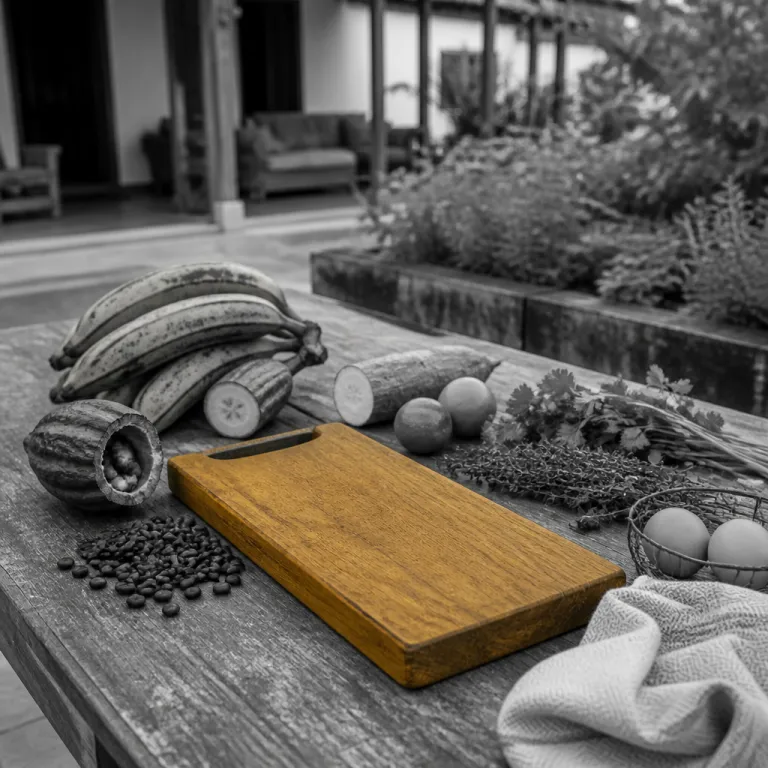
For a contemporary Dominican gourmet chef, the canvas is unusually rich. Local fishermen bring in reef fish at dawn, organic farmers deliver herbs and greens from the interior, and cacao growers arrive with beans that already attract attention across Latin America. When a chef or team of chefs respects this Dominican terroir, even a simple fried rice reinterpretation with local crab or a plate of street-food-inspired snacks built around plantain and rum can become the most memorable dish of the trip.
Chef residencies and pop ups: from Cap Cana to Santo Domingo
The clearest signal of change comes from chef residencies that treat hotels as culinary stages. At Eden Roc Cap Cana, the Delicious Journey series has welcomed guest chefs such as Chef Alberto Marcolongo, whose 2023 residency (documented in the resort’s own program notes for spring and summer 2023) turned the property into a temporary laboratory for Dominican ingredients filtered through European technique. Sample menus from that period listed dishes such as cacao-braised short rib with plantain gnocchi and Caribbean reef fish with a rum and citrus beurre blanc, illustrating how visiting chefs reinterpret local produce.
These residencies are not all equally accessible. Some chef collaboration dinners are fully bookable for hotel guests and outside visitors, while others are reserved for private events or invitation-only villa parties hosted by owners who rent their villas to loyal clients. When you plan a special occasion stay in Cap Cana or Punta Cana, ask the hotel concierge whether the chef will be running open restaurant nights, or whether the culinary team is focused on closed-door dinners for larger groups in private villas.
Santo Domingo is building its own narrative, with La Residence positioning itself as a reference point for French-inspired tasting menus that use Dominican ingredients. Here, the urban fine dining chef profile is more cerebral, closer to what you might expect in San Juan or Cartagena, yet still grounded in food Dominican traditions like plantain, cacao and rum. A typical menu, according to recent tasting descriptions shared by the restaurant, might include cacao-cured local fish, a rum-lacquered pork dish paired with single-origin Dominican coffee, and a dessert of caramelized plantain with spiced cacao crumble. If you are using a travel guide or corporate booking tool, look for properties that highlight chef residencies and named restaurants in Santo Domingo, not just generic hotel dining descriptions.
Farm to table programs and the rise of terroir driven menus
Beyond the white tablecloth restaurant, the most interesting movement is happening in fields and gardens. Hotels across the Dominican Republic are investing in on-site organic gardens, partnerships with local farms and long-term relationships with producers who can support a serious fine dining menu. One reference definition still holds true for this shift, as summarized in many hospitality training manuals: “What is farm-to-table dining? It involves sourcing ingredients directly from local farms to ensure freshness and support local agriculture.”
In Samaná, projects like Conuco Criollo host chef residencies and farm to table dinners where chefs cook Dominican food just metres from where the herbs and vegetables grow. According to recent program descriptions and sample menus shared with guests, visiting cooks typically design multi-course menus priced in the US$60–90 range per person, including pairings, with lineups that might feature grilled octopus with yuca purée, garden herb salads and cacao-infused desserts. At Sublime Samana, Executive Chef Patricio Mardones has introduced a new Caribbean gastronomy that treats local seafood, cacao and tropical fruit with the same respect a Dominican-born fine dining chef in Europe might give to truffles or aged cheeses. For guests, this means that a simple lunch can shift from buffet repetition to a composed dish that tells a story about soil, altitude and coastal currents.
On the resort side, properties such as Secrets Macao Beach have integrated restaurants directly into organic gardens, allowing chefs to adjust the menu daily according to what is ready to harvest. When you book a villa or suite there, ask whether a private chef can prepare a garden-driven dinner for your group, or whether the restaurant offers a chef’s table experience for larger groups who want to understand the farm to table process. These programs are not marketing decoration; they are changing how people eat, how chefs cook and how hotels define luxury service.
Independent restaurants and the Santo Domingo dining scene
Step outside the resort gates and the story becomes more layered. Santo Domingo’s independent restaurants now form a dining scene that can credibly be compared with San Juan or Cartagena, especially for travelers who value a mix of street food energy and polished dining rooms. In neighborhoods beyond the postcard views, a new generation of Dominican high-end chef profiles is emerging, often after training in Europe or North America and returning home to reinterpret local flavors.
In Santo Domingo, you can move in one evening from a colmado where food Dominican classics like chicharrón and tostones are served with cold beer, to a restaurant where an executive chef plates cacao-cured fish or rum-glazed pork with the precision of a tasting menu. The best restaurants here do not abandon Dominican food; they refine it, using local coffee, cacao and plantain in ways that feel both familiar and quietly radical. For business travelers extending a stay, this mix of restaurants and street food stalls offers a way to understand the city beyond the boardroom.
Compared with resort zones such as Punta Cana or Cap Cana, Santo Domingo’s restaurants are less about all-inclusive abundance and more about narrative. A chef will often come to the table to explain a dish, or to suggest a private tasting for people planning a special occasion in the city. One recent guest, quoted in a hotel’s post-stay survey, described a ten-course menu as “a walk through the island, from the mountains to the Malecón,” with courses moving from smoked mountain cheese to seared coastal fish. If you want to find perfect options for both formal dinners and casual nights, use a travel guide that maps independent restaurants by neighborhood, and ask hotels in Santo Domingo to recommend chefs who can arrange private chef services in nearby villas or rented apartments.
Resort dining revolution: substance or refined marketing
For all the talk of transformation, many travelers still wonder whether the resort dining revolution is more than a new brochure vocabulary. Some properties have genuinely restructured their kitchens around a named culinary director, farm to table sourcing and a clear gastronomic identity. Others have simply added the words “local” and “gourmet” to menus while keeping the same anonymous cook teams and predictable buffets for larger groups.
One way to read the difference is to look at staffing and programming. When a resort like Moon Palace relocates hundreds of chefs and opens nearly twenty dining venues, as outlined in the brand’s own expansion announcements for its Caribbean properties, it signals a serious investment in food and service, not just a cosmetic menu refresh. In these environments, an executive chef usually oversees multiple restaurants, a dedicated private chef team handles villa requests, and the hotel can arrange everything from a simple fried rice comfort dish to a multi-course tasting menu for a special occasion without breaking stride.
Another indicator is how the property talks about Dominican ingredients. Serious programs highlight cacao, coffee, plantain and rum as pillars of the menu, and they often partner with local farms or projects like Conuco Criollo to secure consistent supply. When you evaluate options in Punta Cana or Cap Cana, read beyond the headline and ask whether the chef will be on property during your dates, whether the restaurants rotate seasonal menus, and whether private dining in villas is handled by the same chefs who run the main restaurant or by a separate catering-style team.
How to book hotels for serious food: practical guidance
For travelers using mydominicanstay.com or a corporate platform, the goal is to translate this culinary shift into smarter hotel choices. Start by deciding whether you want your Dominican gourmet dining experience to be resort based, city based or split between Santo Domingo and the coastal zones. Then look for properties where the chef, restaurants and farm to table partnerships are clearly named, not hidden behind generic “international dining” language.
In Punta Cana, high-end resorts now compete to host the best restaurants and chef-led concepts, from tasting menus to relaxed beach grills. If you are planning a villa stay, ask whether you can rent a private chef for the duration, and whether that chef will have access to the same ingredients and support as the main restaurant chefs. For an example of how a master chef brand shapes a resort plate, study the detailed review of Passion by Martín Berasategui, which explains what seven Michelin stars mean on a Punta Cana plate and notes that the restaurant has operated at Paradisus Palma Real for more than a decade, with sample tasting menus featuring dishes such as foie gras with tropical fruit and slow-cooked local fish.
Travelers interested in emerging smart city style developments can look at projects such as Resort Larimar in Punta Cana, which position themselves as elegant escapes where food, design and technology intersect in a single stay. When you book through a platform that curates villas and hotels, use filters and notes to flag properties with strong restaurant programs, responsive service and clear options for private dining. A good travel guide or advisor will help you find perfect combinations of villas, restaurants and chefs so that every dish, from elevated street food bites to refined Dominican food tasting menus, feels aligned with the way you want to experience the island.
FAQ
How can I tell if a hotel really offers farm to table dining
Look for specific references to named farms, gardens and producers rather than vague mentions of “fresh” or “local” food. Serious programs describe which ingredients come from on-site gardens or partner farms, and how often the menu changes with the seasons. You can also email the hotel to ask which dishes on the menu are directly sourced from local farms and whether chefs host any farm to table events during your stay.
Which hotels in the Dominican Republic offer chef residencies
Several luxury properties now host rotating chefs for limited-time residencies. Eden Roc Cap Cana has become a reference point with its Delicious Journey series, while projects like Conuco Criollo welcome chefs for immersive farm-based stays and dinners. When planning your trip, ask hotels whether any guest chef programs or special menus are scheduled for your travel dates.
How does farm to table dining change the hotel experience
Farm to table dining usually means fresher ingredients, more seasonal menus and a closer connection between the kitchen and the surrounding landscape. Guests often notice that vegetables taste brighter, seafood feels more precise and even simple dishes carry more character. This approach also supports local agriculture, which many travelers value as part of a responsible luxury stay.
Is Santo Domingo a good base for serious restaurant focused travel
Santo Domingo works very well for travelers who want independent restaurants, street food and chef-driven dining in one compact urban area. You can spend days moving between casual spots serving classic food Dominican dishes and refined dining rooms led by ambitious chefs. Many visitors now pair a few nights in Santo Domingo with a resort stay in Punta Cana or Cap Cana to balance city energy with coastal relaxation.
Should I book private chef services for a villa stay
Booking a private chef for a villa stay makes sense if you value tailored menus, flexible timing and restaurant-level food without leaving the property. It is especially useful for larger groups or a special occasion, when coordinating restaurant reservations can be complicated. When arranging this service, ask whether the chef is part of the hotel’s main culinary team and whether they can access the same quality of ingredients used in the signature restaurants.