Hotel guide dominican: how architecture shapes your stay before check in
In any serious Dominican hotel guide travelers use, architecture quietly sets expectations. Before you taste a welcome drink, the first line of coral stone or sweep of concrete already tells you what kind of stay the Dominican property intends to deliver. For couples choosing a luxury beach resort in the Dominican Republic, reading the building is as important as reading the wine list.
Think of each hotel as a manifesto about place, from the way it frames the beach to how it handles shade, breeze and sound. A low slung resort in Punta Cana that opens directly to the sand signals barefoot ease, while the new vertical hotels in the same area promise energy, views and a more urban rhythm. The best properties understand that design is not decoration but choreography for how you move, sleep and stay together.
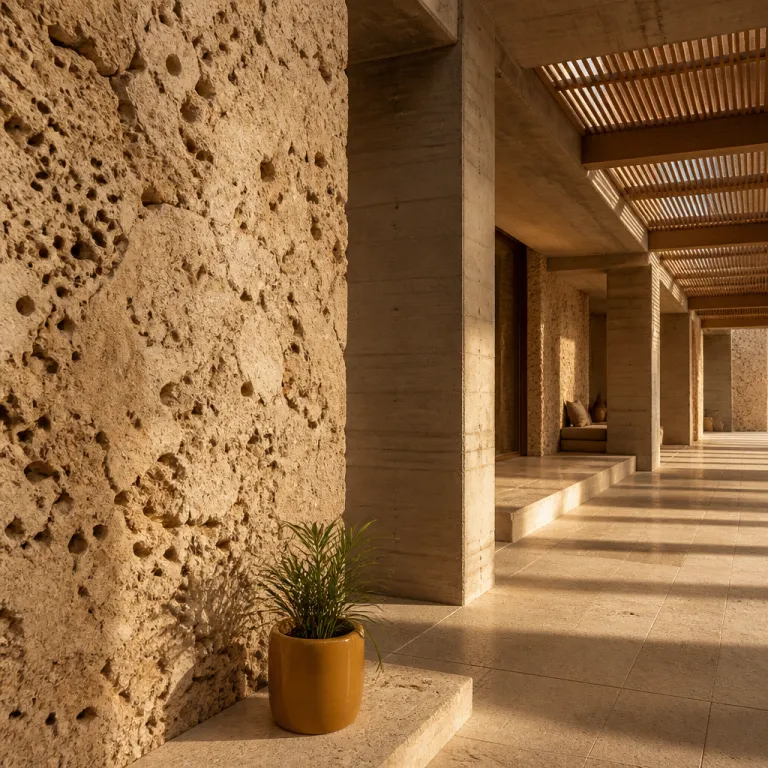
On mydominicanstay.com, our hotel guide to the Dominican Republic treats architecture as a primary filter, not an afterthought. We look at how a resort uses coral stone, Dominican mahogany, cana palm and poured concrete to express ambition and respect for natural beauty. When you compare hotels and resorts in Punta Cana, Cap Cana or Las Terrenas through this lens, the Dominican Republic suddenly feels like a living architecture gallery rather than a row of interchangeable complexes.
Colonial restoration in santo domingo: sleeping inside the city’s architecture museum
In Santo Domingo’s Zona Colonial, a refined Dominican hotel guide readers trust must start with restoration. Here, the best hotels are not built from scratch; they are carved gently out of 16th century stone, where every courtyard and archway carries the weight of the first Spanish city in the Americas. Staying in this area means your Dominican Republic escape begins on cobblestones rather than on a highway slip road.
Billini Hotel, opened in 2014 after a decade-long restoration of a former convent, is a case study in how to balance heritage and contemporary luxury in a dense urban resort setting. Original coral stone walls and vaulted ceilings remain, but glass, steel and clean lined furniture create a dialogue between past and present that design conscious couples appreciate. You feel the hotel’s history in the staircases, yet the rooftop pool and bar look straight toward a modern Santo Domingo skyline.
Casas del XVI goes further, turning a cluster of restored townhouses into one of the most intimate hotels and resorts in the capital, with only a few dozen rooms spread across several casas. Each house has its own character, from shaded courtyards to small plunge pools, and the architecture encourages a slower stay that suits romantic trips. Nearby, Hodelpa Nicolás de Ovando, which occupies buildings dating back to the early 1500s, uses long cloisters and river facing terraces to frame the Ozama, proving that in Santo Domingo the best hotel experiences come from buildings that already knew how to handle heat, breeze and light centuries ago.
For couples who split time between city and coast, this architectural immersion in Santo Domingo pairs well with a design focused stay at refined golf suites in Punta Cana. You move from coral stone corridors to contemporary suites overlooking fairways, yet the Dominican sense of place remains strong. In both areas, the architecture quietly edits noise, directs views and sets the emotional temperature of your stay.
Caribbean modernism on the coast: when buildings frame the landscape
Leave Santo Domingo and the conversation in any hotel guide to Dominican beach resorts shifts toward the coast. Along the beaches of Punta Cana, Cap Cana and beyond, the question becomes simple: does the resort shout over the landscape or does it frame it? Architecture here decides whether you feel part of the Dominican Republic’s natural beauty or sealed inside an air conditioned bubble.
Amanera, set above Playa Grande on the north coast and opened in 2015 with just over 40 casitas and villas, is the clearest expression of Caribbean modernism in the country. Low pavilions in poured concrete and glass hover above the beach, using long rooflines and deep overhangs to shade terraces while keeping the horizon line uninterrupted. The architecture almost disappears, so your memory of the stay is the curve of the bay, the sound of waves and the green of the surrounding hills rather than a lobby chandelier.
In Las Terrenas, Saman Resort takes a different but equally thoughtful path, building three storeys around existing trees and contours. The use of local materials and open walkways means you always feel the breeze, and the resort reads as part of the village rather than a gated compound. This kind of design is why our Dominican hotel guide perspective often steers couples toward Las Terrenas when they want both a great beach and a sense of community.
Farther west, along the unscripted coastline of the southwest, new properties are experimenting with raw concrete, stone and timber in ways that echo Barahona’s cliffs and coves. If you are curious about how luxury meets wilderness in the Dominican Republic, our deep dive on the Dominican southwest shows how architecture there is moving away from copy paste Caribbean resorts. The through line from Amanera to these smaller projects is clear: the best hotels now treat the beach as a partner, not a backdrop.
Vertical resorts, open air lobbies and what materials really signal
The new wave of hotels in Punta Cana and Cap Cana is rewriting what a Dominican resort looks like from the highway. Moon Palace, with its two eighteen storey towers linked by a monumental clubhouse and more than a thousand rooms, represents the vertical resort as a Caribbean statement. For couples used to low rise beach hotels, this scale can feel surprising, yet it offers panoramic views and a more urban social energy.
In a serious Dominican hotel guide travelers rely on, height is only one part of the story; materials and public spaces matter more. Open air lobbies, now common across the Dominican Republic, are not just aesthetic gestures but climate tools that can noticeably lower perceived temperatures through cross ventilation. When you step into a lobby where the ceiling soars, the breeze moves freely and the sound of the beach carries inside, you are reading a design that prioritizes comfort without overreliance on air conditioning.
Material choices are equally revealing, and they are rarely accidental in the best hotels. Coral stone on façades and pool decks signals a connection to local geology and offers natural cooling underfoot, while Dominican mahogany in guest rooms speaks to craftsmanship and warmth. Poured concrete, used with precision in places like Amanera or newer Cap Cana projects, communicates modernity and durability, especially when softened by cana palm thatch, linen and tropical planting.
As one architectural review of Dominican resorts published in 2022 notes with clarity, “Why do Dominican hotels use coral stone? To reflect local heritage and provide natural cooling. What does concrete signify in hotel design? Modernity, durability, and minimalist aesthetics. Why are open air lobbies common in Dominican hotels? To enhance natural ventilation and connect with the environment.” When you walk into a bay hotel in Boca Chica or a new inclusive resort in Punta Cana, these cues help you understand whether the property is chasing trends or building a long term identity. Reading these signals turns every arrival into a quick, informed design audit.
From punta cana to cabarete and las terrenas: architecture as a map for couples
For couples planning a first trip, a hotel guide dominican in scope can feel overwhelming because the country’s coasts are so different. Punta Cana and Cap Cana offer long, manicured beaches, large scale resorts and a polished version of Dominican hospitality that suits travelers who want everything within a short walk. Cabarete, Las Terrenas and smaller beach towns trade some of that polish for character, surf culture and a closer relationship with local life.
In Punta Cana, many of the best hotels are inclusive resorts where architecture organizes vast programs of pools, restaurants and entertainment. Look for properties where buildings step back from the beach, allowing dunes and palms to remain the main event rather than a row of concrete walls. In Cap Cana, developments like Sanctuary Cap Cana and Eden Roc at Cap Cana use stone, timber and water features to create a sense of seclusion, proving that even large scale hotels and resorts can feel intimate when the master plan respects the coastline.
On the north coast, Cabarete’s smaller hotels and guesthouses often sit closer to the street, with open façades that blur the line between lobby and town. This layout suits a stay built around kitesurfing, beach bars and long walks rather than formal dining. In Las Terrenas, low rise resorts and villas weave between palms and village lanes, so you wake to the sound of motorbikes and roosters as much as waves, a reminder that the Dominican Republic’s natural beauty includes human rhythms too.
Choosing between these areas becomes easier when you read architecture as a lifestyle indicator. Towering concrete in Punta Cana suggests elevators, sky bars and structured days, while cana palm roofs and coral stone paths in Las Terrenas hint at barefoot evenings and spontaneous beach dinners. A thoughtful Dominican hotel guide couples can trust will always match these built environments to your travel personality rather than chasing a single idea of the best beach.
Reading iconic dominican resorts: from casa de campo to cayo levantado
Certain names appear in every hotel guide dominican travelers consult, and they earn that status through architecture as much as service. Casa de Campo in La Romana is one of them, a vast resort that opened in the 1970s where villas, golf courses and the replica village of Altos de Chavón create a complete Dominican Republic microcosm. Here, stone, terracotta and timber echo Mediterranean villages, yet the layout along the Chavón River and the Caribbean Sea roots the experience firmly in local geography.
Altos de Chavón itself, perched above the river and inaugurated in 1982, is a theatrical piece of architecture that still shapes how guests move through Casa de Campo. Cobblestone streets, plazas and an amphitheater invite evening strolls, concerts and long dinners, turning the resort into more than a beach destination. For couples, this means your stay can shift from golf mornings to cultural nights without ever leaving the property.
In the east, Tortuga Bay at Punta Cana Resort and Club offers a different reading of Dominican luxury. Low rise villas designed by Oscar de la Renta with clean lines and pale palettes sit close to the beach, and the architecture recedes so that palm trees and turquoise water dominate every view. The message is clear: this is a place for quiet, high end stays where privacy matters more than spectacle.
Across the bay, Sanctuary Cap Cana and Eden Roc at Cap Cana interpret the same coastline through different architectural languages, from fortress like stone walls to contemporary suites with private pools. Offshore, Cayo Levantado in Samaná Bay shows how a small island resort can use pathways, vegetation and low structures to keep the beach feeling wild despite a full service operation. When you learn to read these choices, a Dominican hotel guide in focus becomes a tool for decoding which iconic property aligns with your idea of romance, whether that means golf carts and plazas or hammocks and jungle paths.
Beyond the beach: architecture, landscape and the future of dominican luxury
While most couples open a hotel guide dominican edition looking for beaches, the country’s most interesting architectural stories now unfold away from the sand. Mountain lodges near Jarabacoa, eco focused retreats in the southwest and design forward stays in inland towns are expanding what Dominican Republic luxury can mean. These properties use steep roofs, stone fireplaces and generous verandas to frame rivers and pine forests instead of palm lined shores.
If you are curious about how architecture translates to cooler climates and different landscapes, our feature on mountain getaways in Jarabacoa shows how open air living adapts beyond the beach. Here, cana palm gives way to shingles, yet the same principles of cross ventilation, shaded outdoor rooms and careful orientation still apply. The result is a kind of Dominican luxury where you trade sea breezes for river mist and star filled skies.
Looking ahead, architects, builders and hotel owners across the Dominican Republic are increasingly blending traditional materials with modern design. Coral stone and Dominican mahogany remain central, but they now sit alongside exposed concrete, steel and glass in ways that feel less like imitation Mediterranean resorts and more like a confident Caribbean modernism. For couples using a hotel guide dominican resource such as mydominicanstay.com, this shift means more options where architecture, landscape and culture align instead of competing.
Whether you choose a bay hotel in Boca Chica, an inclusive resort in Punta Cana, a design led hideaway near Cabarete or a mountain lodge inland, the same rule applies. Read the materials, the height, the way the lobby breathes and the path from your room to the beach or river. Those details tell you, long before check in, whether the hotel understands the Dominican Republic as a backdrop or as the main character in your stay.
Key figures that shape dominican hotel architecture
- Industry surveys from the Asociación de Hoteles y Turismo de la República Dominicana (ASONAHORES), including reports published between 2019 and 2023, suggest that a majority of higher end hotels now use coral stone in façades, pool decks or public spaces, reflecting both heritage and practical cooling needs.
- Research on tropical resort design, including studies published in regional architectural journals such as Arquitectura y Urbanismo Caribe in the last decade, indicates that well designed open air lobbies in Caribbean hotels can reduce perceived temperatures compared with fully enclosed, air conditioned spaces by improving cross ventilation and shading.
- In major coastal areas such as Punta Cana and Cap Cana, a growing share of new resorts combine poured concrete structures with local stone and timber, signaling a move away from imported Mediterranean styles toward a distinct Caribbean modernism documented in recent planning and investment reports.
- Urban heritage properties in Santo Domingo’s Zona Colonial typically retain a substantial portion of their original structural walls during restoration, preserving the city’s role as an open air architecture museum for guests and supporting conservation goals set out in municipal heritage guidelines.
FAQ about reading dominican hotels through architecture
How can I quickly read a dominican hotel’s architecture when I arrive?
Start with the lobby, because it sets the tone for the entire stay. Notice whether it is open air or sealed, how it handles breeze and light, and which materials dominate floors and walls. Then look at the path from lobby to beach or pool; if it feels intuitive, shaded and connected to the landscape, the architecture is working in your favor.
Why do so many dominican resorts use coral stone?
Coral stone is a local material that performs well in heat, staying relatively cool underfoot and aging gracefully in salty air. Its color palette also blends naturally with sand and limestone cliffs, which helps large resorts sit more gently in the landscape. When you see extensive coral stone in a hotel, it usually signals both respect for local geology and a long term investment in durable finishes.
What does poured concrete say about a hotel in the dominican republic?
Poured concrete allows architects to create clean lines, cantilevers and large spans, which suit contemporary Caribbean modernism. In properties like Amanera or newer Cap Cana resorts, exposed concrete paired with timber and greenery communicates confidence, durability and a minimalist aesthetic. If the concrete is well detailed and softened by natural materials, it often indicates a design led approach rather than cost cutting.
Are open air lobbies less luxurious than air conditioned ones?
Not at all; in the Dominican Republic’s climate, open air lobbies are often a luxury feature when they are well designed. They allow you to feel breeze, hear the ocean and smell tropical vegetation from the moment you arrive, which deepens the sense of place. High quality open air spaces usually combine generous shading, ceiling fans and thoughtful orientation to keep you comfortable without isolating you from the environment.
How should couples use architecture when choosing between different beach areas?
Think about the lifestyle each built environment supports rather than just the beach itself. Vertical towers in Punta Cana suggest elevators, sky bars and a more urban social scene, while low rise resorts in Las Terrenas or Cabarete point to walkable villages and spontaneous evenings. Matching these architectural cues to your travel style will help you choose a Dominican stay that feels naturally aligned with how you like to spend time together.