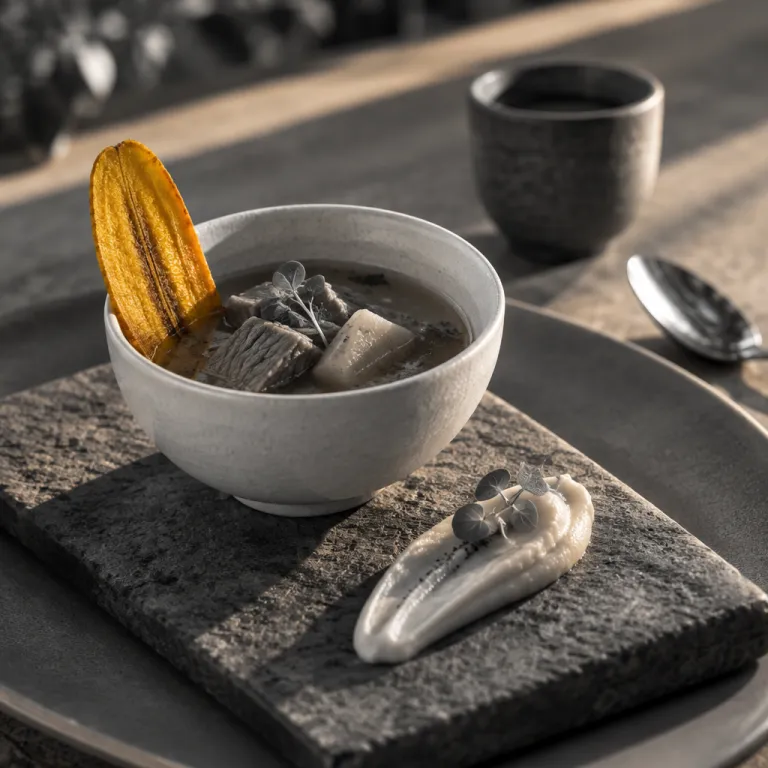
From imported tropes to dominican heritage cuisine hotels
Luxury travelers used to land in the Dominican Republic and meet the same lobster thermidor and generic carpaccio on every fine dining menu. Today, a new generation of dominican heritage cuisine hotels is quietly replacing those imported tropes with sancocho, mangú and la bandera plated with the same precision once reserved for foie gras. This shift is changing how couples plan a trip, turning the hotel restaurant into a place to linger rather than a last resort before heading into town.
In Punta Cana and Cap Cana, high end resorts that once leaned on international buffets now build entire dining options around local food and Caribbean produce. You still find a classic steakhouse or Italian spot, yet the most interesting restaurants are the ones where a chef turns a humble plantain into a tasting menu centerpiece and treats cacao like a grand cru. For guests who care about where flavors come from, these dominican heritage cuisine hotels offer an unforgettable experience that feels rooted in the republic rather than floating above it.
This evolution is not about nostalgia alone ; it is about authority. When a hotel invests in staff dedicated to sourcing from nearby fincas and fishing villages, the service becomes a form of storytelling as much as hospitality. Couples who travel for taste can now choose a stay in Punta Cana, Santo Domingo or La Romana based on which property respects Dominican food traditions while still delivering a luxurious retreat with a beach pool, a serious wine list and quality service.
Chef residencies, farm to table and the new resort kitchen
The most interesting dominican heritage cuisine hotels treat their kitchens like creative studios rather than anonymous back of house spaces. In Cap Cana and Punta Cana, chef residencies bring in Caribbean and Latin American talent who work side by side with local cooks, trading techniques for sancocho broths, yucca textures and cacao desserts. For couples, this means a stay becomes a rolling culinary experience where the menu shifts subtly every day instead of repeating the same resort greatest hits.
Some Cap Cana resorts now run farm to table programs that start at sunrise, when guests can join the équipe on visits to nearby farms before returning to a private beach for a long lunch. You might taste tomatoes grown inland, grilled over coconut husk, or sample coffee from the central highlands brewed tableside as staff explain how republic dominican producers are reclaiming heritage varieties. These programs turn what could be a standard Caribbean beach day into a layered travel narrative that links land, people and plate.
If you are mapping a trip around food, study how each hotel describes its partnerships with growers, fishermen and cacao cooperatives, then compare that with its fine dining promises. Properties that genuinely prioritize dominican heritage cuisine hotels will talk about traceable ingredients and seasonal menus rather than only mentioning imported wagyu or caviar. For a deeper look at how architecture and gastronomy signal ambition in the luxury space, read this analysis of the Cap Cana culinary scene and its standout resort restaurants.
Rewriting sancocho, mangú and la bandera for the tasting menu
At the most thoughtful dominican heritage cuisine hotels, the question is not whether to serve sancocho, but how to respect its soul while refining its form. In Santo Domingo, luxury properties near the Zona Colonial use tasting menus to reinterpret la bandera, the classic plate of rice, beans and stewed meat, as a sequence of small courses that still feel like home cooking. Couples who book these stays are not chasing novelty for its own sake ; they want elevation without erasure.
One hotel might present mangú as a silky plantain purée topped with slow cooked goat and a crisp onion ash, while another uses a light sancocho broth as the base for a seafood course that tastes like the Caribbean in one spoonful. The best restaurants explain these choices at the table, with staff dedicated to walking guests through each reference so the experience becomes both fun and quietly educational. When you plan your trip, ask how the hotel handles these staples and whether the tasting menu changes with local harvests and fishing seasons.
Santo Domingo’s historic center adds another layer, where colonial architecture and cobbled streets frame modern plates that still speak dominican. A stay in a luxury hotel here can feel like a time capsule of the republic’s past, even as the kitchen sends out avant garde riffs on street food and home recipes. For couples who want to balance city energy with culinary depth, this two day guide to eating through Santo Domingo’s Zona Colonial pairs perfectly with a reservation at a property serious about dominican heritage cuisine hotels.
Cacao, coffee, rum and the rise of native luxury ingredients
Dominican heritage cuisine hotels are also rethinking what counts as a luxury ingredient. Instead of leaning only on imported truffles or champagne, chefs and bar teams are building menus around Dominican cacao, high grown coffee and small batch rum that speak directly to the island’s terroir. For couples who care about provenance, this shift turns every drink and dessert into a quiet masterclass in Caribbean flavor.
In Punta Cana and along the eastern coast, resorts with serious bar programs now offer rum flights that trace the history of the dominican republic in the glass, pairing aged expressions with single origin cacao bonbons. A hotel that once served anonymous espresso now highlights beans from specific regions, brewed in slow methods and paired with pastries that echo traditional food from the interior. These touches may seem small, yet they transform a simple coffee break into an unforgettable experience that anchors your stay in the republic dominican landscape.
Look for properties that integrate cacao and coffee beyond the dessert trolley, weaving them into savory courses, spa rituals and even fitness center smoothies for guests who want indulgence with balance. When staff are friendly welcoming and able to explain which cooperative produced your chocolate or which hillside your coffee grew on, you feel the staff dedicated to more than just efficient service. For a broader sense of how design and gastronomy work together in high end Dominican properties, explore this feature on how five hotel lobbies use architecture to signal ambition.
Planning a couple’s trip around dominican heritage cuisine hotels
For couples building a trip around the table, the first step is choosing which corner of the Caribbean coast fits your rhythm. Punta Cana and Cap Cana offer long beach days, a wide range of resorts and easy access to golf course experiences, while Santo Domingo delivers urban energy, colonial architecture and late night restaurants. Both can work beautifully if you prioritize dominican heritage cuisine hotels that treat food as the heart of the stay rather than a background amenity.
When comparing properties, read past the spa and beach pool photos and focus on how each hotel talks about its restaurants and dining options. Look for mentions of sancocho, mangú, la bandera, cacao, coffee and rum, and pay attention to whether the language suggests a genuine culinary program or just themed nights for quick fun. A luxurious retreat that invests in quality service, staff dedicated to storytelling and a sense of place will usually highlight its connection to local producers and Dominican traditions.
Think about how you want to spend your time as a couple, from slow mornings over coffee to long tasting menus that stretch late into the night. A hotel with a private beach and a serious kitchen can anchor a full week, while a shorter stay in Santo Domingo pairs well with a side trip to La Romana or Altos de Chavón for a different view of the republic. However you design your travel, dominican heritage cuisine hotels give you a frame where every meal, from poolside snacks to fine dining, feels like part of the same carefully drawn story.
FAQ
Are dominican heritage cuisine hotels suitable for guests who are new to local food ?
Yes, these hotels are ideal for guests who are curious but not yet familiar with Dominican food. Menus usually balance approachable dishes with more adventurous plates, and staff explain ingredients and traditions in clear, friendly language. You can ease in with refined versions of classics before trying full tasting menus built around sancocho, mangú or la bandera.
Which areas are best for couples seeking both beach and serious dining options ?
Punta Cana and Cap Cana work well for couples who want a private beach, a relaxed beach pool scene and access to multiple restaurants within one resort. Many properties here now feature chefs focused on Dominican heritage cuisine alongside international concepts. For more urban energy and independent restaurants within walking distance, Santo Domingo is the stronger choice.
How can I tell if a hotel really focuses on Dominican heritage cuisine and not just marketing ?
Read how the hotel describes its food program and look for specific references to local producers, seasonal ingredients and traditional dishes. Genuine dominican heritage cuisine hotels usually highlight partnerships with farms, cacao cooperatives and coffee growers, and they often offer chef led experiences or market visits. Generic language about “Caribbean flavors” without detail is a sign to ask more questions before you book.
Do luxury hotels in the Dominican Republic cater to dietary restrictions while serving heritage dishes ?
Most high end hotels in the Dominican Republic can adapt heritage recipes for common dietary needs such as vegetarian, gluten free or dairy free. When you reserve, share your requirements so the kitchen can plan alternatives that still reflect local flavors. Many chefs enjoy the creative challenge of reworking traditional plates while keeping their essence intact.
Is it worth choosing a hotel based on its cacao, coffee and rum programs ?
For couples who care about flavor and origin, choosing a hotel with strong cacao, coffee and rum programs can significantly enrich the stay. These properties turn everyday moments, from breakfast to nightcaps, into small tastings of Dominican terroir. If you value depth over volume in your all inclusive experience, this focus is often the detail that makes a trip memorable.