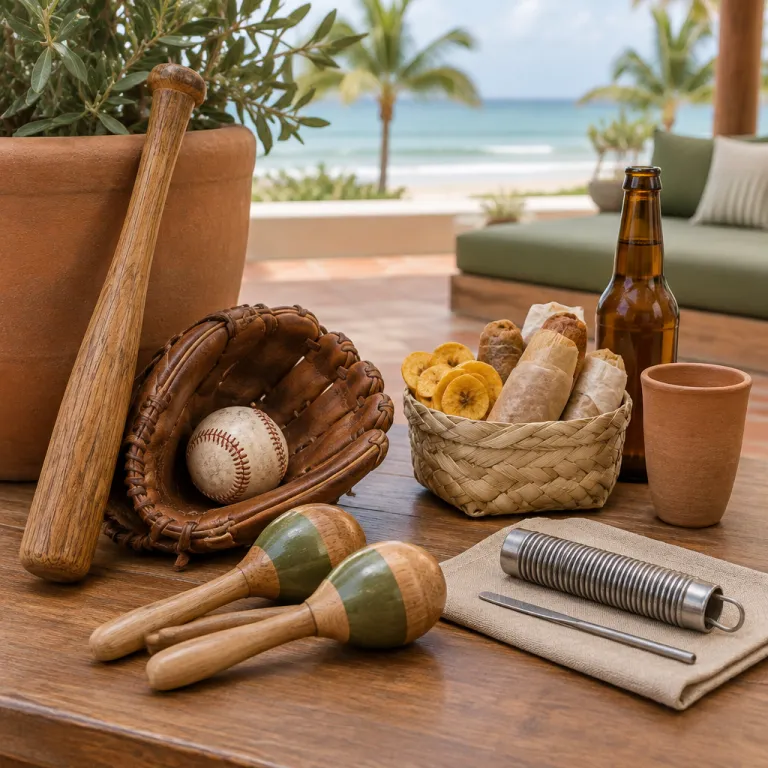
Dominican culture experiences luxury beyond the resort gates
Dominican culture experiences luxury when your hotel stay feels stitched into daily life. In the Dominican Republic, the most rewarding premium properties now frame every day around the rhythms of the barrio, not only the rhythm of the pool pump. This shift matters for travelers who want a perfect experience that balances comfort with genuine contact.
Across the Dominican Republic, high end hotels in Punta Cana, Santo Domingo and the Samaná Peninsula are rethinking what a Caribbean resort can be. Instead of isolating guests behind white sand and crystal clear pools, they curate small scale access to the colmado, the baseball diamond and the colonial city streets. For solo travelers planning a trip, this means your chosen resort can become a cultural concierge rather than just a place to sleep.
Think of dominican culture experiences luxury as a spectrum that runs from the colmado counter to a suite designed by Oscar de la Renta. On one end, you might join a walking tour through Santo Domingo’s Zona Colonial, a UNESCO heritage site that anchors the oldest continuously inhabited European founded colonial city in the Americas. On the other, you return to a room subtly designed by Oscar de la Renta, where the textiles echo the colors of Saona Island, Las Terrenas and the Samaná Peninsula’s beautiful waterfalls.
Baseball as national ritual, curated with discretion
Baseball in the Dominican Republic is not a pastime ; it is a national ritual. When dominican culture experiences luxury in this context, it means your hotel arranges access to the game without turning it into a staged tour. The best properties understand that a single day at a local stadium can shape your entire trip.
In Santo Domingo and smaller dominican towns, concierges now coordinate small group visits to winter league games or training academies. These experiences keep you close to the action while respecting players’ routines and the community’s pride in the sport. For independent travelers, this is where travel feels honest ; you sit in the stands with families from the republic, not in a cordoned off section built only for visitors.
Some luxury hotels in Punta Cana and along the Samaná Peninsula work with vetted guides who grew up playing in these leagues. They arrange a half day outing that might start with a walking tour of a neighborhood diamond, continue with a practice session and end with a colmado stop where merengue spills into the street. If you are tracing a wider cultural itinerary, pairing a baseball experience with a rum focused evening from a curated Dominican rum trail can turn a simple stay into a layered dominican culture experiences luxury journey.
Merengue, bachata and the colmado as your real lobby
Merengue and bachata live in the colmado long before they reach the resort bar. For travelers chasing dominican culture experiences luxury, the most interesting hotels now treat the corner store as an extension of the lobby. This is where you feel the Caribbean pulse, not just the curated soundtrack by the pool.
In Santo Domingo, especially near the colonial city, some high end properties offer guided evening strolls that end at a favorite colmado. You might start in a quiet courtyard, then follow your host through narrow streets until the music grows louder and the smell of fried empanadas takes over. The experience is simple but precise ; your safety is managed, your time is respected and your presence feels welcome rather than intrusive.
Along the coast from Punta Cana to Bávaro, a few resorts are experimenting with similar low key immersions. Instead of a themed show, they might arrange a small group visit to a neighborhood bar where a local trio plays live bachata for regulars finishing their day. One property on Bávaro’s shoreline, profiled as a case study of Dominican reimagined cultural luxury, shows how a large resort can still connect guests to the colmado without overwhelming it.
Zona Colonial and beyond: heritage as a living backdrop
Zona Colonial in Santo Domingo is where dominican culture experiences luxury through history layered onto daily life. The district’s cobbled streets, plazas and churches form a heritage site recognized as a UNESCO heritage treasure. Yet the real draw for discerning travelers is how colonial facades frame contemporary Dominican routines.
Premium hotels in and around the colonial city now specialize in intimate walking tours that avoid the megaphone circuit. A knowledgeable guide might lead you through a quiet cloister at dawn, then into a café where office workers from Santo Domingo start their day. This balance of context and spontaneity turns a standard tour into a textured experience that respects both the past and the present.
For travelers planning weddings or milestone trips, Zona Colonial also pairs well with more remote luxury. You might spend two nights in a restored mansion, then move to a Samaná Peninsula hideaway or a Punta Cana resort with access to Tortuga Bay and its white sand arc. If you are weighing a colonial courtyard against a cliffside terrace or even a set private island, the detailed guide to Dominican wedding venue decisions offers a useful framework for matching setting to celebration.
From Samaná to Saona: nature, design and quiet luxury
On the Samaná Peninsula, dominican culture experiences luxury through a slower, more elemental lens. Here, hotels lean into the drama of beautiful waterfalls, jungle ridges and the Atlantic meeting the Caribbean. The best stays feel stitched into the landscape, not simply placed on top of it.
In and around Las Terrenas, small high end properties often work with local guides to lead guests into nearby nature reserves. A typical day might include a hike to a cascade, a swim in crystal clear pools and a lunch in a family run comedor on the way back. This is where the republic’s rural culture surfaces ; you see how fishing, farming and tourism now intersect.
Further south, excursions to Saona Island or the protected coves near Tortuga Bay show another side of dominican culture experiences luxury. Many Punta Cana resorts now cap group sizes, schedule visits to avoid peak hours and partner with operators who actively protect marine life. When a property invests in this kind of stewardship, the white sand, the sea and the community all benefit over time.
How to choose hotels that curate culture, not just amenities
Choosing the right property is where dominican culture experiences luxury either comes alive or stays theoretical. Start by looking beyond the spa menu to see how a hotel engages with Santo Domingo, Punta Cana or Samaná outside its walls. The most interesting addresses treat the city, the beach and the neighborhood as shared spaces rather than backdrops.
Scan hotel descriptions for specific cultural programming rather than vague promises of “local flavor”. Does the concierge arrange a guided walking tour through the colonial city with capped numbers, or only sell large bus excursions. Are there partnerships with community projects, baseball academies or nature reserve initiatives that go deeper than a single photo opportunity.
Design can also signal intent, especially when a property has suites or public spaces subtly designed by Oscar de la Renta. When a hotel highlights that a wing was designed by Oscar de la Renta but also explains how it supports local artisans, you see a fuller picture of dominican culture experiences luxury. For solo travelers, this level of transparency helps you choose the best base for a trip that feels both indulgent and grounded in the everyday life of the Dominican Republic.
FAQ
How can I experience authentic baseball culture while staying in a luxury hotel
Look for hotels in Santo Domingo, Punta Cana or Samaná that partner with local guides or academies rather than only selling large commercial tours. A good concierge can arrange tickets to a league game, a visit to a training session or a neighborhood field walk, always in small groups and with respect for players and residents. This approach lets you experience baseball as part of daily dominican life, not as a staged attraction.
Are colmado visits safe for solo travelers staying in premium resorts
When organized through a reputable hotel, colmado visits are generally safe and rewarding for solo guests. Properties that take cultural immersion seriously will schedule outings at appropriate times, use trusted local hosts and keep group sizes small. You still feel the energy of merengue and bachata at street level, but with a clear plan for transport and return.
What makes Zona Colonial special for luxury travelers
Zona Colonial offers a rare mix of UNESCO recognized heritage and lived in Dominican neighborhoods. High end hotels here often occupy restored buildings, then layer in thoughtful services like private walking tours, courtyard breakfasts and access to contemporary galleries or bars. For travelers, this means you can enjoy comfort while staying inside the historic fabric of the city.
How do coastal luxury hotels balance beach relaxation with cultural immersion
Many coastal resorts in Punta Cana, Bávaro and the Samaná Peninsula now pair classic beach amenities with curated cultural experiences. They might offer small group visits to nearby towns, rum tastings led by local experts or guided excursions to Saona Island, Tortuga Bay or inland waterfalls. The goal is to keep the white sand and crystal clear water central, while still connecting you to the people and stories behind the landscape.
What should I look for when booking a hotel focused on cultural experiences
Prioritize hotels that clearly describe their relationships with local communities, guides and conservation projects. Check whether they offer specific activities such as heritage walking tours, baseball outings, colmado evenings or nature reserve visits with capped group sizes. Reviews that mention meaningful interactions with staff and residents are often the best indicator that dominican culture experiences luxury is more than a marketing phrase.
References
For further reliable information on the Dominican Republic, consult the official Dominican Republic Ministry of Tourism, UNESCO World Heritage Centre and Major League Baseball’s official resources on Dominican academies.