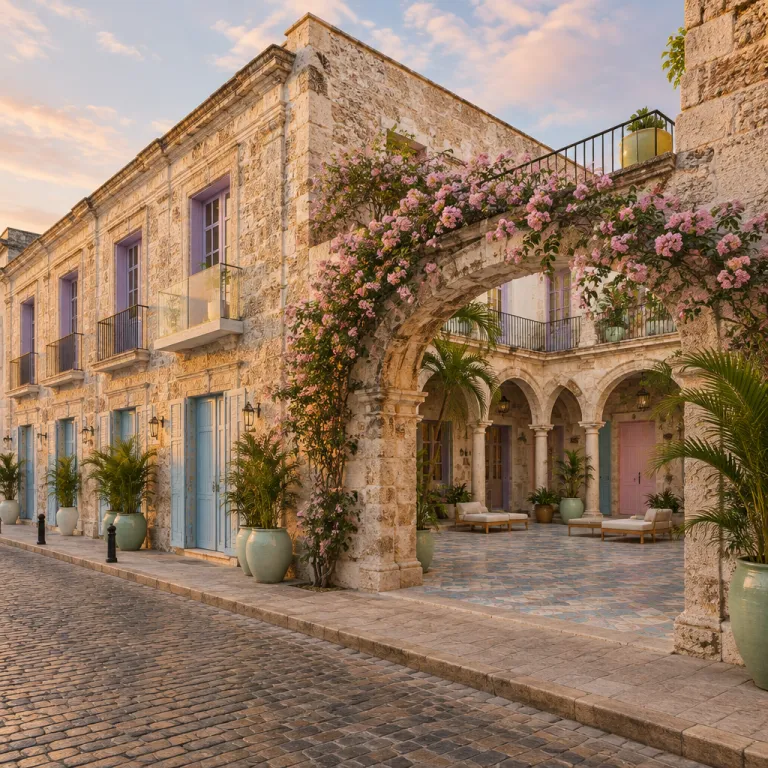
Why zona colonial heritage hotels design matters for your first night
Landing in Santo Domingo after a long flight, your first stay sets the rhythm of the entire trip. Choosing a hotel in the historic center means your rooms open directly onto stone lanes, plazas and church bells that frame the experience from the first evening. For many couples, that first room in the zona colonial becomes the reference point for every other stay in the Dominican Republic, whether they later head to Cap Cana, Samaná or the mountains.
The zona colonial is the oldest continuously inhabited European colonial city in the Americas, and its grid of streets still follows the original colonial zone plan laid out in the early 1500s. Recognized by UNESCO in 1990 as the “Ciudad Colonial de Santo Domingo” World Heritage Site, this compact colonial city uses coral stone walls, shaded courtyards and high ceilings to turn simple accommodations into atmospheric hotels that feel both intimate and cinematic. When you choose a heritage place to stay here, you are not only booking a room, you are buying into a specific view of Santo Domingo and of the wider Dominican Republic.
Most travelers rush straight to the coast, but a night or two in Santo Domingo’s zona colonial changes the whole stay. A carefully restored colonial santo mansion with a private courtyard pool, such as the 16th century Casas del XVI or the former convent that became Hodelpa Nicolás de Ovando after a major restoration in the early 2000s, lets you adjust to the Caribbean pace while staying close to excellent restaurants and galleries. As one recent guest put it, “our first night in the colonial city felt like stepping onto a film set, with church bells and quiet patios instead of resort loudspeakers.” For design literate visitors, thoughtful heritage hotel design in the Santo Domingo zona offers a quiet way to read the city before heading to beach resorts or remote eco stays.
Adaptive reuse in santo domingo: from convents to characterful hotels
Turning a 16th century structure into a contemporary hotel in Santo Domingo is both an engineering challenge and a cultural responsibility. Architects working in the zona colonial must respect strict heritage site regulations because the area forms part of a UNESCO World Heritage listing known as Ciudad Colonial de Santo Domingo, inscribed under criteria (ii) and (iv). Every new room, every private terrace and every pool must be threaded carefully through coral stone bones that predate the modern Dominican Republic by centuries.
Inside the colonial city, adaptive reuse projects usually start with structural surveys of load bearing coral stone walls, timber beams and high ceilings that were never designed for air conditioning or modern plumbing. Designers then carve out suites and guest rooms around existing courtyards, using open air circulation instead of heavy mechanical systems whenever possible to protect the historic fabric. The best heritage hotels in Santo Domingo hide modern comforts behind original doors and shutters, so guests feel the historic weight of the colonial zone without sacrificing a comfortable stay or reliable hot water.
Materials do most of the talking in these hotels, and coral stone is the primary language. Ironwork balconies, shaded arcades and interior patios create layered view lines from one room to another, turning compact accommodations in the zona colonial into a sequence of framed moments that connect interior and exterior. For a deeper dive into how materials signal intent in Dominican hotels, the analysis of what coral stone, concrete and open air lobbies actually signal is essential reading before you choose your place to stay in the Santo Domingo colonial zone.
How design signals what the room rate cannot in the colonial city
In Santo Domingo’s zona colonial, price tags rarely tell the full story of a stay. Two hotels might share a similar rate, yet one offers cramped rooms with low ceilings while another opens into generous suites with high ceilings, cross ventilation and a quiet private courtyard. The way a boutique hotel in the colonial zone handles light, circulation and privacy is where you read the difference long before you see the final bill or compare online reviews.
Look first at the arrival sequence, because the way you move from the colonial street into the lobby and then toward your room reveals the property’s priorities. A thoughtful hotel in the colonial city will use layered thresholds, from heavy timber doors to filtered courtyards, to shift you gently from Santo Domingo’s street noise into a calmer interior world. Properties that treat the lobby as a simple check in desk often miss the chance to signal their best offers in terms of service, privacy and atmosphere, while well designed spaces use art, seating and views to hint at the quality of the suites.
Guest rooms in the zona colonial should feel anchored to place, not interchangeable with any city hotel in the wider Dominican Republic. Original stone walls, restored tile floors and carefully framed views of a heritage site or church tower tell you that the design team understood the colonial santo context and the expectations of travelers who choose to stay in the historic center. For a sharper lens on how Dominican hotels use architecture to communicate value, the piece on how five Dominican properties use architecture to signal what the room rate cannot offers a useful checklist before you choose where to stay in Santo Domingo’s colonial zone.
Materials, courtyards and high ceilings: the quiet luxuries of zona colonial
In the zona colonial, luxury rarely shouts; it whispers through materials and proportions that respond to the Caribbean climate. Coral stone walls keep rooms naturally cool, while high ceilings allow hot air to rise and cross breezes to move through shuttered windows facing the colonial city streets or interior patios. When you stay in these hotels, you feel the climate managed by design rather than by aggressive air conditioning, and the result is a calmer, more sustainable experience.
Courtyards are the real living rooms of Santo Domingo’s heritage hotels, and they shape the entire experience of your stay. Morning coffee under an orange tree, a late swim in a private plunge pool, or a quiet drink with a view of a bell tower all happen in these open air spaces that link rooms and public areas. Good boutique hotels in the zona colonial use courtyards to connect suites, circulation routes and small lounges, so every movement between your room and the city feels intentional and every view reinforces your sense of location.
Ironwork balconies and shaded galleries along the upper floors create layered accommodations, where each room has a slightly different view of the colonial zone and of daily life in Santo Domingo. Some suites look toward a church facade, others toward a tiled roofscape or a hidden garden, but all remain anchored in the historic city rather than in a generic resort language. When you choose the best place to stay in this part of the Dominican Republic, pay attention to how coral stone, timber, iron and vegetation work together to frame your stay rather than relying on superficial boutique styling or a long list of amenities.
Who zona colonial heritage hotels suit, and how to choose yours
Heritage hotels in Santo Domingo’s zona colonial suit independent travelers who care as much about atmosphere as about amenities. Couples who enjoy walking through historic streets at night, stopping at a colmado for a cold drink before returning to a quiet room, will feel at home here. If you prefer large pools, entertainment programs and all inclusive offers, another part of the Dominican Republic may serve you better, because the colonial city focuses more on intimate scale and walkable streets than on resort style infrastructure.
When you choose your hotel in the colonial zone, start with location rather than decor. A central location near Parque Colón or Plaza de España means you can walk to most sights, while a slightly more residential street offers a calmer stay with fewer late night bars outside your room. Check maps carefully to understand how far your chosen place to stay sits from the main Santo Domingo dining clusters and from the seafront Malecón, and read recent guest comments to see how they describe noise levels and the feel of the surrounding streets.
Room categories matter more than in many modern hotels, because each suite or room in a colonial santo building can differ dramatically. Some rooms open directly onto a courtyard with a private terrace, others tuck under timber beams with no direct exterior view, and a few top floor suites offer long views across the colonial city toward the Caribbean and the Ozama River. If you are planning a multi stop itinerary, pairing a heritage stay in Santo Domingo with a coastal property known for strong architecture, such as those highlighted in this guide to the Cap Cana culinary scene and rooms that punch above resort weight, creates a balanced Dominican Republic experience that combines culture, food and beach time.
FAQ
Why start a Dominican Republic trip in Santo Domingo’s zona colonial rather than at the beach ?
Beginning your stay in Santo Domingo’s zona colonial gives you immediate contact with the country’s history, food and street life before you retreat to quieter coastal resorts. The colonial city is compact, walkable and filled with heritage site landmarks, so even a short stay offers context for everything you will see later. For design focused travelers, staying in a boutique hotel in the zona colonial also sets a higher bar for atmosphere than many large resort hotels and helps you understand how architecture shapes the Dominican experience.
What should I look for when choosing a heritage hotel in the colonial zone ?
Prioritize location within the zona colonial, paying attention to how close the hotel sits to main squares, restaurants and late night bars. Study room descriptions carefully, because suites in historic buildings can vary widely in size, natural light and view, even within the same property. Finally, look for clear information about how the hotel has integrated modern comforts into the colonial santo structure without compromising original features, and check whether interior rooms or courtyard facing suites are recommended for quieter nights.
Are heritage hotels in Santo Domingo suitable for light sleepers ?
Many colonial city streets stay lively late into the night, so light sleepers should request interior rooms facing courtyards rather than the main street. Properties that invest in good glazing and thoughtful room placement usually mention this in their descriptions or guest reviews, and some boutique hotels now highlight “quiet room” categories. If silence is a priority, choose a hotel on a quieter side street of the zona colonial and avoid rooms directly above bars or restaurants, even if the location seems ideal for nightlife.
How many nights should I plan to stay in the zona colonial ?
Two nights in Santo Domingo’s zona colonial usually allow enough time to explore key UNESCO heritage landmarks, enjoy several restaurants and settle into the rhythm of the city. Design enthusiasts or food focused travelers often extend their stay to three nights to experience more of the neighborhood’s hotels and bars, including rooftop terraces with views over the colonial zone. After that, many couples continue to coastal areas or mountain regions, carrying the memory of their colonial city stay as a reference point for the rest of their Dominican Republic itinerary.
Do heritage hotels in Santo Domingo work well with multi destination itineraries ?
Yes, heritage hotels in the zona colonial pair naturally with coastal resorts, eco lodges or mountain retreats elsewhere in the Dominican Republic. Many travelers fly into Santo Domingo, spend one or two nights in the colonial city, then continue by road to beach destinations such as Cap Cana or Samaná, or inland to Jarabacoa. This sequence lets you experience both the cultural depth of Santo Domingo and the natural landscapes of the wider country without rushing either stay, and it turns your first night in the colonial zone into a meaningful introduction rather than a simple stopover.